Most people see Frankenstein’s monster as just a scary creature. But what if he’s actually an allegory for disability, showing how society’s attitudes shape suffering more than his appearance? By looking at the stigmatization of disabilities through his story, you’ll see how the social model of disability reveals the true barriers faced by many. This perspective challenges us to rethink inclusion beyond physical differences and examine the impact of societal structures on disability. Learn more about this perspective by reading this paper – Monstrosity and Disability in Mary Shelleys Frankenstein.
Understanding Stigmatization of Disabilities
Frankenstein’s monster is more than a figure of terror. The monster’s story mirrors the journey of many with disabilities. They often face fear and misunderstanding before kindness or acceptance. In Mary Shelley’s tale, society’s response shapes the monster’s life far more than his creator’s hand.
Think of the monster meeting villagers; their rejection is quick and harsh. This reaction is common even today for those who appear different. Prejudices arise from lack of understanding. But what if society looked beyond the surface? The creature’s tale invites us to explore deeper, we must question our initial judgments. Acceptance begins with awareness.
The Social Model of Disability
The social model of disability shifts the focus from the individual to the environment. Disabilities aren’t just about physical limits, they’re about barriers society creates. For the monster, his struggle isn’t just his form. It’s the world’s refusal to accept him. Research supports this model. It’s not about fixing the person. It’s about creating spaces where all can thrive. The monster’s tale urges us to rethink how we build our world. By doing so, we can break down barriers and embrace diversity.
Societal Attitudes Toward Disability
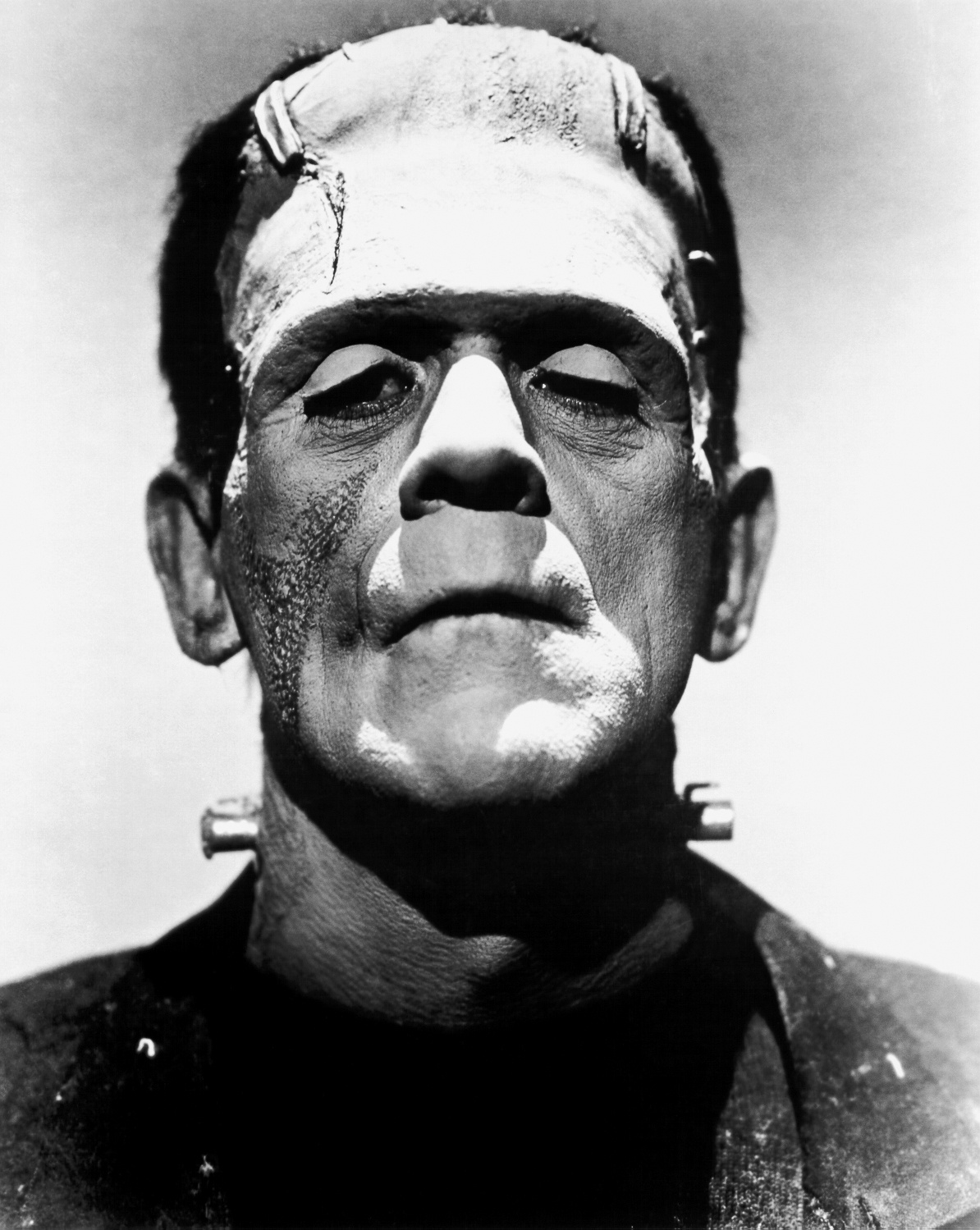
Consider the monster’s first encounter with humans. Their fear is instant, leading to exclusion. This reaction isn’t unique to fiction. Consider the story of a young person using a wheelchair; they might face stares or pity, but little understanding. The monster’s tale reflects this reality. Attitudes stem from ignorance, which means that education and empathy can change this narrative. By teaching acceptance, we can transform fear into friendship. Learn more about societal attitudes in Disability Studies Quarterly.
The Impact of Societal Structures
Societal structures dictate acceptance or isolation. For the monster, each door is closed before he even knocks. This reflects the impact of societal structures on disability. It’s not just about personal bias, it’s about the systems we build.
Think of accessibility in public places. Without ramps or elevators, some are excluded before they even begin. The monster encounters this form of rejection constantly. His story teaches us to question these barriers. Are we building inclusive environments? Or are we reinforcing division? By addressing these structures, we foster a world where everyone belongs.
Moving Beyond Physical Form
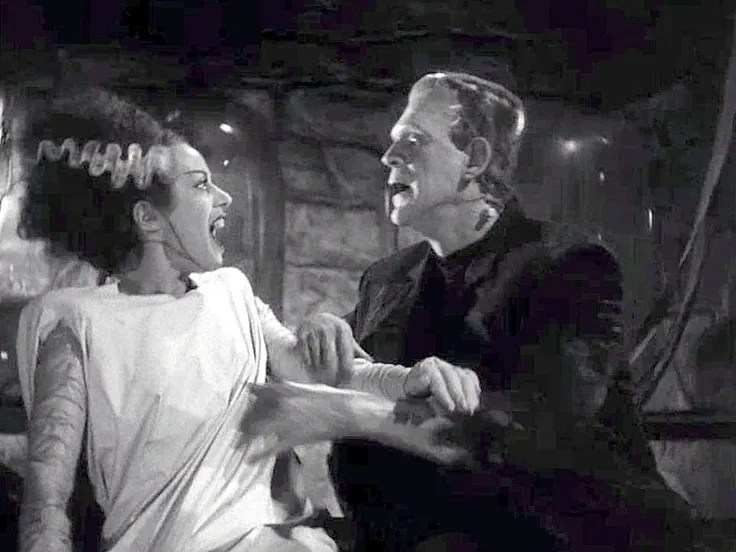
The monster’s story urges us to look beyond physical form. His suffering is not from his body, but from society’s gaze. Many face this same challenge, it’s time to shift our focus. Physical differences should not define worth.
Consider those with invisible disabilities. They often encounter skepticism and accusations (how many videos online have you seen where someone is confronted for using a car parking space that someone else demands proof that they are entitled to use). The monster’s tale reminds us that appearances deceive and truer understanding comes from seeing the whole person.
Recognizing Disability Identity
Finally, we must honor disability identity. The monster’s journey is one of self-discovery. He learns to define himself beyond others’ judgments. People with disabilities deserve this autonomy too. Their identity is rich and varied, not a single story.
Consider how we recognize this identity. It’s about listening and learning. We must support spaces where voices are heard and valued. By acknowledging this identity, we enrich our communities. The monster’s story calls us to celebrate diversity fully. It’s a challenge and an opportunity. Let’s seize it.


 Katie Marie Robinson-Sherlock
I’d love to hear what you think, please comment below.