
Changeling folklore reveals more than old fairy tales, it exposes deep fears about children who don’t fit society’s mold. These stories often reflect societal anxiety around children with disabilities and differences, showing how those fears shaped harsh attitudes. By exploring these myths, you’ll see how cultural perceptions of difference have long influenced the treatment of vulnerable children. This glimpse into history invites us to rethink compassion for differences in today’s world. Read more about changeling stories and their connections to autism on mapping ignorance.org.
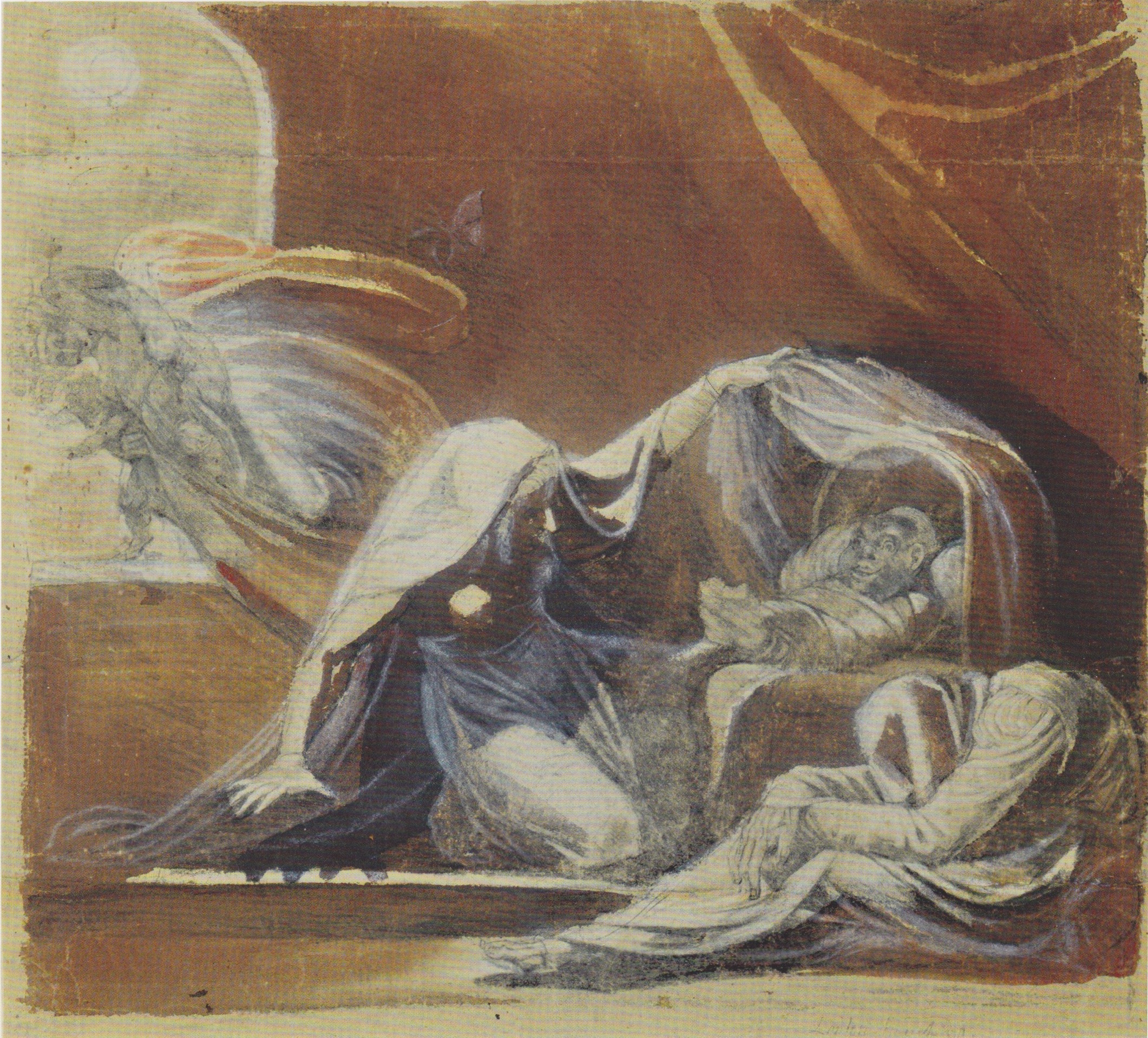
Origins and Evolution
The lore of changelings stretches back through time, showing how fears and beliefs have shaped these tales. But where did this idea begin? In medieval Europe, tales of fairies swapping human children with their own were common. People believed these exchanges happened due to a variety of reasons, often linked to the supernatural. These stories evolved as they passed through generations, each era adding layers reflecting their cultural contexts. The belief in changelings was particularly strong in rural areas, where unexplained phenomena were often attributed to otherworldly beings. Understanding the origins of these myths helps us see how ancient societies made sense of the unknown. They used these tales to explain things they couldn’t grasp, like developmental differences in children. Explore further insights on changeling myths in “Intellectual disability and the myth of the changeling myth”..
Imagine the terror of believing your child could be taken and replaced by a fairy. For parents in the past, this fear was very real. The idea of a healthy child suddenly behaving differently led to these stories. Parents would explain changes in their child’s behavior or appearance as the work of mischievous fairies. The fear of losing a child to such creatures was profound and pervasive. In these tales, changelings were often depicted as sickly or strange, which reflected the community’s inability to understand disabilities or illnesses. This lack of understanding fueled fear and sometimes led to tragic consequences. Stories of desperate parents trying to “cure” their changeling highlight the darker side of these beliefs. Discover more about the link between changelings and autism from the Autistic Women and Nonbinary Network.
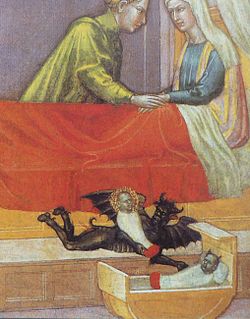
Disability Stigma in Folklore
Changelings were often used as a metaphor for children with disabilities. These stories reflect how society viewed disability as something unnatural or frightening. The stigma surrounding disabilities was deeply ingrained, and folklore reinforced these biases. In a time when medical knowledge was limited, any deviation from the norm was met with suspicion and fear. These stories offer a glimpse into how disabilities were misunderstood and stigmatized. By labeling a child as a changeling, communities distanced themselves from the discomfort of difference. This stigma had lasting effects, influencing how people with disabilities were treated and perceived.
The fear of being different is a powerful theme in changeling tales. These stories reveal a societal obsession with normalcy and the lengths people would go to maintain it. Communities feared that which they couldn’t explain, leading to harsh attitudes towards those who deviated from the norm. The changeling myth served as a cautionary tale, warning parents of the dangers of not fitting in. This fear of difference extended beyond folklore, affecting real-life attitudes towards those who were seen as outsiders. By exploring these stories, we can better understand the historical roots of this anxiety and its impact on society.
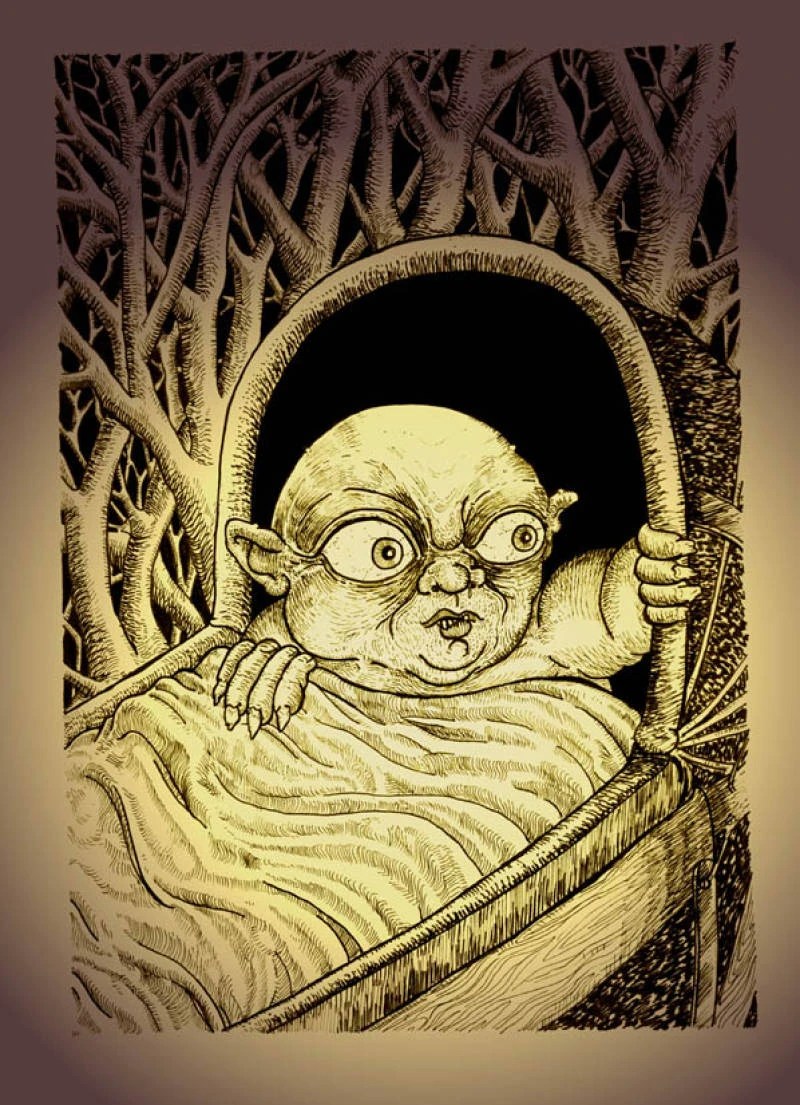
Cultural Perceptions of Difference
Our understanding of difference has evolved, yet the echoes of changeling fears remain. Recognizing how culture shapes perceptions is key to fostering acceptance. While we no longer believe in fairy-swapped children, the underlying fears of difference persist. These stories remind us that fear often stems from misunderstanding. By examining the cultural roots of these myths, we can challenge lingering biases and promote a more inclusive society. Embracing differences enriches our communities and allows us to move beyond outdated fears.
The changeling narrative offers a powerful lesson in advocacy and acceptance. Every child deserves to be valued, regardless of their abilities. By understanding the past, we can advocate for a future where all children are accepted and loved for who they are. Fostering an environment of compassion starts with acknowledging our shared history of misunderstanding. Moving forward, we can use these stories as a catalyst for change, ensuring that fear no longer dictates how we treat those who are different. Embracing all children, just as they are, transforms our world into one filled with empathy and kindness.
In conclusion, changeling folklore provides valuable insights into societal fears and biases. By understanding these tales, we can work towards a future where compassion and acceptance take center stage.


I’d love to hear what you think, please comment below.