Forget what you think you know about horror in The Fly 1986. This isn’t just a monster story, it’s a raw look at physical degeneration and mental disfigurement that taps into deep fears about disability and change. If you’ve ever felt uneasy watching Cronenberg films, it’s because they challenge how we see the body and mind breaking down. Let’s unpack how fear of transformation shapes disability representation in horror. Discover more about body disintegration in cinema.
Cronenberg’s films often focus on the fragility of the human form and identity. He takes audiences on a journey where horror is not just about monsters, but about the fear of what’s inside us.
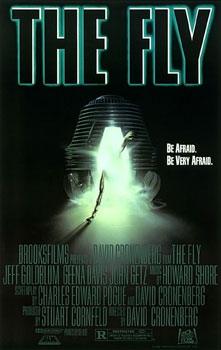
The Fly 1986: A Cinematic Analysis
In The Fly 1986, the story isn’t just about a scientist turning into an insect. It’s a mirror reflecting our dread of losing control. Imagine waking up to find your body changing, and there’s nothing you can do. This film shows how terrifying it is to watch oneself become something unrecognisable. The transformation is slow, pulling you into a nightmare where physical degeneration becomes the real antagonist. Unlike other films, it doesn’t rely on jump scares. Instead, it builds tension by showing the gradual loss of humanity. This slow burn keeps viewers on edge, wondering how far it will go.
Physical Degeneration as Metaphor
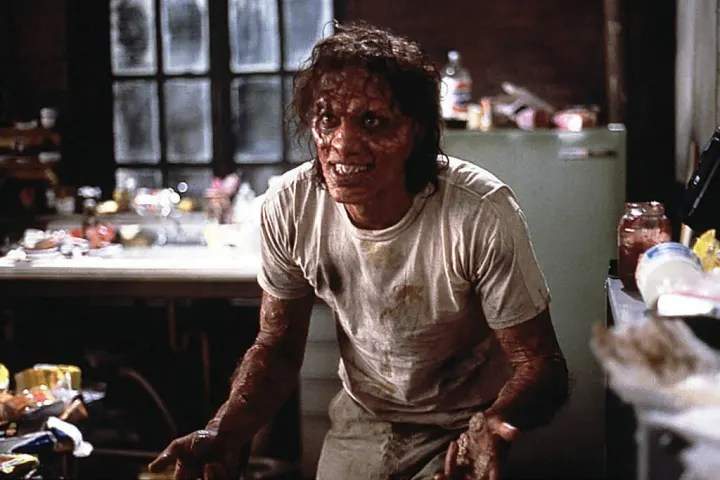
Physical changes in The Fly serve as a metaphor for illness and aging. You watch as the protagonist’s body betrays him, much like real-world diseases do. This portrayal is not just about fear but also about empathy. Seeing the character struggle connects us to anyone who has faced similar challenges. It makes you think about your own vulnerabilities. In this story, the physical degeneration reflects deeper fears, pushing us to confront them.
Mental Disfigurement and Identity
As the body changes, so does the mind. The Fly explores how physical transformation impacts identity. When you can’t recognise yourself, it can lead to a mental breakdown. This film shows that disfiguring changes are not just skin deep; they affect who you are. Watching the protagonist’s mind unravel is as gripping as his body’s transformation. It raises questions about what truly defines us. Is it our body, our mind, or something else entirely?
Fear of Transformation and the Unknown
Fear of transformation is a common theme in Cronenberg’s films. It’s not just the fear of becoming something else, but the fear of the unknown. What happens when you change? Will you still be you? These questions haunt the characters and the audience alike. In The Fly, this fear is palpable. The fear of transformation is not just about physical change; it’s about losing oneself to the unknown.
Horror and Disability: A Complex Relationship
Horror and disability are intertwined in Cronenberg’s work. His films show how society often fears what it doesn’t understand. By portraying disability through a horror lens, he highlights societal stigmas and challenges the audience to face them. This relationship is complex, as it evokes both empathy and fear. The horror genre can be a powerful tool for exploring these themes, making us question our own biases and fears.
Portraying Vulnerability and Strength
Cronenberg’s films show that vulnerability and strength often coexist. Characters facing disfigurement or disability are not just victims; they are resilient, fighting to maintain their sense of self. This portrayal encourages us to see strength in vulnerability. In The Fly, the protagonist’s battle against his transformation is a testament to human resilience. It reminds us that even in the face of overwhelming change, there is a strength in fighting to hold on to who we are.

Emotional Reactions and Reflections
Watching The Fly elicits a strong emotional response. It taps into deep-seated fears and forces us to reflect on our own lives. How would we react if faced with such changes? This emotional journey can be unsettling, yet it is also enlightening. It reveals the power of horror to make us confront uncomfortable truths about ourselves and our world.
Psychological Insights and Interpretations
Cronenberg’s films offer rich material for psychological analysis. The Fly, in particular, provides insights into how we deal with change, fear, and identity. It challenges viewers to think about how these themes apply to their own lives. By exploring these psychological depths, the film goes beyond mere entertainment, offering a profound commentary on the human condition.
Challenging Perceptions and Stigmas
Ultimately, Cronenberg’s work challenges perceptions and stigmas around disability and transformation. By presenting these themes within a horror context, he forces us to confront our biases and fears. This confrontation can lead to greater understanding and empathy. It’s a reminder that what we fear often reflects our own insecurities and misconceptions.
In conclusion, Cronenberg’s films, especially The Fly, offer a unique blend of horror and social commentary. They invite us to look beyond the surface and challenge our views on disability and transformation. The longer you wait to delve into these themes, the more you miss out on understanding the true horror and beauty of the human experience.


 Katie Marie Robinson-Sherlock
I’d love to hear what you think, please comment below.