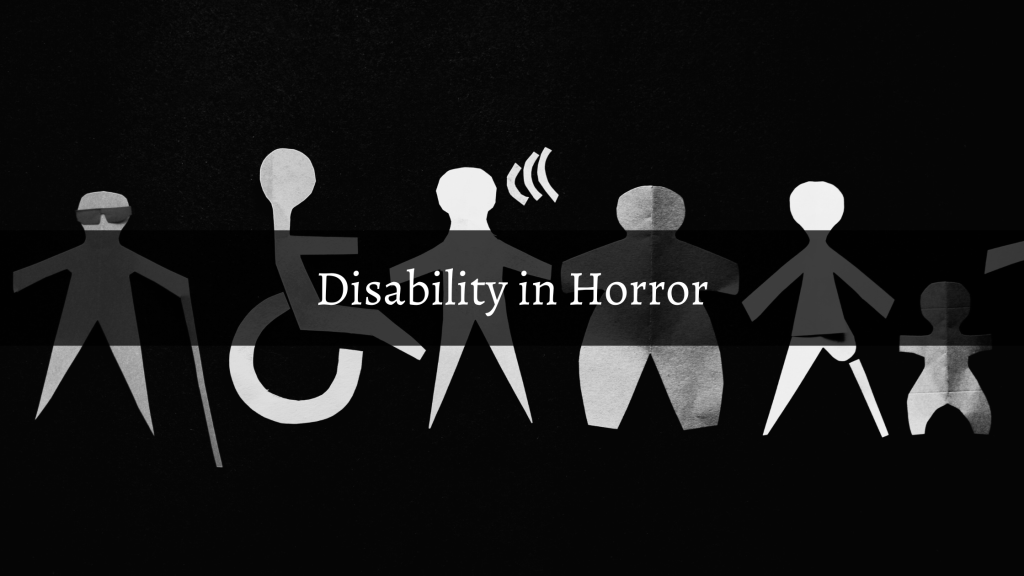
The idea that disfigurement signals moral corruption has shaped countless stories, but it’s a damaging shortcut that misses the full picture. When media ties a villain’s appearance to their character, it deepens stigma around visible difference and narrows how we see identity. By exploring disfigurement in media and its role in moral corruption portrayal, you’ll see why these portrayals need to change and how empathy in storytelling can lead the way.
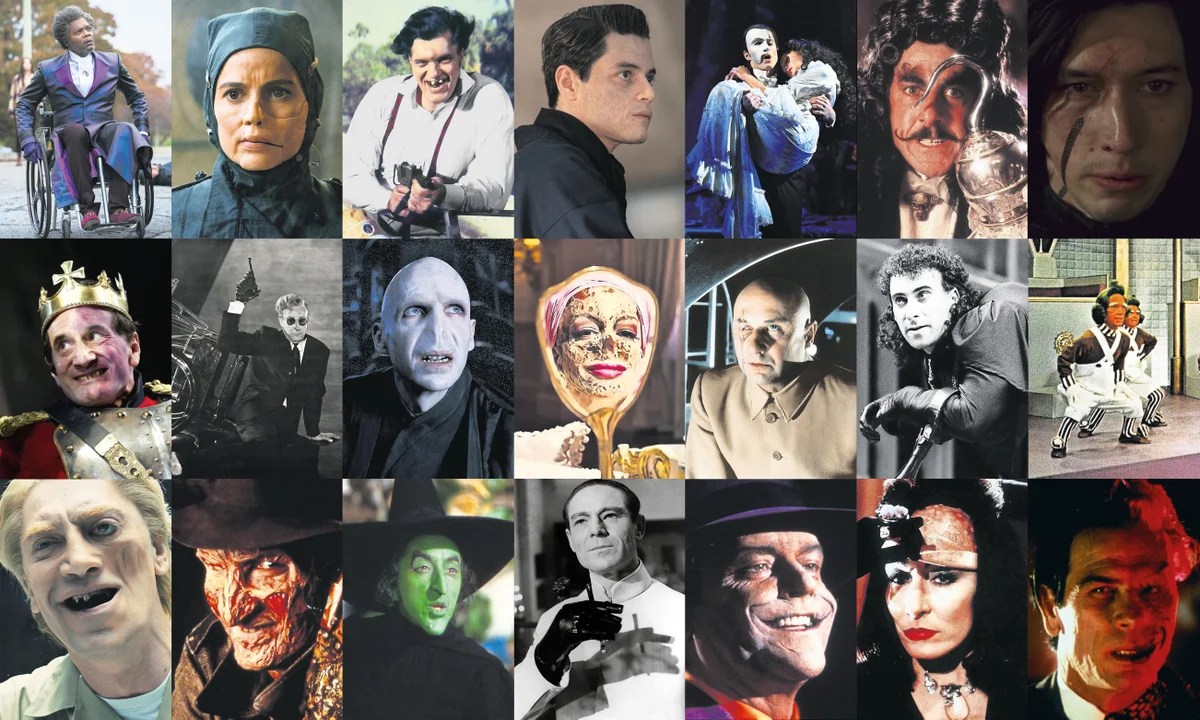
Historical Roots of Disfigurement in Media
Imagine a time when storytellers gathered around fires, weaving tales where the hero and villain were easily distinguished by their looks. These stories, passed down through generations, often depicted physical differences as warnings of a character’s intent. Scarred faces or unusual features were signals, leading audiences to expect malice or deceit.
In the Middle Ages, folklore thrived on such motifs. The witch with a wart or the sinister hunchback became stock characters. These early narratives planted the seeds for today’s stereotypes. By associating physical traits with moral corruption, these tales shaped our understanding of good and evil. Yet, these simplistic portrayals ignored the complexity of human nature.
Ask yourself, how would history have been different if storytellers embraced the full spectrum of human expression? By acknowledging these roots, we can begin to unravel the damage they’ve done.
Evolution of Moral Corruption Portrayal
As society evolved, so did storytelling. Would it surprise you to learn that literature and film continued the tradition of linking appearance with morality? Classic novels like “Frankenstein” and films like “The Phantom of the Opera” perpetuated these themes. Their mesmerizing narratives carried the weight of centuries-old stereotypes.
With the rise of cinema, visual cues became more powerful. Directors used makeup and special effects to craft memorable villains. The hooked nose, the twisted smile, these became shorthand for evil. Audiences learned to associate these traits with danger, reinforcing biases.
But here’s the twist: newer stories started questioning these portrayals. Authors and filmmakers began to see the potential for empathy in storytelling. Could a character’s journey be more than skin deep? This shift paved the way for a more nuanced understanding of morality.
Classic Examples of Villains
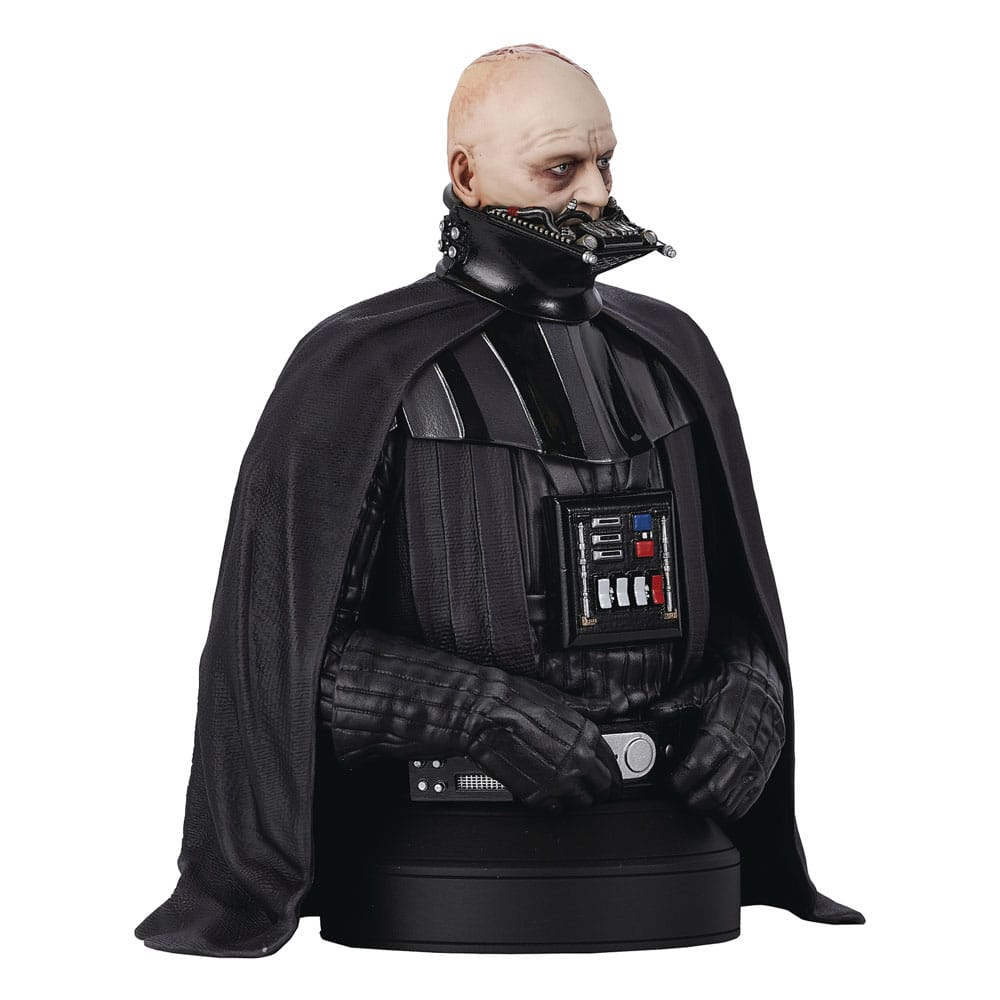
Think of the most iconic villains. Darth Vader, with his ominous mask, or Scar from “The Lion King,” with his menacing glare. These characters, with their distinct appearances, have left a lasting impact. But why does their visual identity resonate so strongly?
In traditional tales, these villains served as clear-cut foes. Their physical differences were exaggerated, creating a stark contrast with the heroes. This visual dichotomy made their villainy more believable, reinforcing stereotypes.
Yet, are these characters merely products of their appearances? Many of these villains boast intricate backstories that explain their motives. This complexity hints at a richer narrative, one that challenges the notion that looks define intent. Could it be that we’ve been misled by appearances all along?
Contemporary Representation and Stigma
In today’s media, the portrayal of disfigurement is evolving. Some creators are breaking free from old tropes, crafting characters who defy superficial judgments. Yet, the struggle against stigma persists.
Modern films and shows often face backlash for perpetuating harmful stereotypes. The scarred villain trope remains prevalent, reminding audiences of the biases of the past. These portrayals can deepen societal prejudices, affecting those with visible differences.
However, there’s a glimmer of hope. Some creators are using their platforms to promote empathy in storytelling. By focusing on character depth rather than appearance, they’re challenging viewers to rethink their assumptions. What if every scar told a story of strength, not malice?
Challenging Stereotypical Narratives
The time has come to rewrite the script. Storytellers hold the power to reshape perceptions by crafting narratives that celebrate diversity. But how can they achieve this?
- Focus on Complexity: Characters should be defined by their actions, not their looks. By highlighting their inner struggles, creators can foster empathy and connection.
- Diverse Perspectives: Inclusive storytelling requires diverse voices. Amplifying underrepresented perspectives can challenge stereotypes and enrich narratives.
- Authentic Representation: Realistic portrayals help dismantle harmful tropes. By showcasing characters with visible differences in everyday roles, media can normalize diversity.
By challenging the status quo, storytellers can pave the way for a more inclusive future. But change won’t happen overnight. What steps can you take to support this evolution?
Advocating for Complex Character Portrayals
Imagine a world where characters are celebrated for their richness, not judged by their looks. This vision is within reach if we embrace complexity in storytelling.
Creators are increasingly advocating for characters who break the mold. By crafting narratives that prioritize depth over appearance, they’re challenging audiences to look beyond the surface. This shift has the potential to dismantle long-standing stereotypes and promote empathy in storytelling.
Viewers play a crucial role, too. By supporting media that champions diversity, you can help drive change. The longer we cling to outdated notions, the more harm we perpetuate. The choice is yours: will you champion a new narrative?
In conclusion, the journey to dismantle harmful stereotypes is just beginning. By embracing empathy and understanding in storytelling, we can create a world where looks no longer dictate morality.


 Katie Marie Robinson-Sherlock
I’d love to hear what you think, please comment below.