
Jack Torrance’s fall into madness feels different depending on whether you read Stephen King’s “The Shining” or watch Kubrick’s film. You might wonder if Jack is a tragic figure crushed by fate or a monster hiding behind a fragile mind. This blog breaks down the shifts in his story, revealing how each version shapes our understanding of the nature of evil and the character’s descent into madness. Keep reading to see how these portrayals challenge what you thought you knew about Jack Torrance.
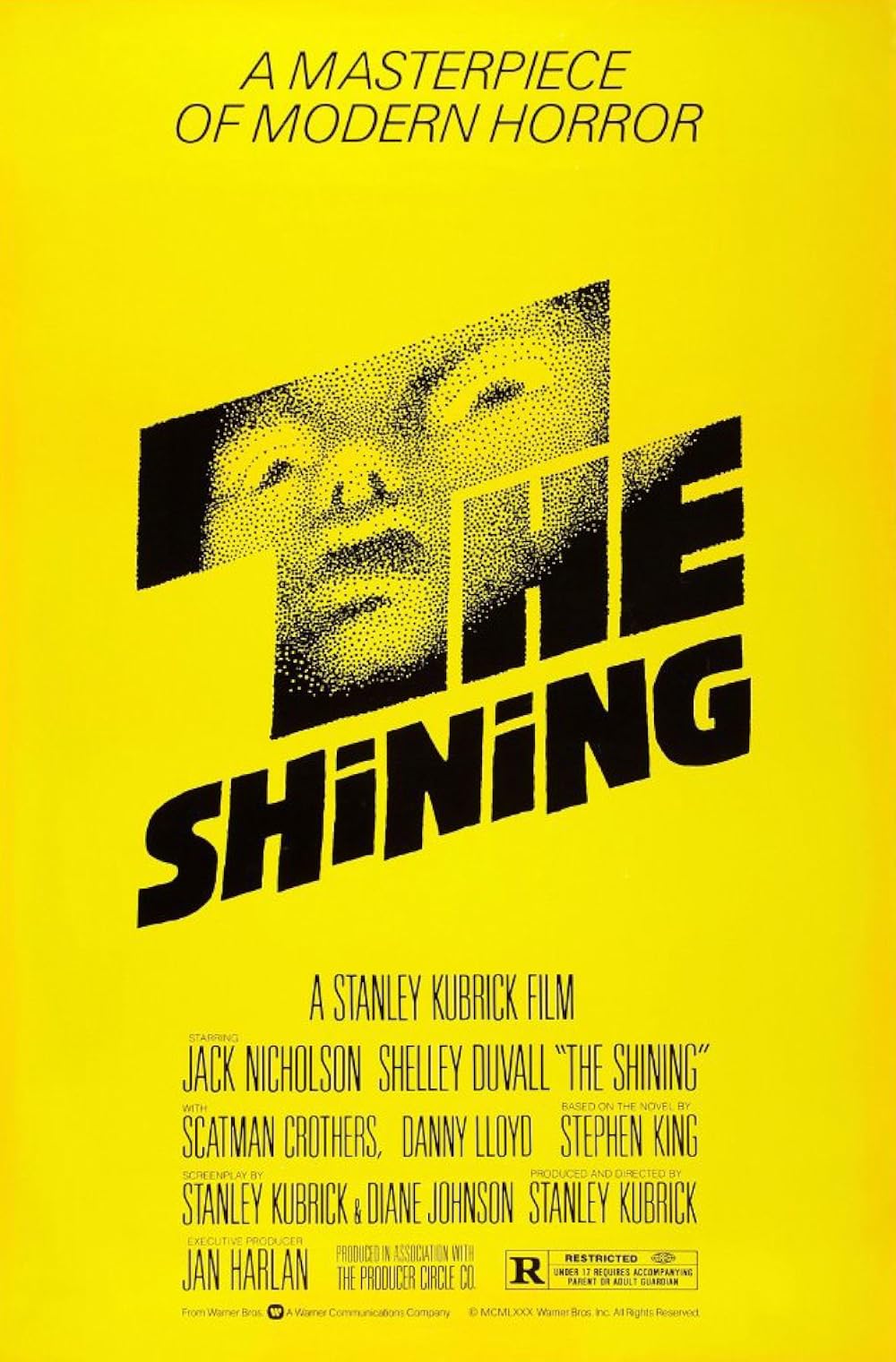
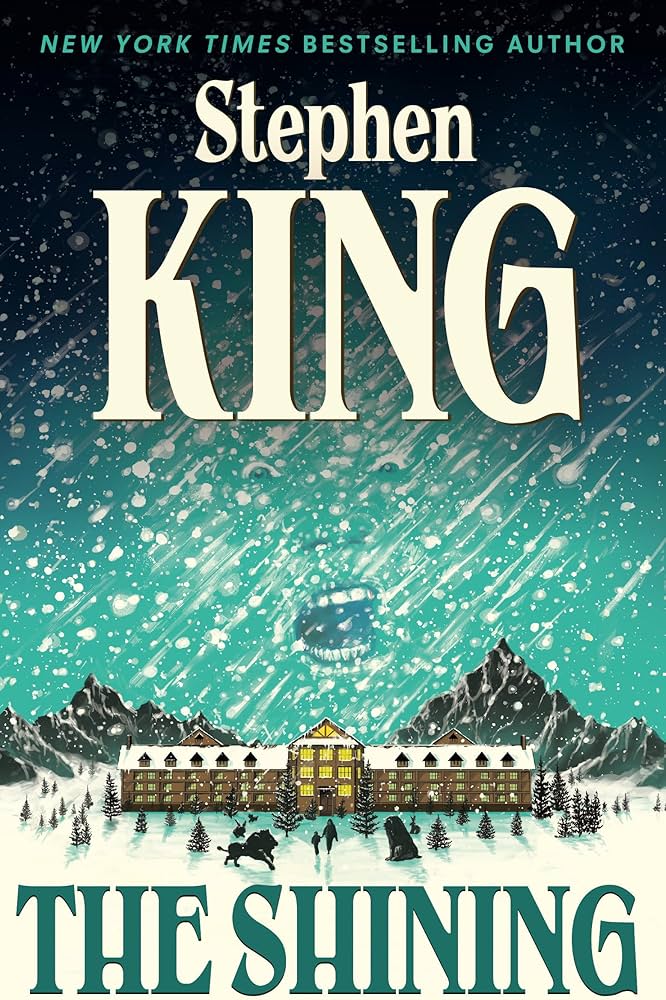
Character Descent into Madness
Jack’s path to madness is a gripping tale. In Stephen King’s novel, you witness Jack Torrance as a man struggling with personal demons. He’s battling alcoholism and past mistakes. This makes him relatable, maybe even sympathetic; he’s fighting against himself, hoping for redemption. But then, the Overlook Hotel takes hold. It preys on his weaknesses, driving him to madness. It’s like watching a car crash in slow motion. The hotel’s sinister influence turns Jack into a danger, both to himself and his family. His descent isn’t just about a man losing his mind; it’s about a place that feeds on it.
Nature of Evil Explored
As you dive deeper, the nature of evil becomes apparent. Is evil born from within, or does it come from outside forces? In King’s book, Jack’s inner struggles are intensified by the Overlook. The hotel becomes a character itself, embodying evil.
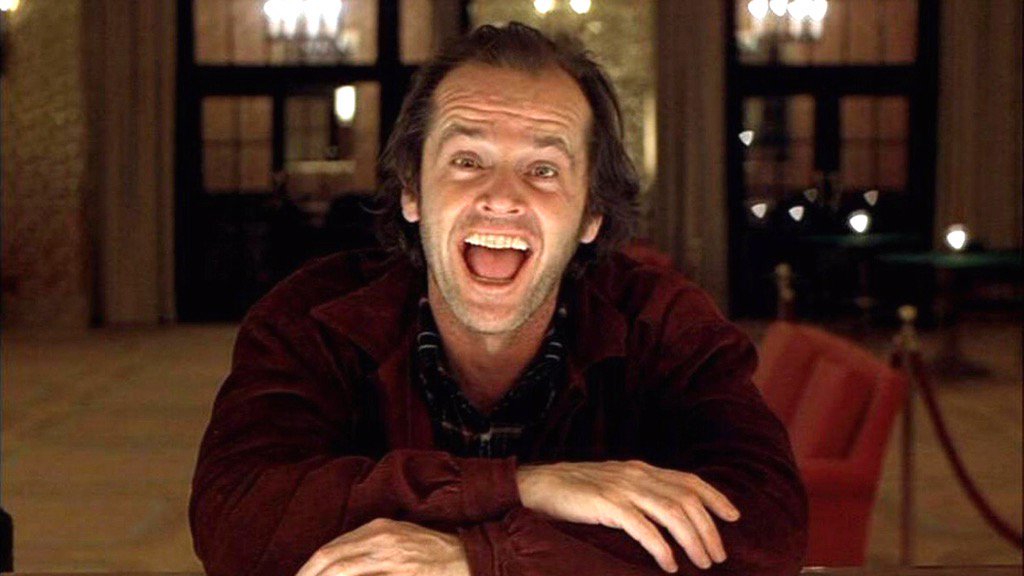
On the other hand, Kubrick’s film (and Nicholson’s awesome performance) presents Jack as more sinister from the start. His descent feels inevitable, almost like he’s always been on this path. This challenges the idea of whether Jack was ever truly good. It suggests that perhaps evil was always lurking beneath the surface, waiting for the right moment to emerge.
The Shining Analysis
King presents a detailed psychological portrait. His Jack is a man haunted by his past, seeking to save himself. This makes the horror more personal, as you see Jack’s struggle against the hotel’s dark influence. His actions feel like a tragic spiral, one that many can understand.
Kubrick, however, offers a more chilling portrayal. The film starts with Jack already appearing unhinged. This changes the story’s impact. It feels like a predestined slide into madness, rather than a battle. This shift alters the tension, creating a different kind of horror.
Psychological Horror in Two Mediums
The novel and film each deliver their brand of psychological terror. King’s book is a slow burn, with tension building as Jack’s sanity unravels. You’re drawn into his mind, feeling his fears and desperation. This creates a horror that’s deeply unsettling.
Kubrick’s film, meanwhile, uses visuals and sound to create a hypnotic horror experience. The eerie music, the haunting imagery of the Overlook, and Jack’s manic performance combine to leave viewers on edge. It’s a sensory journey into madness that differs from the novel’s psychological depth.

Inner Demons in the Book
In King’s novel, Jack’s demons are laid bare. He’s haunted by his failures, his addiction, and his fear of becoming his father. These elements make him a tragic figure. You see a man trying to be better, yet failing. It’s a battle against oneself, with the hotel as a catalyst.
The book delves into Jack’s mind, revealing his vulnerabilities. This makes his transformation into a monster all the more heartbreaking. You’re left questioning whether Jack could have been saved, or if his fate was sealed by the hotel’s evil grip.
Film’s Portrayal of Madness
Kubrick’s film takes a different approach. Jack’s madness feels inevitable. From the opening scenes, there’s a sense of tension, as if something dark is lurking. The film strips away some of Jack’s humanity, making him more menacing.
This portrayal raises questions about the nature of evil. Is Jack simply a pawn of the hotel, or is he a monster in his own right? The film leaves you pondering, challenging the notion of what truly makes someone evil. By contrasting these portrayals, you see how each shapes the horror story.
In conclusion, Jack Torrance’s journey is a complex blend of tragedy and terror. Whether you view him as a victim or villain, his story remains a haunting exploration of the human psyche.


 Katie Marie Robinson-Sherlock
I’d love to hear what you think, please comment below.