
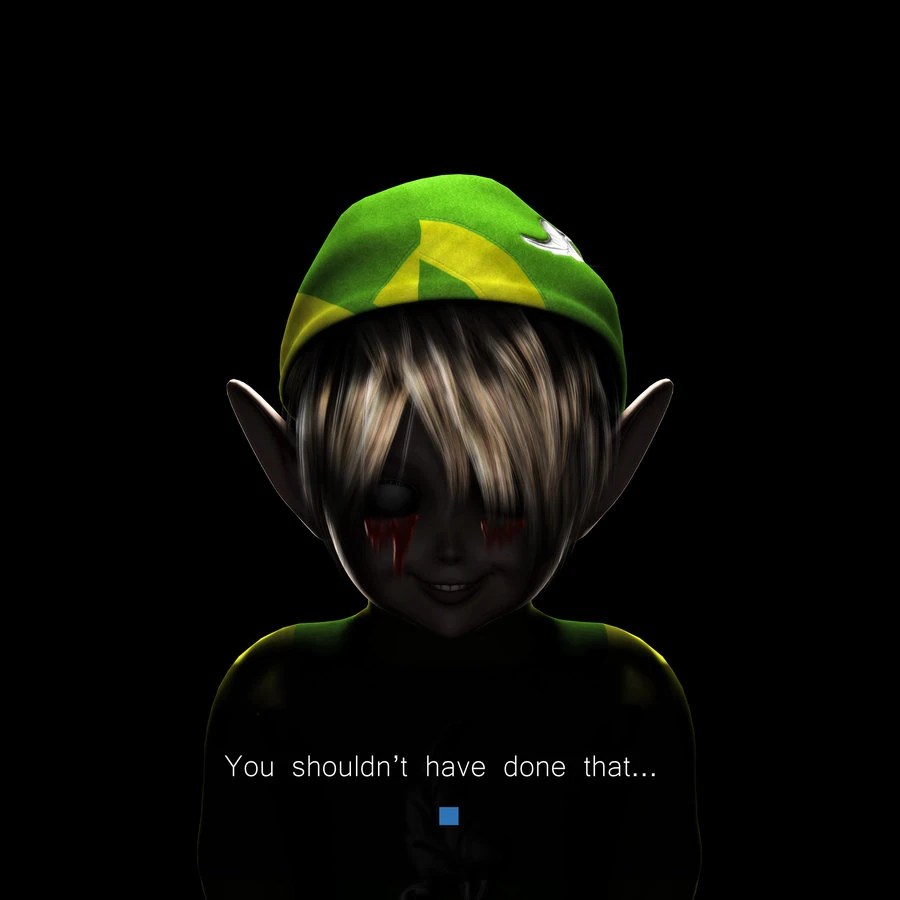
Most tales of madness in gaming stick to simple scares, but BEN Drowned goes deeper with its eerie digital glitches. If you’ve ever felt the unsettling blur between reality and the screen, this story hits close to home. This post breaks down how BEN Drowned uses digital horror to reflect psychological distress, shining a light on schizophrenia representation through gaming and horror storytelling.

The Madness Trope, Digital Horror and Perceived Unreality
The madness trope is a common thread in horror, but BEN Drowned takes it to another level. As you play, the game begins to glitch in ways that feel disturbingly real. These glitches aren’t just for shock value. They mirror the chaos and confusion experienced by those living with schizophrenia.
Imagine playing a game where the rules change without warning. That’s what makes BEN Drowned so unique. It blurs the line between reality and the digital world. This mirrors the blurred realities faced by many who have mental illnesses. By doing so, it opens a conversation about the representation of these experiences in media.
Digital horror, like the kind found in BEN Drowned, taps into our fears of what lies beyond the screen. The game’s glitches create a sense of unreality, making you question your surroundings. This mirrors the experiences of those living with schizophrenia, who often struggle with distinguishing reality from delusion.
As you navigate this digital landscape, you’re faced with unsettling questions. Is this happening in the game, or is it a bug in your mind? This reflection of perceived unreality forces players to confront their discomfort, creating a unique horror experience that goes beyond simple jump scares.
Mental Health and Psychological Distress in Gaming
Gaming can be a powerful tool for exploring mental health themes. With BEN Drowned, players are thrust into a world where the digital and real intertwine, representing the mental turmoil faced by many. This isn’t just a tool for entertainment but a medium to understand and empathize with those who navigate similar challenges in real life. By exploring these themes, BEN Drowned challenges players to think about mental health in new ways. It shows how gaming can be more than just a pastime; it can be a platform for meaningful discussion and awareness.
In BEN Drowned, psychological distress is more than just a plot device. It’s a core element of the experience. This representation goes beyond mere storytelling. It offers players a glimpse into the constant tension and anxiety that accompany mental illness. By doing so, it fosters empathy and understanding, encouraging players to think critically about mental health.
To see how other games tackle this subject, explore this research piece, Glitch Horror: BEN Drowned and the Fallibility of Technology in GameFan Fiction by Emily E. Crawford.
Impact on the Audience and Narrative Responsibility
With great storytelling comes great responsibility. When dealing with sensitive themes like mental illness, creators have a duty to portray these experiences accurately and respectfully. BEN Drowned does this by weaving a narrative that is both engaging and informative. By doing so, it challenges other creators to consider how they represent mental health in their work. This narrative responsibility is crucial in fostering a more inclusive and understanding gaming community.
The impact of these horror narratives extends beyond the screen. By exploring themes of mental illness through gaming, BEN Drowned raises awareness and encourages empathy. It challenges perceptions, prompting discussions about mental health and its representation in media. This awareness is crucial in breaking down stigma and fostering a more understanding society. By engaging players in these conversations, horror games like BEN Drowned do more than entertain; they educate and inspire. Here’s the key insight: the longer you wait to explore these themes, the more you miss out on understanding the power of gaming as a narrative tool.


I’d love to hear what you think, please comment below.