The Baby takes a disturbing turn that still unsettles viewers today. If you’ve noticed how disability often gets portrayed in unsettling ways, this film’s use of infantilization might hit closer to home than you expect. Step back into a time when horror films dared to challenge societal norms. “The Baby” stands as a bold example of 1970s horror, confronting us with uncomfortable truths. In this blog, you’ll find a sharp look at how psychological horror exposes deep issues around disability representation.
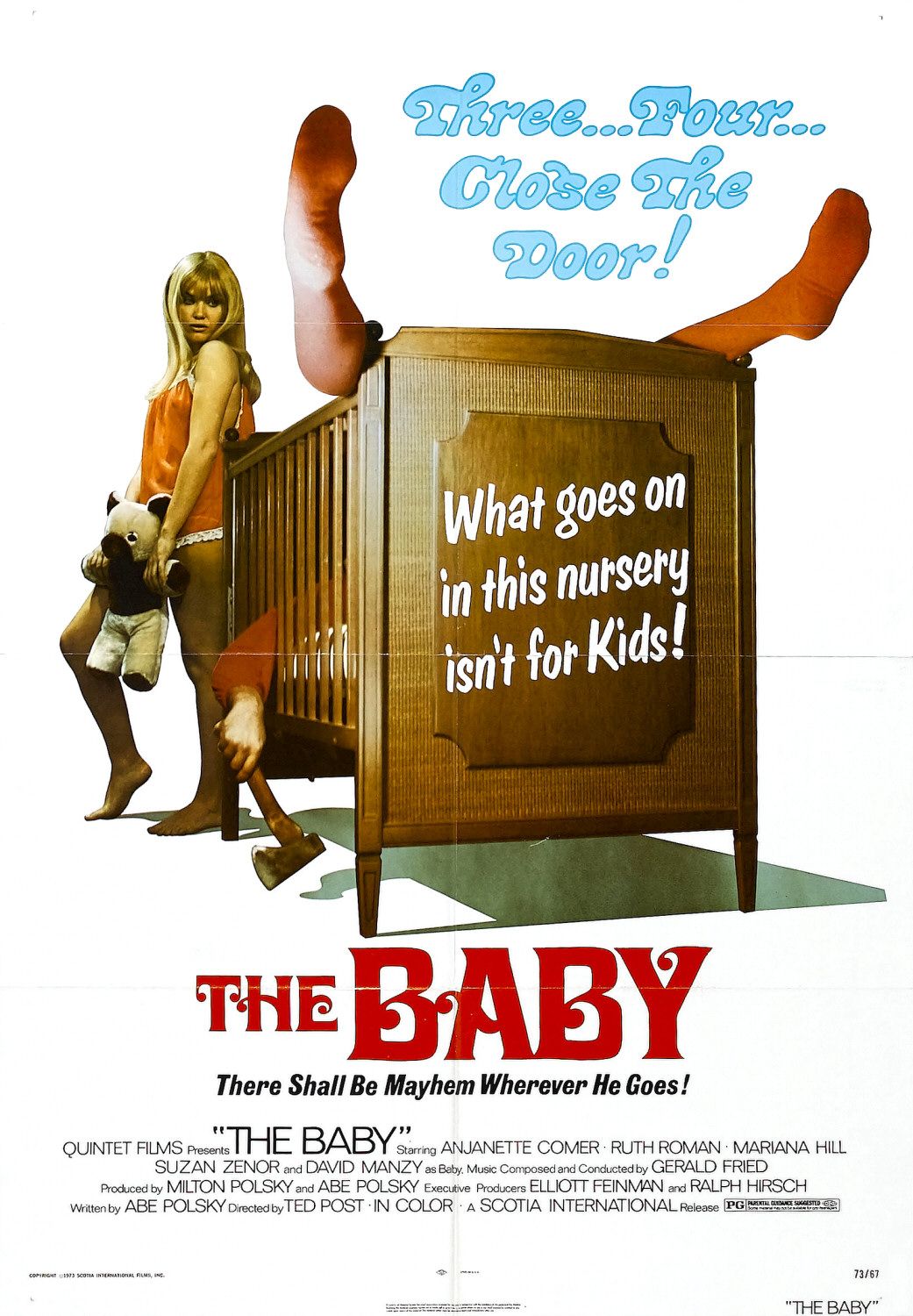
Exploring “The Baby” and Themes of Psychological Horror
Imagine a family harboring dark secrets and a man-child trapped in a perpetual state of infancy. “The Baby” takes you on a disturbing journey, where the lines between care and captivity blur. This film shocks not only with its plot but also with its unsettling portrayal of family dynamics. In the 1970s, films often pushed boundaries, and “The Baby” did just that by examining the complexities of human relationships. Curious about how these elements come together? You can read more about the film’s unique approach here.
The 1960s laid the foundation for modern horror, introducing psychological elements that “The Baby” builds upon. These films dared to explore taboo topics and challenge viewers’ perceptions. They questioned societal norms, pushing audiences to confront their deepest fears. By examining these earlier films, we gain insight into the evolution of horror and how “The Baby” fits into this larger tapestry. The unsettling atmosphere created by these films paved the way for more complex narratives.
Psychological horror twists the mind and exposes hidden fears. “The Baby” delves into themes of control and manipulation, leaving you questioning the true nature of horror. The film taps into primal fears, making you wonder: What if the monsters are those we trust? This form of horror doesn’t rely on jump scares but rather on the unsettling exploration of the human psyche. By doing so, it crafts a narrative that lingers long after the credits roll. The setting, the characters, and the eerie silence all contribute to a feeling of impending doom.
Infantilization and Its Impact
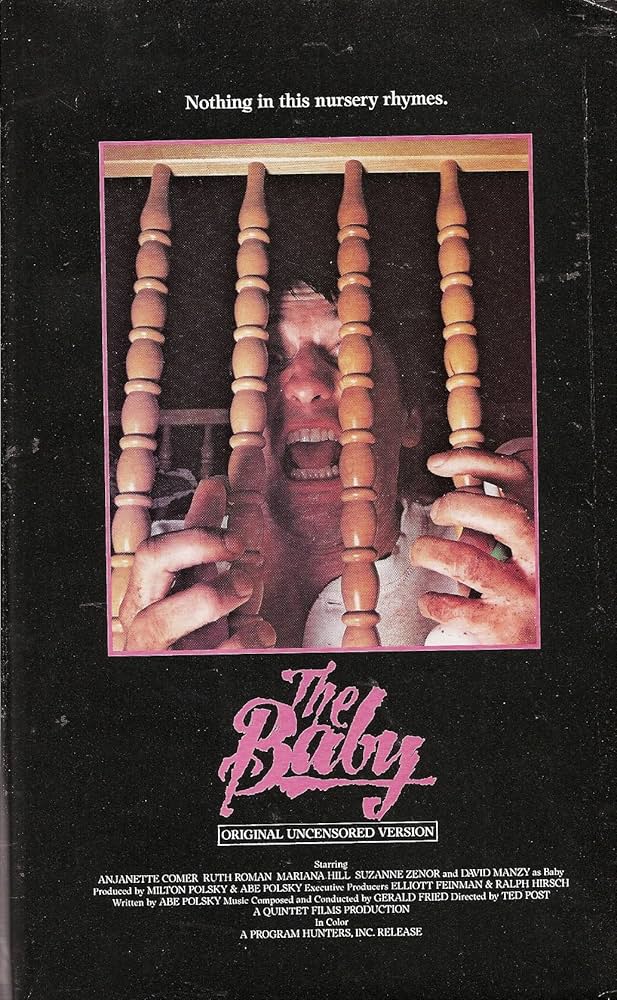
“The Baby” presents a disturbing take on disability, using infantilization as a central theme. This depiction raises questions about how society views and treats those with disabilities. While the film’s approach is shocking, it highlights the importance of authentic representation. By portraying disability in such a way, it challenges viewers to reconsider their assumptions and biases. Are these portrayals reflective of real experiences, or do they perpetuate harmful stereotypes?
For a deeper understanding of this issue, check out this article on Medium.
Infantilization occurs when adults with disabilities are treated as children, stripping them of autonomy. In “The Baby,” this is depicted starkly, prompting reflection on its real-life implications. The film forces audiences to confront the discomfort and injustice of such treatment. By illustrating these dynamics, it opens a conversation about the agency and rights of individuals with disabilities. How often do films perpetuate this damaging trope, and what can be done to change it?
Plot, Characters and Critical Recption
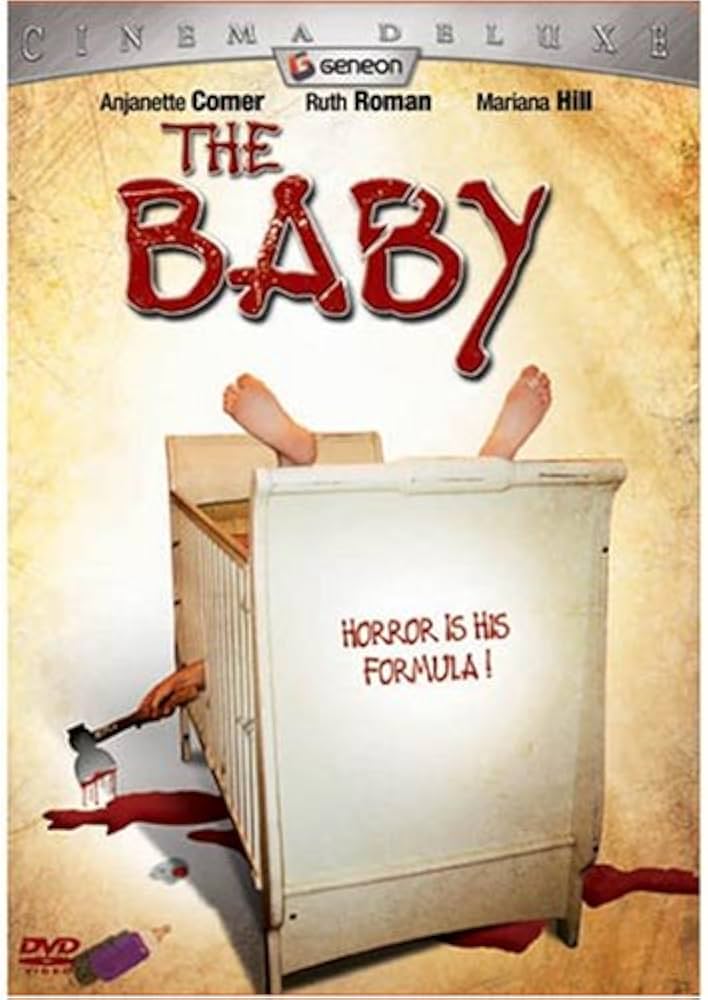
The plot of “The Baby” weaves a tale of suspense and psychological turmoil. Directed by Ted Post, the film uses tight shots and an eerie score to heighten tension. The storyline unfolds with a slow burn, drawing you in with its unsettling atmosphere. The director’s choice to focus on familial relationships adds a layer of complexity. These elements combine to create a chilling narrative that keeps you on edge. The film’s direction ensures that every scene contributes to a growing sense of unease.
Characters in “The Baby” are complex, each symbolizing different aspects of control and submission. The baby himself becomes a symbol of trapped potential and lost autonomy. The mother’s overbearing presence reflects societal control, while the social worker represents the quest for understanding. Each character’s development is meticulously crafted, serving to further the film’s themes. How do these layers add depth to the story and enhance its impact?
Critics have had mixed reactions to “The Baby,” but its influence on the horror genre is undeniable. Some praise its daring subject matter, while others critique its portrayal of disability. Despite differing opinions, the film has carved out a niche as a cult classic. It challenges viewers to confront uncomfortable truths, leaving a lasting impact on those who watch it. How has this film shaped the way we view horror and disability representation?
By exploring these themes and analyses, “The Baby” remains a compelling study in psychological horror and disability representation. Its legacy continues to provoke thought and discussion, inviting new audiences to question and explore.


I’d love to hear what you think, please comment below.