
Writing disabled villains often falls into tired traps that strip characters of depth and feed harmful stereotypes. If your antagonist’s disability feels like a shortcut to evil, you’re not alone. This blog will help you separate character flaws from impairment, creating complex antagonists who challenge disability tropes in media without falling into ableism, allowing you to craft characters with depth and authenticity. Keep reading to master nuanced villainy that respects disability representation; alternatively, check out this article on ‘listen up to disability.com‘ for further insights.
Dissecting Common Stereotypes
Disabled villains often fall into the trap of being portrayed as bitter or vengeful due to their impairments. This stereotype lacks nuance. Imagine a character who uses a wheelchair. Are they evil because of their wheelchair, or do they have deeper motivations? Most people might assume the former, but you can break this stereotype. Instead, focus on their ambitions, desires, and fears that motivate their actions. Jane Friedman’s guide offers great insights on avoiding these pitfalls.
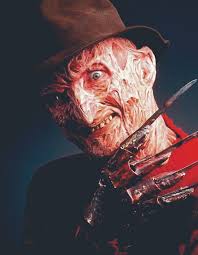
The ‘Evil Because Disabled’ Trope
This trope suggests that disability inherently leads to villainous behaviour, which is misleading. Picture a villain with a scarred face; this is often used as a visual shorthand for evil. But why? Challenge this notion by giving them a backstory unrelated to their appearance. Show their humanity, their struggles, and their choices. By doing so, you not only enrich their character but also push back against damaging stereotypes.
Character Flaws vs Impairment
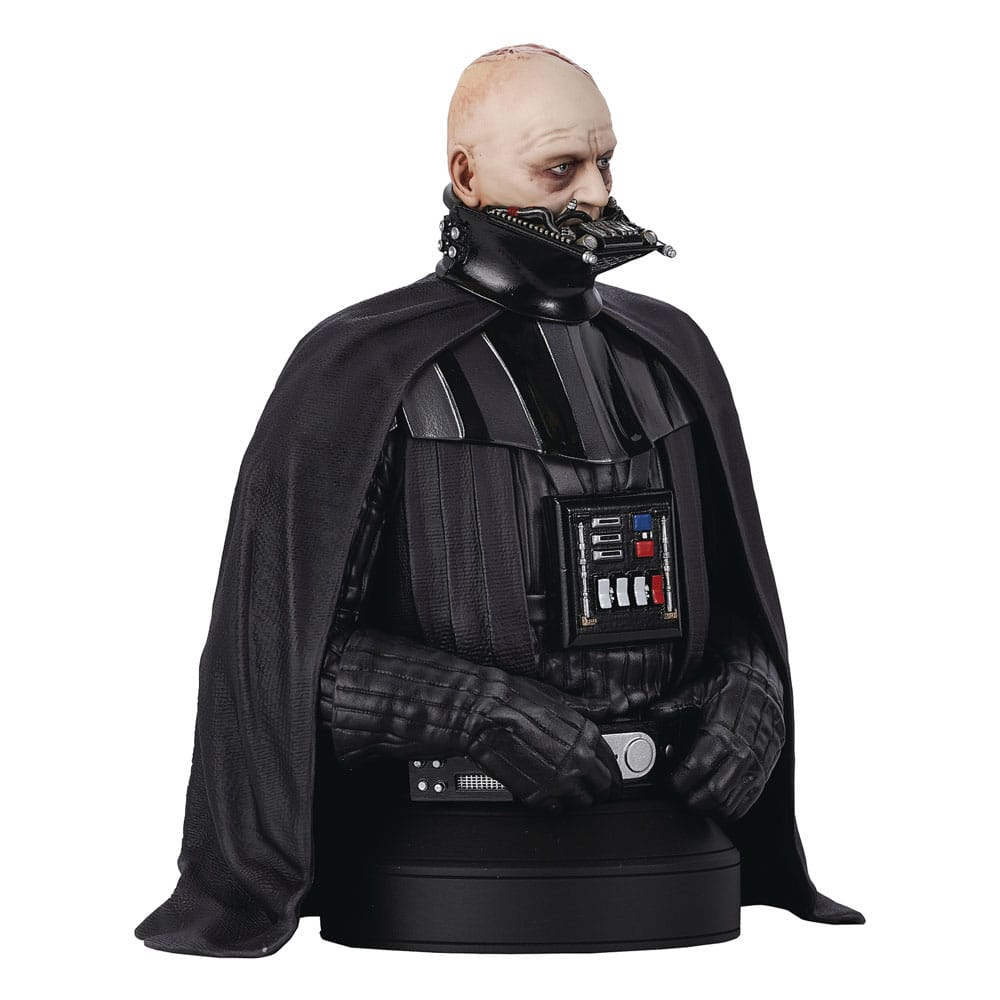
Separate flaws from impairment. A character’s wickedness shouldn’t stem from their disability. Consider a villain who is manipulative. This trait can exist independently of their physical or mental condition. Perhaps they manipulate because they crave power or control, not because of their disability. This distinction is crucial when writing disabled villains. Explore this discussion on Tumblr for more ideas.
Nuanced Villainy in Writing
Villains are more intriguing when they aren’t purely evil. Give them redeeming qualities or moments of doubt. Maybe your villain has a soft spot for animals or is motivated by a noble cause gone awry. These layers make them relatable and memorable. The longer you wait to develop these nuances, the more you risk falling into cliché traps. Remember, the goal is to create a character that challenges stereotypes and adds richness to your story.
Strategies for Authentic Representation
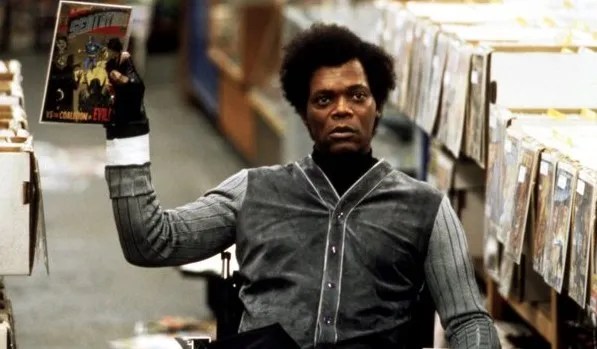
Authenticity comes from research and empathy. Speak with people who have disabilities, read their stories, and understand their experiences. This will help you write characters that reflect real-life complexities. Avoid making their disability their sole defining feature. Instead, highlight their talents, dreams, and personal struggles. This approach fosters respect and depth in your storytelling.
Writing Disabled Villains Responsibly
When writing disabled villains, remember that responsibility lies in how you portray them. It’s not just about avoiding stereotypes but also about showing a full spectrum of human experience. Most people think it’s enough to not use offensive language, but it goes deeper. Show their humanity and complexity, and your readers will appreciate the authenticity you bring to the table. By writing with care, you contribute to a richer and more inclusive narrative landscape.
In summary, writing disabled villains requires thoughtfulness and creativity. By understanding stereotypes, crafting nuanced characters, and avoiding ableist tropes, you can create antagonists that are both compelling and respectful.
 Katie Marie Robinson-Sherlock
I’d love to hear what you think, please comment below.