
Some horror unsettles you with monsters, while others linger because they quietly dissolve your sense of certainty. Annihilation belongs firmly to the second category.
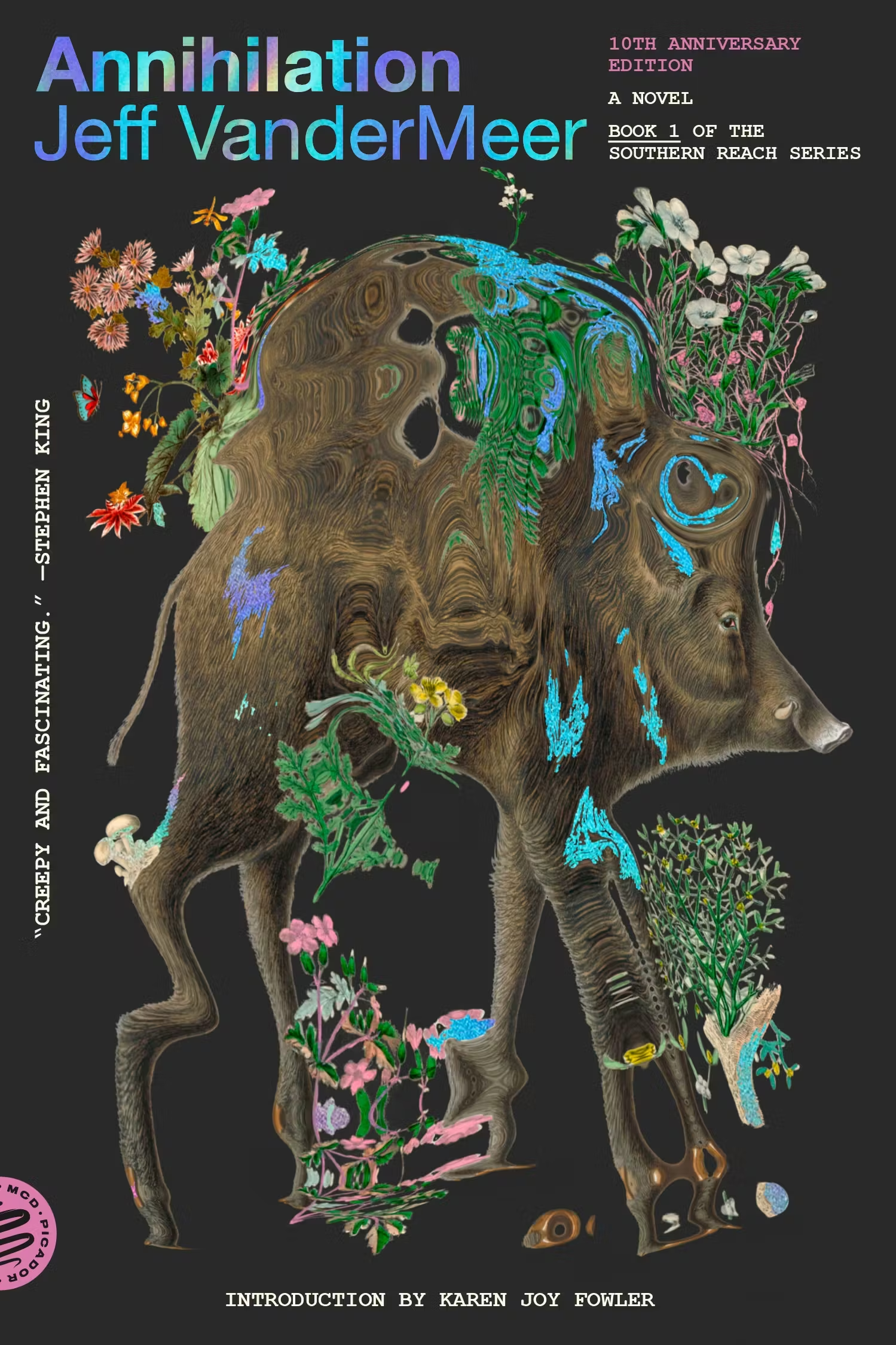
Set within the shifting, uncanny expanse of Area X, Annihilation follows a biologist sent on an expedition into a landscape that resists mapping, mastery, and even language. The horror here is not loud; it’s slow, ecological, and deeply intimate. The horror is rooted in transformation, erosion of self, and the terrifying possibility that understanding is neither possible nor required.
What makes Annihilation particularly compelling is how it reframes fear. The environment is not “evil” in any conventional sense; it is indifferent. It’s not doing its thing to hurt anyone in particular, its not getting revenge for any act done; it just exists, and its existence happens to mess us up quite a bit lol. Horror emerges not from an invading threat, but from the recognition that human frameworks (science, hierarchy, narrative authority) are fragile things.
This is cosmic horror that doesn’t rely on grand gods or shrieking revelations. Instead, it asks quieter, more disturbing questions:
- What happens when the world does not need us?
- What if transformation is not punishment, but a process?
- What if survival means becoming something unrecognisable?
For readers interested in ecological horror, cosmic horror, and narratives that refuse neat resolution, Annihilation is a masterclass. It trusts ambiguity, resists comfort and reminds us that the most unsettling stories are often those that keep growing after the final page.


I’d love to hear what you think, please comment below.