Fear of the other runs deep in horror literature, and “Children of the Corn” taps into this like few stories do. You’ve probably noticed how the strange, abnormal children in the story stir unease that goes beyond just scares. This blog looks at how those characters reflect real societal fears about neurodiversity, nonconformity, and the stigma that comes with being different. Keep reading to see how King’s tale mirrors the impact of ableism and invites us to rethink what we fear and why.
Abnormal Children as Symbols
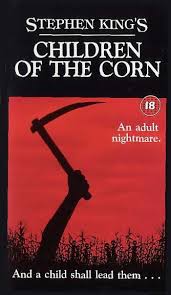
When you think of “Children of the Corn,” the eerie children immediately come to mind. Their strangeness isn’t just about their actions. It’s a mirror reflecting real-world fears. In horror stories, children often symbolize innocence. But what happens when they deviate from this norm? They become symbols of fear. Their abnormality challenges our understanding of what it means to be ‘normal.’
This narrative taps into societal fears surrounding nonconformity. We often fear what we don’t understand. The children in this story embody that fear, showing us how society reacts to those who don’t fit the mold. It’s not just about the horror; it’s about confronting our unease with difference.
Societal Fears and Anxieties
The fear of difference isn’t just a plot device; it mirrors real-world anxieties. Many people find themselves uneasy around those who break social norms. This fear can be traced back to a lack of understanding. Horror stories like “Children of the Corn” exaggerate these fears to make us confront them.
Think about it. Society often labels the unknown as dangerous. The story’s children, with their otherworldly behavior, challenge this notion. They represent the fear of the uncontrollable. By facing these fears in fiction, we can learn to address them in reality. This tale pushes us to question why we fear difference and what that says about us.

Real-World Implications
In the world outside fiction, ableism affects many lives. It’s the bias against those who think and act differently. Just like the children in the story, real people face judgment for their unique traits. This bias can limit opportunities and acceptance.
Consider how neurodivergence is often misunderstood. People might be labeled as ‘different’ or ‘abnormal,’ echoing the story’s fear-driven narrative. This misunderstanding can lead to exclusion. By recognizing these parallels, we can begin to challenge ableist attitudes. Fictional tales help us see these biases clearly, offering a chance to rethink our perceptions.
Stigma of Neurodivergence
The stigma surrounding neurodivergence is a real issue many face. In “Children of the Corn,” the children’s behavior is unsettling because it doesn’t conform. This mirrors how society often views neurodivergent individuals. The misunderstanding and fear of the unknown create barriers.
Breaking these barriers starts with awareness. By acknowledging the parallels between fiction and reality, we can work towards acceptance. The story invites us to reconsider how we treat those who think differently. It’s about moving beyond fear to find understanding and empathy.
Horror Literature’s Role in Moving Towards Understanding
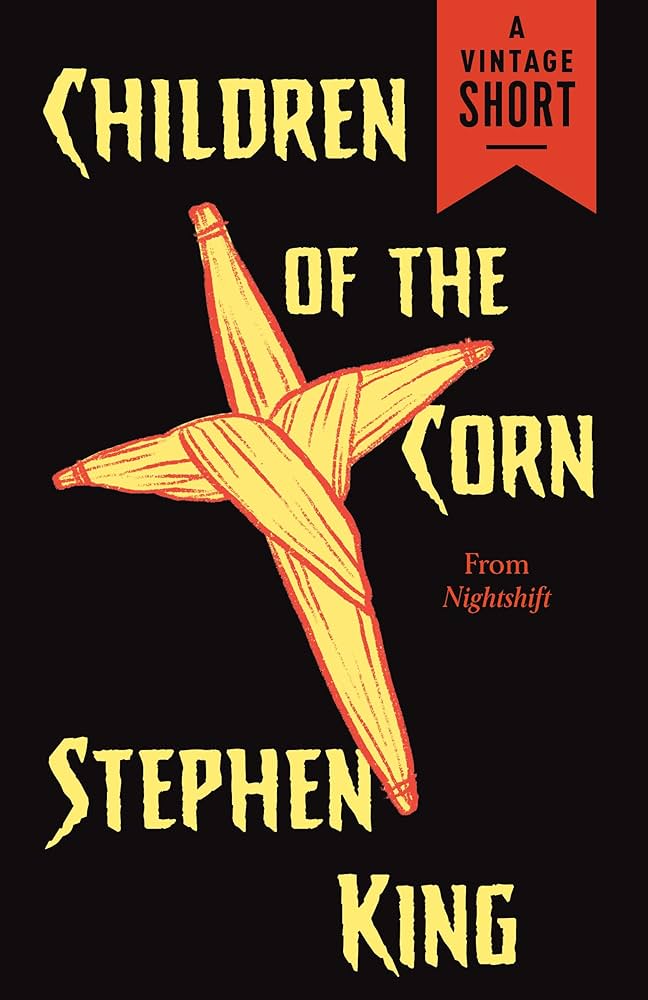
Horror literature isn’t just about scares. It’s about exploring the human condition. These stories push boundaries and challenge norms. They make us question our fears and prejudices. “Children of the Corn” is a perfect example. It forces us to confront our discomfort with difference.
Most people see horror as pure entertainment, but it offers deeper insights. By examining the fears presented, we can better understand our own biases. This genre plays a crucial role in highlighting societal issues, encouraging reflection and growth.
The longer we wait to address our biases, the more ingrained they become. Horror stories can be a starting point for change. They highlight the absurdity of fearing difference and push us towards acceptance.
Here’s the key insight: by embracing these narratives, we can challenge stereotypes. We can move towards a society that values diversity and inclusion. Understanding begins with acknowledging our fears and choosing to see beyond them. This journey is essential if we wish to transform fear into empathy.
In conclusion, “Children of the Corn” uses horror to reveal societal anxieties about neurodiversity and nonconformity. By examining these themes, we can better understand our biases and work towards a more inclusive world.


I’d love to hear what you think, please comment below.