
Oscar Wilde’s “The Picture of Dorian Gray” flips the script by showing a portrait that ages while Dorian stays young. This clash between aesthetic and moral monstrosity raises sharp questions about identity and superficiality. The novel’s exploration of beauty and decay offers a fascinating look into the human psyche and invites you to question how far one might go to retain youth and beauty.
For a deeper exploration than what is offered here, check out Oscar Wilde’s The Picture of Dorian Gray: A Study in Gothic and Romantic Aestheticism by Federica Moneri. on Medium.com
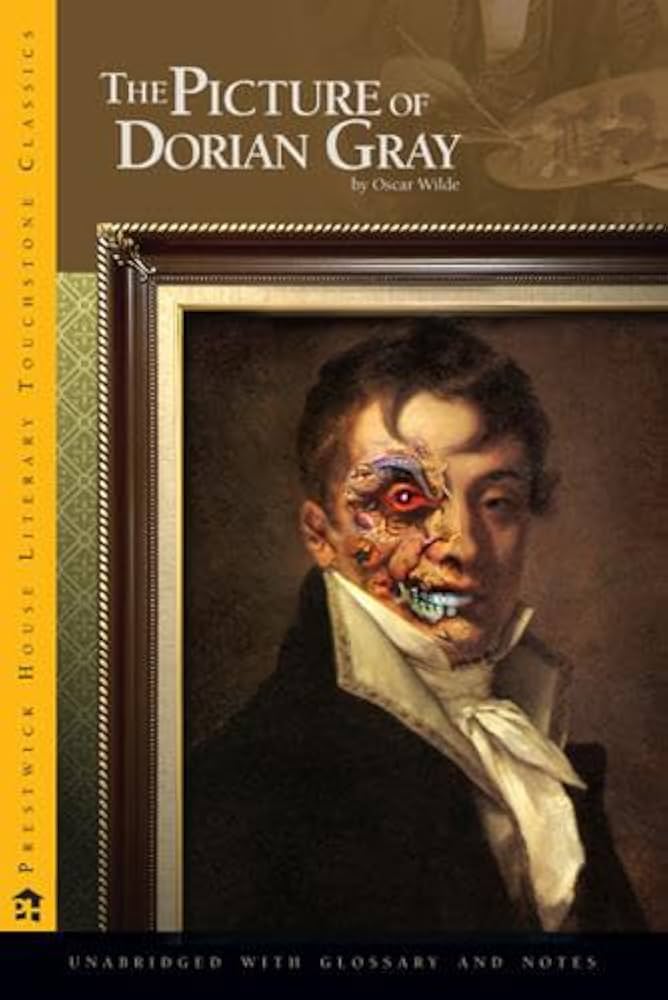
Oscar Wilde’s Timeless Themes
In Dorian Gray’s world, beauty is everything. The idea is simple: his portrait grows old, but he stays young. This split between appearance and reality is where the real drama unfolds. Most people value beauty, but what if it comes at the expense of your soul? Wilde uses Dorian’s story to show the dark side of eternal youth. The novel paints a vivid picture, both literally and figuratively. Dorian’s actions become increasingly reckless as he sees no consequences on his face. The portrait bears the brunt of his sins. This moral monstrosity is the true horror of Wilde’s tale. People around Dorian are charmed by his looks, blind to the corruption beneath.
Wilde’s themes aren’t just about beauty and decay. They speak to the timeless struggle between external allure and internal rot. This tension is what makes the story resonate today. Dorian’s life poses a question: Is beauty worth sacrificing your morality? The novel remains a powerful reflection of society’s obsession with youth. Wilde delves into the consequences of unchecked vanity. The story forces you to ponder the cost of living a life dictated by appearance.

The Mask of Youth and Dorians True Face
Dorian’s unchanging appearance serves as a mask. It hides the chaos within, allowing him to move through life untouched by time. This mask of youth is both a blessing and a curse. It gives him freedom, but also leads to his downfall. People assume he is innocent because he looks it. Yet, beneath this facade, his identity becomes tangled. He loses sight of who he is beyond his youthful looks. This loss of self highlights a critical point: when you rely on looks alone, what happens when they fade? Wilde’s story suggests that without depth, identity can shatter.
Eventually, Dorian must confront his true self. The portrait reveals the true face of Dorian, scarred by years of deceit. This moment is a wake-up call. It challenges you to reflect on how much of your identity is tied to what others see. Dorian’s realization is chilling. He sees that his pursuit of beauty has left him hollow. The story serves as a warning: When you chase superficiality, you risk losing your essence. It’s a reminder to nurture what lies beneath the surface.
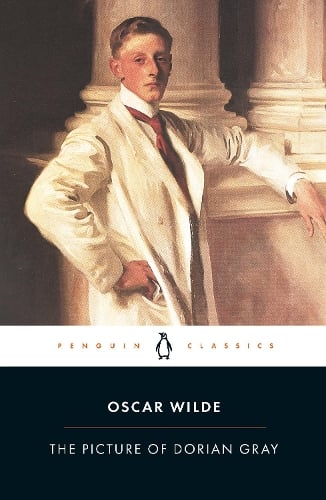
The Nature of Monstrosity and Reflections on Human Condition
What makes a monster? Wilde suggests it’s not the ghoulish face, but the choices one makes. Dorian’s descent highlights the nature of monstrosity. It’s a slow burn, igniting from vanity and fanned by indulgence. This perspective challenges the typical horror trope. Here, the monster hides in plain sight, masked by charm. Wilde’s approach to monstrosity is profound. It invites you to see that true horror may not lurk in shadows but can be found in everyday choices. This theme encourages introspection: How do your choices shape your life and, ultimately, your soul?
Wilde’s narrative delves into reflections on the human condition. It makes you question the essence of life. Is it the pursuit of beauty, or something deeper? Dorian’s story pushes you to think about the balance between desire and ethics. The novel leaves you with a haunting thought: The longer you avoid facing your true self, the greater the cost. It’s a call to look beyond the surface and seek authenticity. Wilde’s tale remains a poignant reflection on the choices that define us, urging readers to consider the true nature of their desires.
Wilde’s “The Picture of Dorian Gray” is a masterful exploration of themes that resonate deeply. It’s a story that challenges you to look beyond the facade, question the value of beauty, and reflect on the choices that shape your life.


I’d love to hear what you think, please comment below.