
Pontypool turns fear inside out by making speech itself the enemy. Have you ever considered words as a source of terror? ‘Pontypool’ invites you to do just that. By turning everyday speech into a weapon, this film creates a new kind of fear. Language, typically a tool for connection, becomes a barrier. Pontypool uses linguistic breakdown to explore how losing language can isolate and unravel human connection. In this review, you’ll see how Tony Burgess and Bruce McDonald craft a chilling story that challenges how we understand communication and control through a neurodivergent perspective.
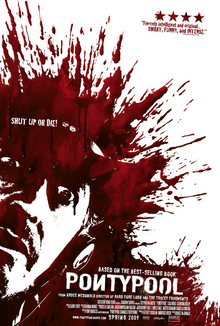
Horror Through Speech Loss and the Role of Language in Isolation
What if speaking could harm you? ‘Pontypool’ explores this unsettling idea. In the film, language spreads a virus. People transform into zombie-like figures, driven to violence. This twist on the zombie genre keeps viewers on edge. It challenges the notion that communication is safe. Characters grapple with the breakdown of language. As words become dangerous, communication breaks down. Trust erodes. This scenario forces you to rethink how language functions. It’s a fresh spin on horror that highlights vulnerability. The fear stems from the unexpected. Language, a familiar tool, becomes a threat. The film’s take on linguistic breakdown offers a chilling experience.
Imagine a world where words isolate rather than connect. ‘Pontypool’ paints this picture vividly. As language fails, characters face profound isolation. They struggle to communicate, trapped in a bubble of silence. This isolation heightens tension and fear. The film shows how language ties us to others. When words falter, so do connections. Characters become strangers to each other. This breakdown underscores the fragility of human bonds. Communication, often taken for granted, becomes a precious commodity. Isolation amplifies the film’s horror. The absence of language leaves characters vulnerable. They must navigate a world where silence prevails. This scenario is both terrifying and thought-provoking. It forces viewers to reconsider the importance of speech in fostering connection.
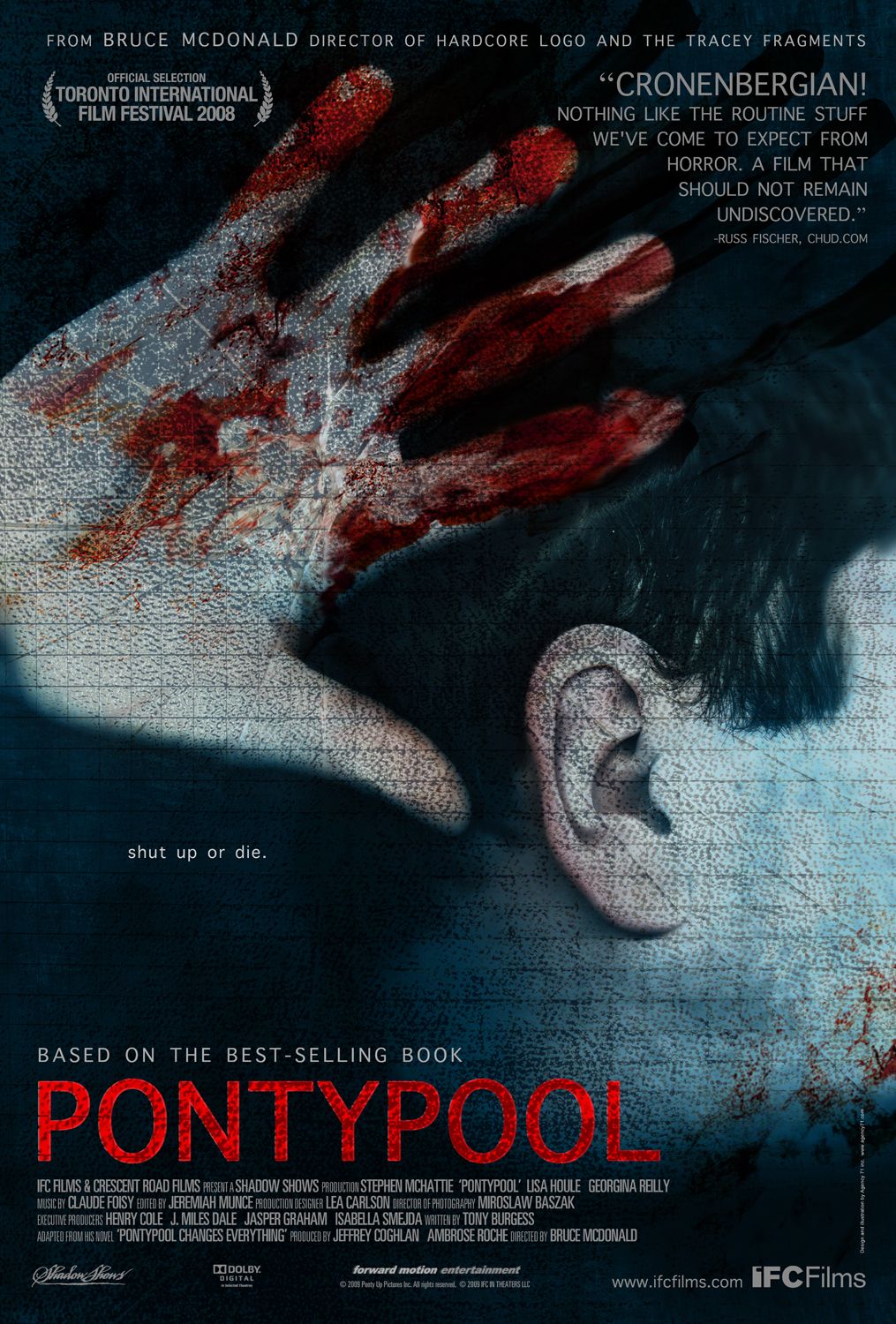
Character Dynamics, Misunderstanding and Human Connection
The characters in ‘Pontypool’ face unique challenges. Their interactions reveal much about communication’s role in understanding. As language crumbles, so does their ability to relate. This breakdown disrupts typical dynamics. Consider how misunderstandings arise. Characters misinterpret each other’s intentions. This mirrors real-world challenges faced by those with communication differences. It spotlights the need for empathy and patience. These dynamics enrich the story. They reveal the complexity of human interaction. The film’s portrayal offers insights into the struggles of those who communicate differently. It’s a reminder of the diverse ways people connect.
Misunderstandings can sever human ties. In ‘Pontypool,’ this theme plays out dramatically. As language deteriorates, so does trust. Characters confront the fragility of their connections. Miscommunication breeds fear and suspicion. It highlights the delicate balance of understanding. This theme resonates with anyone who has faced communication barriers. It emphasizes the importance of clear dialogue. The film uses this dynamic to create tension. It keeps viewers questioning what they know about connection. By exploring these themes, ‘Pontypool’ challenges assumptions about communication.
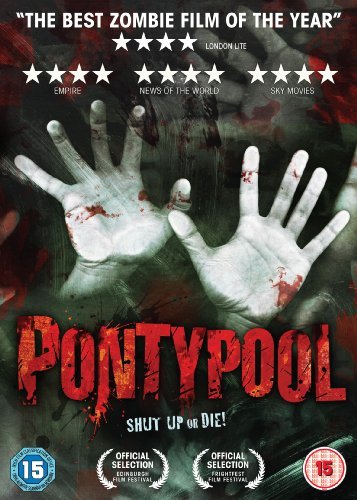
Tony Burgess’ Vision and Bruce McDonald’s Directorial Choices
Tony Burgess, the writer, envisioned a fresh take on horror. His background in literature shaped ‘Pontypool.’ Burgess’s approach to storytelling is unconventional. He emphasizes psychological tension over gore. His vision for ‘Pontypool’ was bold. By centering on language, he crafted a narrative that engages on multiple levels. Burgess wanted viewers to question reality. His work challenges typical horror tropes. This vision is evident in the film’s unique premise. Burgess’s storytelling invites viewers to explore new ideas about fear and connection. He proves that horror can be both cerebral and unsettling.
Director Bruce McDonald brought Burgess’s vision to the screen. His choices enhance the film’s atmosphere. McDonald focuses on building tension through pacing and sound. His direction emphasizes the story’s psychological aspects. He draws viewers into the characters’ world. McDonald’s use of sound is particularly effective. It underscores the terror of speech loss. His style keeps the audience engaged. McDonald delivers a film that is both thought-provoking and suspenseful. His work highlights the power of direction in storytelling.
In conclusion, ‘Pontypool’ offers a unique horror experience. By exploring themes of language and isolation, it challenges viewers to rethink their assumptions. The film’s creative team delivers a story that is both chilling and insightful.


I’d love to hear what you think, please comment below.