
The story of the Bell Witch is more than just a ghost tale, it reveals deep fears about women who don’t fit society’s mold. When you look at the historical context of the Bell Witch, you’ll see how folklore reflects anxieties around female autonomy and mental health. This blog takes a fresh look at the legend, connecting witchcraft, mental illness, and the demonisation of women to uncover what these stories say about gender and power. For more insights, read Bell Witch: A Regional Folklore that Became a National Legend by Ds Trayloron on Medium.com.
Roots of the Legend
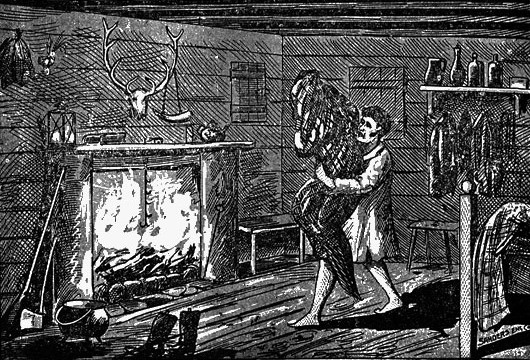
The tale begins in the early 19th century in Tennessee. The Bell family was tormented by an invisible force. This wasn’t just any ghostly encounter. The spirit, known as the Bell Witch, was said to speak, move objects, and even predict the future. But why did this story capture the imagination of so many? It’s simple: it challenged the norms of the time. The Bell Witch wasn’t just a ghost. She was a formidable female presence in a world where women were often silenced. For more on the Bell Witch, check out this detailed history on tnmuseum.org.
Societal Anxieties and Women
Folklore often mirrors the fears and concerns of its time. In the case of the Bell Witch, the story reflects anxieties about women stepping beyond their traditional roles. The early 1800s were a time when women’s voices were largely unheard in public spheres. A powerful female spirit, therefore, represented a threat to the established order. This tale resonated with people because it played on these fears. The Bell Witch’s story was both a cautionary tale and a reflection of society’s unease with change. Are we still haunted by these fears today? You might be surprised to find out how much has remained the same.
Women in early American folktales were often depicted as either virtuous maidens or wicked witches. The Bell Witch legend is a perfect example of this. Here, we have a woman who is neither saintly nor silent. Instead, she is a powerful, vocal entity who defies categorisation. This challenges the binary roles often assigned to women in folklore. Most folktales of this era didn’t allow for complex female characters. But the Bell Witch was different. She wasn’t just a ghost. She was a force to be reckoned with. This kind of narrative provided a space for discussions about female empowerment, even if it was couched in fear and mystery. For more on this topic, read this fascinating article on Bell Witch from the Tennessee State Library and Archives.
Witchcraft, Female Autonomy and Mental Illness
Witchcraft has long been associated with female autonomy. Women accused of witchcraft were often those who lived outside societal norms. They were healers, midwives, or simply women who dared to speak their minds. The Bell Witch, with her mysterious powers, fits this mold. The fear of witchcraft was often a fear of female power. Women who practiced herbal medicine or possessed knowledge outside of conventional wisdom were often labeled as witches. This label served to control and silence them. The Bell Witch legend serves as a reminder of the dangers women faced when they defied societal expectations.
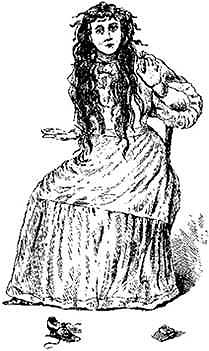
Mental illness in women has historically been misunderstood and stigmatized. In the past, women exhibiting non-normative behavior were often labeled as hysterical or possessed. The Bell Witch legend reflects this fear. The spirit’s unpredictable nature and eerie presence mirror societal fears around women who don’t conform. This narrative is still relevant today. Many women continue to face stigma when dealing with mental health issues. The Bell Witch reminds us that these fears are not new. They have deep roots in our culture and history.
Folklore has often been used to reinforce patriarchal structures. The Bell Witch story is no exception. By portraying a powerful female presence as a threat, the tale reinforces the idea that women should remain within prescribed roles. However, the Bell Witch also challenges these structures. Her story persists because it speaks to the power women hold, even when society tries to suppress it. This contradiction makes the legend both captivating and thought-provoking. It forces us to confront our own assumptions about gender and power.
Cautionary Tales and Modern Implications
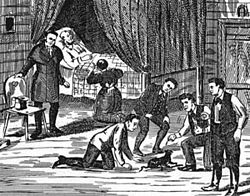
Cautionary tales, like that of the Bell Witch, serve as a means of control. By warning against non-conformity, they reinforce societal norms. However, these tales also reveal underlying fears about women’s empowerment. The more we understand these stories, the more we can challenge the narratives that restrict women’s autonomy. By examining these tales, we can begin to dismantle the structures that seek to control women. The Bell Witch legend, when viewed through this lens, becomes a story of empowerment rather than fear.
Analyzing folklore allows us to see how these stories shape societal norms. The Bell Witch legend challenges us to reconsider what we accept as “normal.” It invites us to question the narratives that demonize women who defy expectations. Today, many women continue to face pressures to conform. By understanding the historical context of these tales, we can begin to change the conversation around gender and power. Folklore is not just a reflection of the past; it is a tool for shaping the future.
Reclaiming the Narrative
Reclaiming the Bell Witch narrative means seeing it as a story of strength rather than fear. Women today can find inspiration in the tale of a woman who defied societal norms and refused to be silenced. By embracing these narratives, we empower ourselves to challenge the status quo. The Bell Witch is more than just a legend; she is a symbol of resilience and defiance. Her story encourages us to write our own narratives, free from the constraints of fear and conformity.


I’d love to hear what you think, please comment below.