
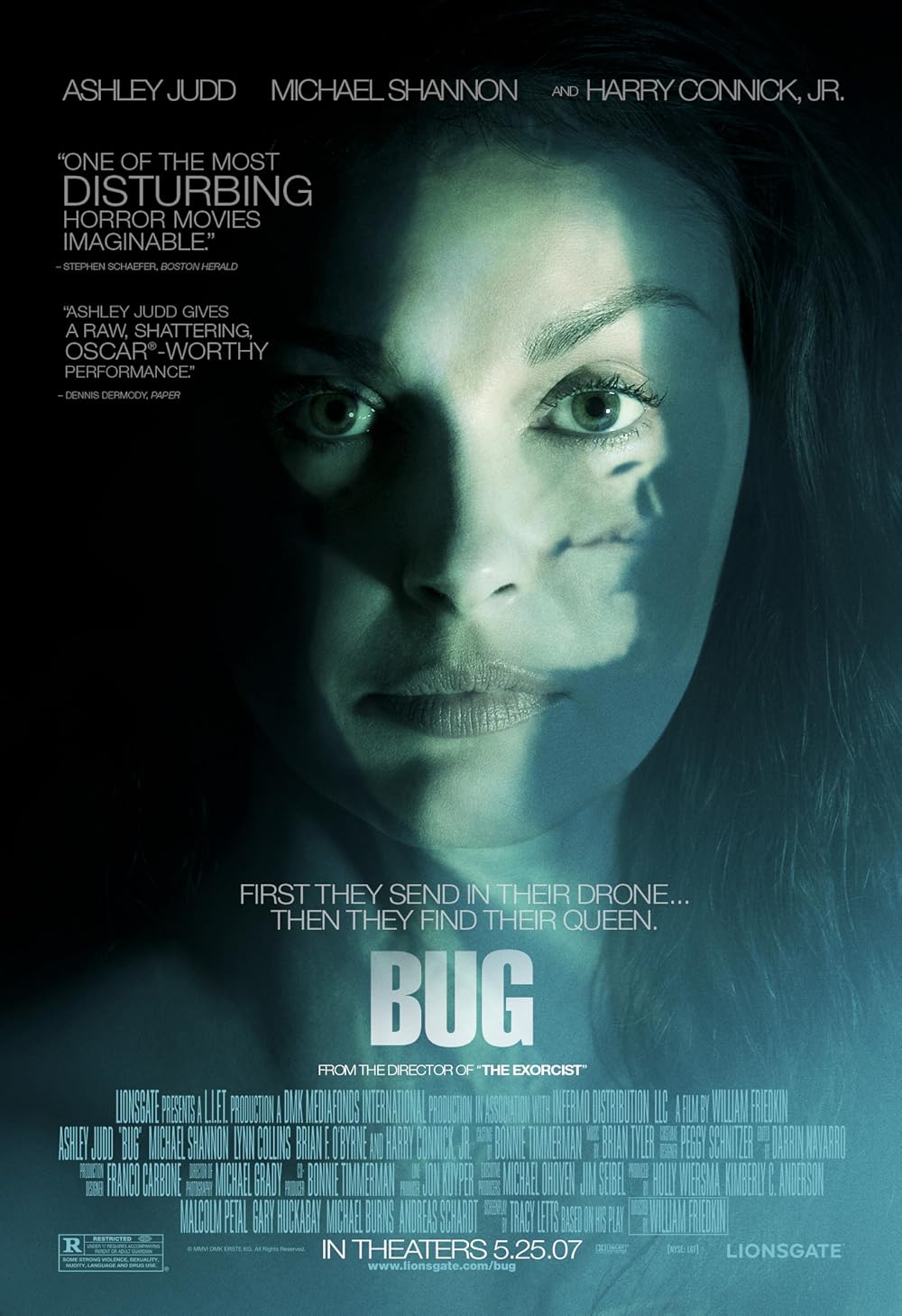
Bug is a raw, unsettling look at psychosis that refuses easy answers. William Friedkin’s horror strips reality down to its fragile core, showing how paranoia and isolation reshape the mind. Read on, to see how this film blurs truth and delusion, forcing you to question the very nature of sanity.
Isolation and Paranoia in Bug
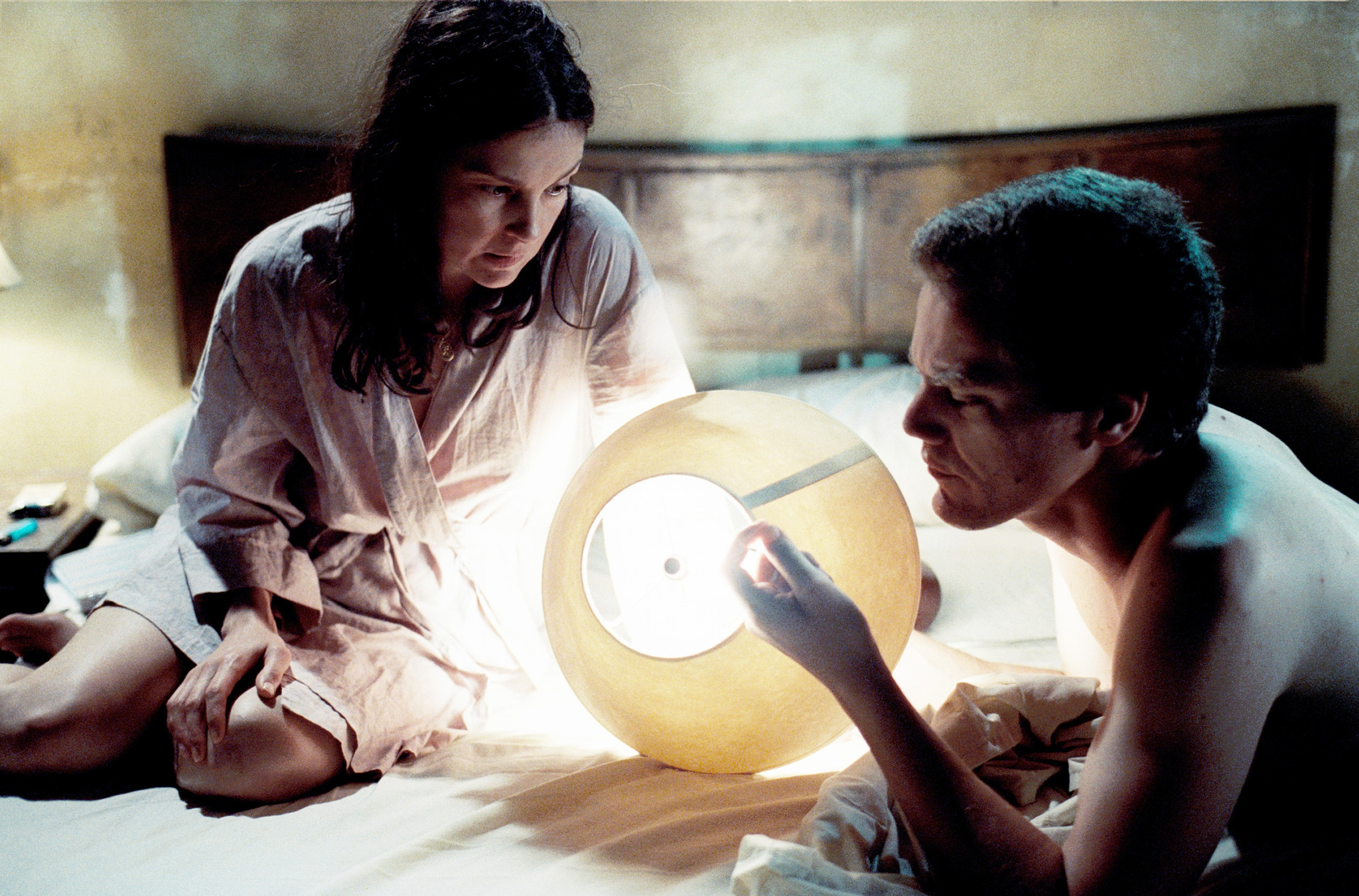
Isolation is a powerful force in Bug, altering the characters’ perceptions. The film presents a claustrophobic environment where the walls close in, both physically and mentally. Agnes and Peter, the main characters, find themselves trapped in their own minds, spiraling deeper into paranoia. The cramped motel room becomes a symbol of their isolation, intensifying their fears. You’ll notice how small spaces in the film reflect the shrinking world around them. This is not just a backdrop but a catalyst for their descent into madness. As the characters’ connections to reality weaken, the audience is drawn into their fragmented world. This portrayal forces you to confront the impact of isolation on mental health, a theme that resonates in today’s society.
Paranoia threads through Bug, weaving an intricate tapestry of fear and delusion. It’s not just a subplot but the driving force behind the characters’ actions. As paranoia takes hold, reality blurs, and every shadow becomes a threat. This theme challenges viewers to question what they see on screen. Consider how paranoia affects Agnes and Peter. Their fears manifest in bizarre and violent ways, leading them to commit acts they would never consider in a rational state. This portrayal of paranoia is both terrifying and enlightening, offering a window into the human mind under duress. It’s a chilling reminder of how easily one can slip into paranoia’s grip.
Psychosis and Blurring Reality
The depiction of psychosis in Bug is both haunting and authentic. Friedkin doesn’t shy away from showing the raw, uncomfortable reality of mental illness. Instead, he dives deep into the characters’ minds, laying bare their fears and delusions. The result is a film that feels disturbingly real. Psychosis is not just a plot device here; it’s the heart of the story. Agnes and Peter’s descent into madness is gradual yet inevitable, drawing you into their fractured world. You’ll find yourself questioning their reality and, by extension, your own. Friedkin’s portrayal is a stark reminder of the thin line between sanity and madness.
Bug blurs the line between reality and fiction, keeping you on the edge of your seat. The film plays with your perceptions, making you question what is real and what is imagined. This blurring is not accidental but a deliberate choice by Friedkin to immerse you in the characters’ world. As the film progresses, the distinction between reality and delusion becomes less clear. The audience is left to piece together the truth from the fragments presented on screen. This technique is effective, creating a sense of unease that mirrors the characters’ experiences. It’s a powerful reflection on the nature of reality and perception.

The Fragility of Reality and Transformative Power of Delusion
Reality is fragile in Bug, easily shattered by external pressures. The film illustrates how stressors like isolation and trauma can warp perception, leading to a breakdown in reality. Agnes and Peter’s world is one where truth is elusive, and reality is constantly shifting. You’ll see how their environment plays a crucial role in this fragility. The oppressive setting of the motel room amplifies their fears, pushing them further into delusion. This portrayal is a stark reminder of how vulnerable the human mind can be when subjected to constant stress. It’s a chilling insight into the fragility of reality and the mind’s ability to withstand it.
Delusion holds a transformative power in Bug, reshaping the characters’ identities and actions. As they sink deeper into their delusions, their perception of self and others changes dramatically. This transformation is both tragic and compelling, offering a glimpse into the destructive nature of unchecked delusion. Consider how Agnes and Peter’s delusions lead them down a path of no return. Their actions become increasingly erratic and dangerous, driven by beliefs that have taken root in their minds. This transformation highlights the powerful hold that delusion can have, altering reality and identity beyond recognition. It’s a haunting exploration of the human mind and the thin line between truth and madness.


I’d love to hear what you think, please comment below.