
Too many horror stories still paint neurodivergent characters as violent or lost in madness. If you write horror fiction, this narrow view might be holding your stories back and spreading stigma against mental health. This post will guide you through the historical context of madness in the genre and point out tropes to avoid, while showing how alternative portrayals can lead to richer, more empathetic narratives. Keep reading to reshape how neurodivergent representation works in your writing. For further reading, try The H Word: Mental Health, Ableism, and the Horror Genre by Evan J. Peterson.

Roots of Stigma in Horror
In the early days, horror often used mental illness as a convenient plot device. Stories from centuries ago painted those with mental illnesses as unpredictable villains or tragic figures. These tales mirrored societal misunderstandings, fueling fear rather than understanding. This stigma has persisted in various forms, influencing public perceptions of mental health.
Consider 19th-century Gothic novels. They frequently included characters with madness, often used to elicit fear. This approach, while effective, reinforced harmful stereotypes. Key works of the time leaned into these tropes to captivate audiences. By doing so, they set a precedent that modern horror still grapples with today.
If you’re interested in a deeper dive into this history, you can explore how it shaped public perceptions by checking out Insane Fantasies: The Representation and Othering of Neurodivergent Characters in the Gothic and Cosmic Horror Genres . Knowing where these tropes come from is the first step in crafting stories that challenge instead of conform.
Evolution of Horror Tropes
As horror evolved, so did its portrayal of madness. The genre began to shift, yet many tropes remained. In the mid-20th century, psychological horror gained popularity. Films and books started to explore the mind more intricately. However, many relied on outdated clichés. Characters with mental illnesses continued to be depicted as monstrous or pitiable.
For example, iconic horror films from the 70s and 80s often highlighted mental illness as a source of horror. These portrayals, while compelling, also perpetuated fear and misunderstanding. The complexity of real mental health issues was often lost in favor of shock value.
Today, there is a growing movement to break away from these outdated portrayals. Writers are urged to explore the depth and humanity of neurodivergent characters. Understanding this evolution is crucial. It helps writers see how past trends can inform future change. Curious about how this shift is unfolding? This study provides insights into modern depictions.
Dangerous Neurodivergent Characters
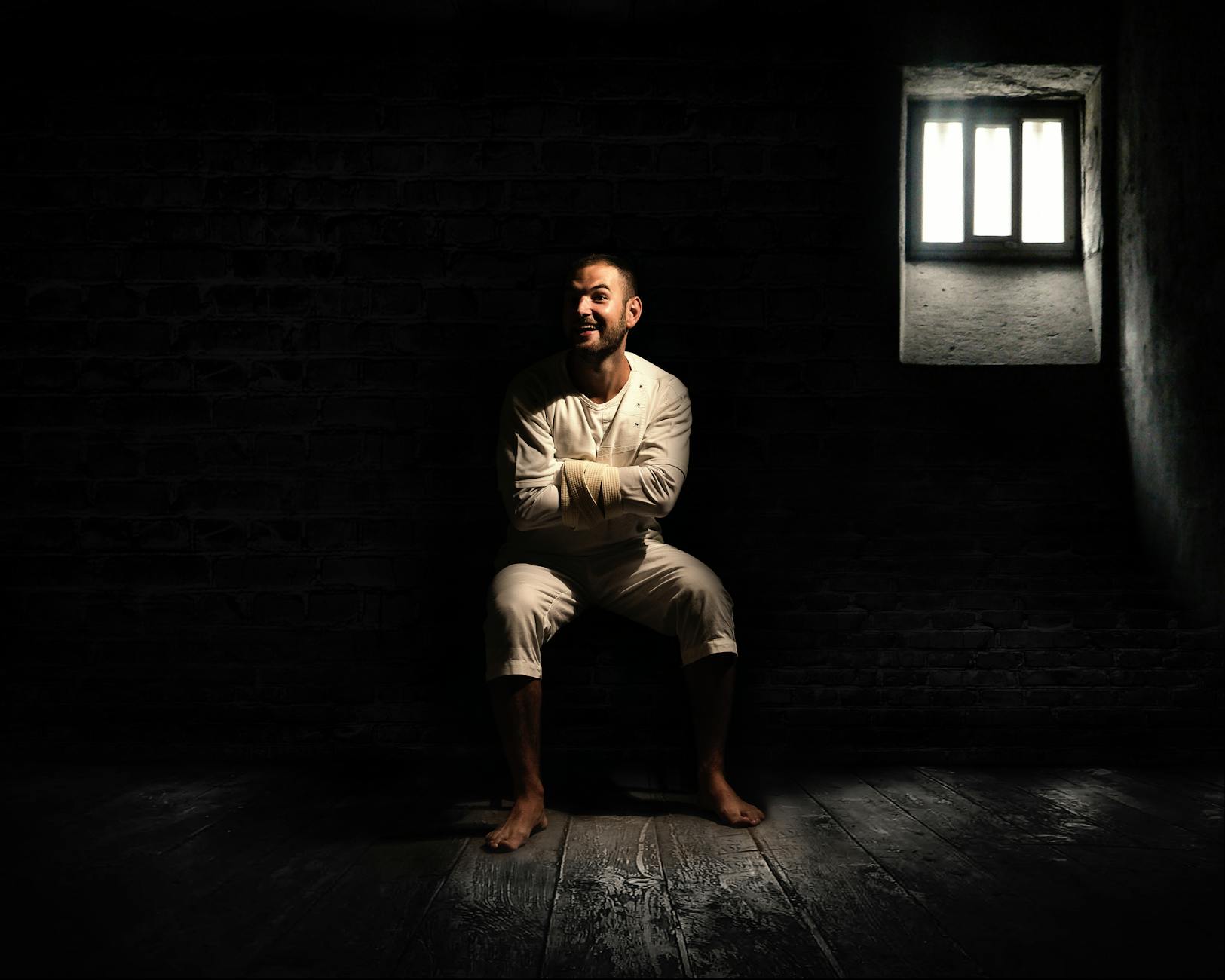
One major trope is the depiction of neurodivergent individuals as inherently dangerous. This stereotype is not only harmful but also unoriginal. It paints a narrow picture, ignoring the vast spectrum of human experience. Such portrayals can reinforce societal fears, casting those with mental illnesses in a negative light.
Think about how often you’ve seen the “mad villain” in horror. This character is usually portrayed as a threat due to their mental state. It’s an easy plot device, but it misses the mark on representing real people. By continuing to use this trope, writers risk alienating audiences who crave authenticity.
Instead, focus on crafting characters with depth and nuance. Show their struggles and strengths without resorting to violence as a defining trait. Here’s the key insight: complexity leads to more engaging stories. For examples of how to do this right, read Exploring Mental Health in Horror Fiction: Crossover & Representation By Alice Sewell.
Asylum Horror Clichés
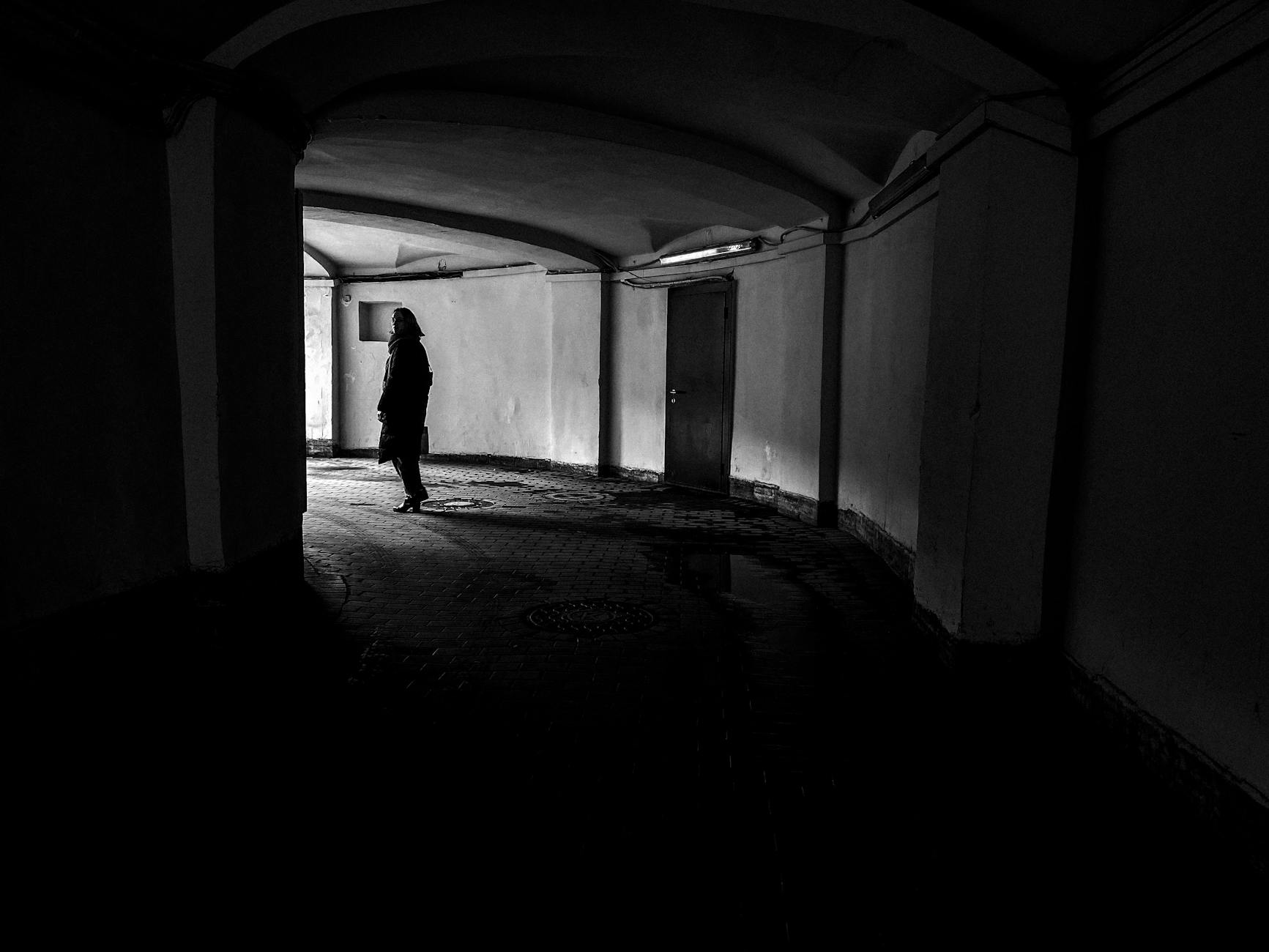
Another trope to be wary of is the asylum setting. Historically, horror has used asylums as a backdrop for terror. While the eerie atmosphere can be compelling, it often relies on misinformation. These stories perpetuate the idea that mental health facilities are frightening places, filled with chaos and danger.
Films and books often depict asylums with dim lighting and shadowy figures. Patients are shown as out of control, feeding into stereotypes of unpredictability and violence. This portrayal does a disservice to the reality of mental health care and those who work within it.
Consider shifting your focus. Instead of using an asylum as a source of fear, explore the stories within. Highlight the resilience and humanity of those who navigate mental health challenges. This approach not only enriches your narrative but also promotes understanding.
Alternative Portrayals in Horror Fiction
Creating alternative portrayals begins with understanding. Instead of relying on tired tropes, delve into character development. Show neurodivergent individuals as multifaceted beings, not defined solely by their mental health. Highlight their unique perspectives and strengths.
For instance, a character with anxiety can navigate a haunted setting with heightened awareness. This trait, often seen as a hindrance, becomes a gift. By flipping the narrative, you provide readers with a fresh perspective. This not only engages your audience but also challenges preconceived notions.
Consider researching real-life experiences to inform your characters. This adds authenticity and depth to your storytelling. Remember, the longer you wait to embrace these changes, the more you miss out on connecting with your readers. Need more ideas? The Tandem Collective offers insights into crafting such narratives.
Highlighting Complexity and Humanity
Finally, focus on complexity and humanity. Characters with mental health challenges have stories worth telling. By representing their struggles and triumphs, you create rich narratives. Show their journey, not just the destination.
Most people think horror is all about scares. But the best horror delves into the human condition. It explores what makes us tick, what we fear, and what we hope for. By highlighting the complexity of neurodivergent characters, you elevate your storytelling.
Here’s the key takeaway: empathy enriches horror fiction. It invites readers to step into the shoes of your characters. The result? A more engaging and thought-provoking story. By challenging common beliefs, you pave the way for a new era of horror.
In conclusion, horror fiction has the power to reshape perceptions. By avoiding harmful tropes and embracing empathetic portrayals, you craft stories that resonate. Let your narratives challenge and inspire. Your readers will thank you.


I’d love to hear what you think, please comment below.