
Weight loss in Stephen King’s Thinner isn’t just about shedding pounds; it’s a haunting symbol of how society judges bodies. This novel wraps fatphobia, illness, and guilt into a chilling story that exposes deep fears around physical decay and control. By exploring the protagonist’s terrifying decline, we’ll see how Thinner uses the weight loss metaphor to reveal uncomfortable truths about the harsh moralities tied to appearance.

Fatphobia in Stephen King’s Thinner
Thinner takes a bold look at fatphobia.
The protagonist’s dramatic weight loss isn’t celebrated. Instead, it’s a curse that reveals society’s harsh views. His body becomes a battleground, reflecting how people often view overweight individuals. This idea isn’t new. Many stories highlight the stigma of being different. King’s novel stands out by weaving horror into this narrative. It challenges you to question your own biases.
The novel forces readers to confront uncomfortable truths. It shows how society punishes those who don’t fit the mold. The protagonist’s shrinking body becomes a symbol of society’s obsession with thinness. As the pounds fall away, so do the layers of societal acceptance. This is where the real horror lies: realizing how deeply ingrained these attitudes are.
To see similar discussions, check out this Reddit thread on Stephen King’s works.
Body Image and Societal Judgment
When weight loss is driven by fear, it takes on a darker tone. In Thinner, the protagonist’s transformation is a mirror to societal judgment. Each lost pound is a reminder of how society values bodies. People often chase the ideal body without understanding the consequences. King’s story peels back these layers, revealing the emptiness of such pursuits.
Body image issues impact everyone. The pressure to conform can lead to self-doubt and guilt. Thinner illustrates this through horror. As the character wastes away, so does his sense of self. This decay isn’t just physical; it’s moral. The more he loses, the more he realises the cost. It’s a chilling reminder of how appearances can dictate one’s worth.
Illness and Guilt in Horror Narratives
Illness and guilt are staples in horror narratives, but Thinner takes it to another level. The curse of weight loss becomes a reflection of internal guilt. The protagonist must face his actions and the consequences they bring. This isn’t just about losing weight; it’s about losing control. The horror lies in the realization that some things can’t be undone.
King uses illness as a metaphor for guilt. The protagonist’s failing body is a constant reminder of his past misdeeds. This theme resonates with many readers. It challenges you to consider the weight of your actions. The story becomes a moral tale, warning against the dangers of unchecked desires.
For academic perspectives on these themes, read Embodied Fat Stigma and Health Beliefs About Exercise and Diet by Brie Scrivner..

Bodily Decay and Horror
Bodily decay is a common horror trope, but King uses it brilliantly. The protagonist’s body becomes a site of horror, reflecting his inner turmoil. As he loses weight, his body deteriorates. This decay isn’t just physical; it’s psychological. It symbolizes the unraveling of his moral compass.
Decay in horror often signifies the loss of control. In Thinner, it’s a reminder of mortality. The protagonist’s wasting body serves as a warning of life’s fragility. This isn’t just about losing weight; it’s about losing one’s grip on reality. The story taps into primal fears, making you question your own vulnerabilities.
Fear of Losing Control
Control is a central theme in Thinner. The protagonist’s weight loss spirals beyond his grasp, highlighting the fear of losing control. This fear is universal. It taps into the anxiety of helplessness. King uses this to keep readers on edge. As the protagonist’s body changes, so does his perception of the world.
Losing control is a common fear. It manifests in various ways, from health to relationships. Thinner magnifies this fear through horror. The protagonist’s struggle becomes a reflection of society’s obsession with control. This story challenges you to examine your own fears, making it a compelling read.
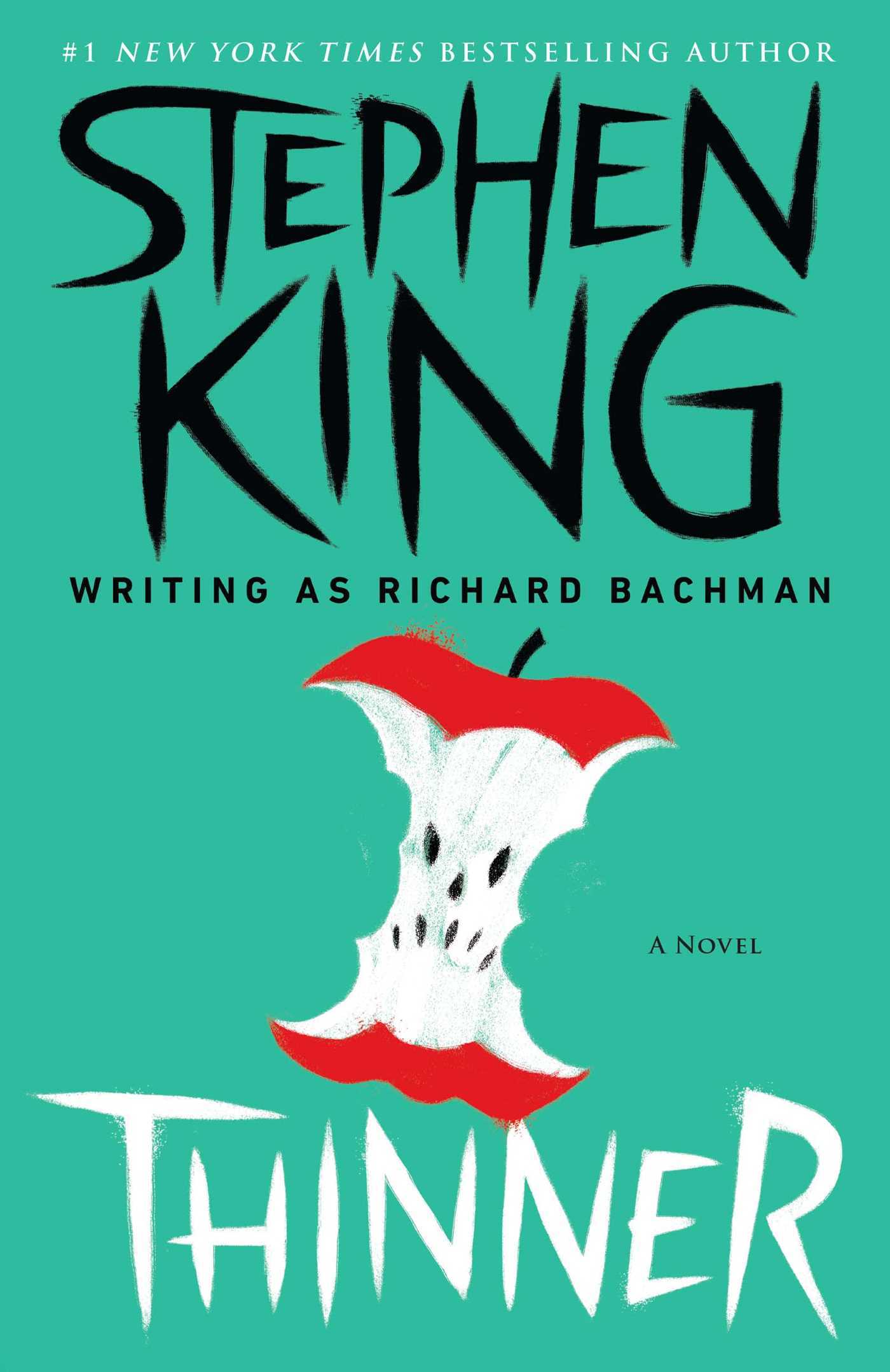
Weight Loss as a Metaphor
In Thinner, weight loss is more than a physical change. It’s a metaphor for deeper societal issues. The protagonist’s shrinking body reflects society’s obsession with image. This metaphor challenges readers to question their own perceptions. Weight loss in the story becomes a symbol of societal judgment. The protagonist’s transformation highlights the pressure to conform. This metaphor resonates with many readers, offering a fresh perspective on body image. King’s use of this metaphor adds layers to the narrative, making it a thought-provoking read.
Congenital Horror Elements
Congenital horror elements are woven throughout Thinner. These elements add a layer of terror to the story. The protagonist’s deteriorating condition serves as a reminder of the horrors within. This idea challenges readers to confront their own fears. Congenital horror taps into primal fears. It magnifies the terror of losing control over one’s body. In Thinner, this horror is ever-present, reminding readers of their vulnerabilities. This theme is universal, resonating with anyone who’s faced their own fears.


I’d love to hear what you think, please comment below.