
Across history, people have faced threats from unseen malevolent forces and misfortune that could upend their lives. Protective rituals have stood as powerful shields, shaping cultural practices that blend practical defense with deep meaning. From amulets to purification ceremonies and boundary markings, these traditions reveal how communities safeguard not just themselves but their shared identity. Let’s explore the stories behind these rituals and what they tell us about human resilience and connection.

The Role of Amulets
Amulets have long been seen as small yet powerful protectors. These objects are often worn or carried for safety. In ancient Egypt, amulets took the form of scarabs or symbols of gods believed to offer protection. These items were not just decorative; they had deep cultural significance. In many cultures, amulets are crafted with specific materials believed to hold protective properties. For instance, some use stones or metals that are thought to repel malevolent forces. You might wonder how a simple object can hold such power. It’s all about belief and tradition. These objects carry stories and energies passed down through generations.
Purification Ceremonies Explained
Purification ceremonies play a crucial role in cleansing environments and individuals. These rituals often involve water, smoke, or sacred chants. In Native American cultures, smudging with herbs like sage is a common practice to cleanse spaces of negative energy. These ceremonies are not just about physical cleanliness. They also focus on spiritual renewal. Participants often feel a sense of peace after such rituals. It’s fascinating to see how these practices create a sense of calm and protection in chaotic environments. This process of cleansing is a testament to the belief in starting anew.
Marking Boundaries for Protection
Creating boundaries is another method societies use to safeguard their spaces. These boundaries can be physical or symbolic. In medieval times, city walls served as a literal barrier against invaders. These walls were more than just stone; they represented safety and community unity. In modern settings, people create boundaries using symbolic markers. Gardens, fences, or even painted lines can serve as protective barriers. It’s interesting how such boundaries provide a sense of security in both physical and psychological terms. This act of marking territory shows a universal desire to protect what one values.
Safeguarding Traditions and Identity
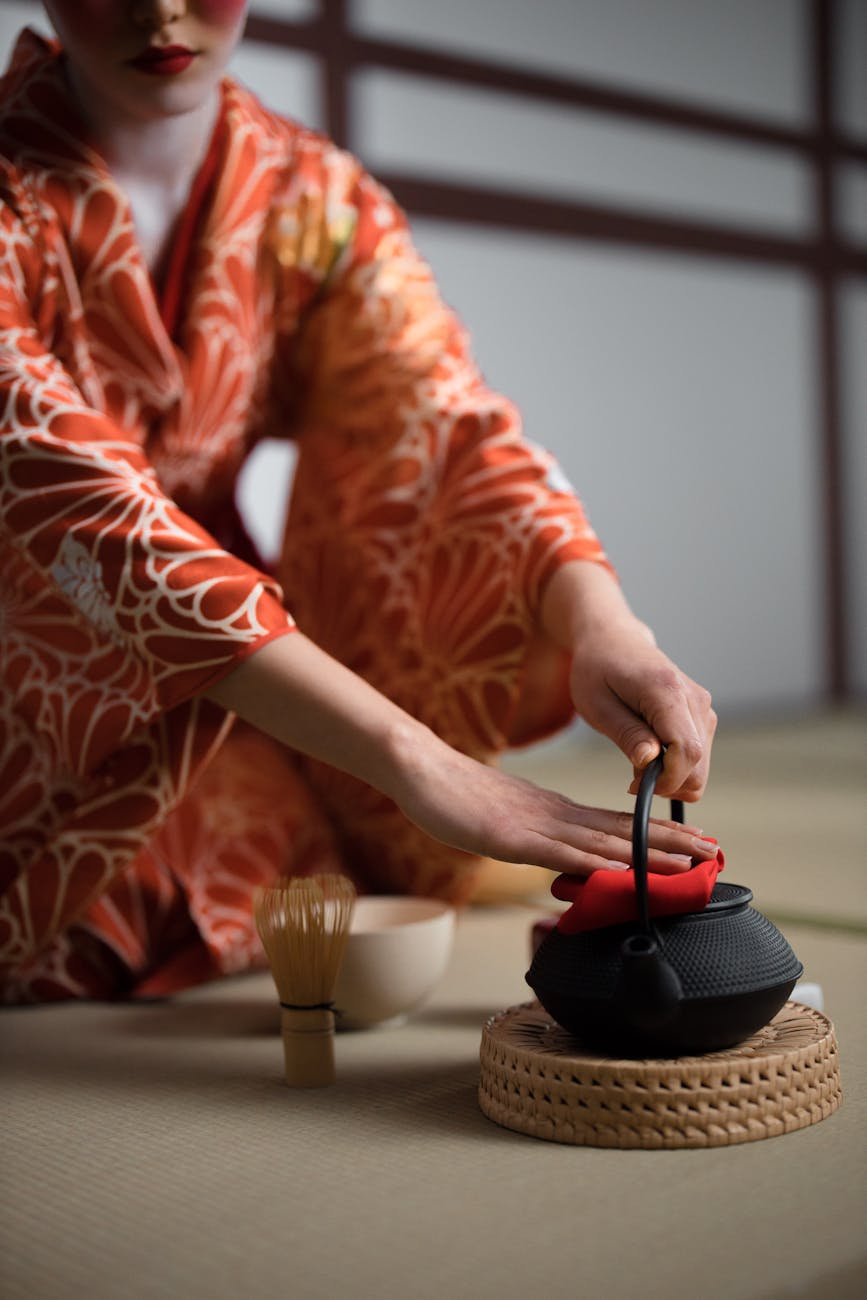
Traditions play a vital role in preserving identity. They connect communities to their past and offer a sense of continuity. For example, the Japanese tea ceremony is more than a ritual; it is a link to cultural heritage. This ceremony embodies respect, tranquility, and simplicity. These rituals are not static; they evolve with time. As communities grow, their practices may adapt, but the core values remain. This flexibility ensures that traditions remain relevant. It’s through these practices that communities maintain their unique identities while welcoming change.
Community Bonds Through Rituals
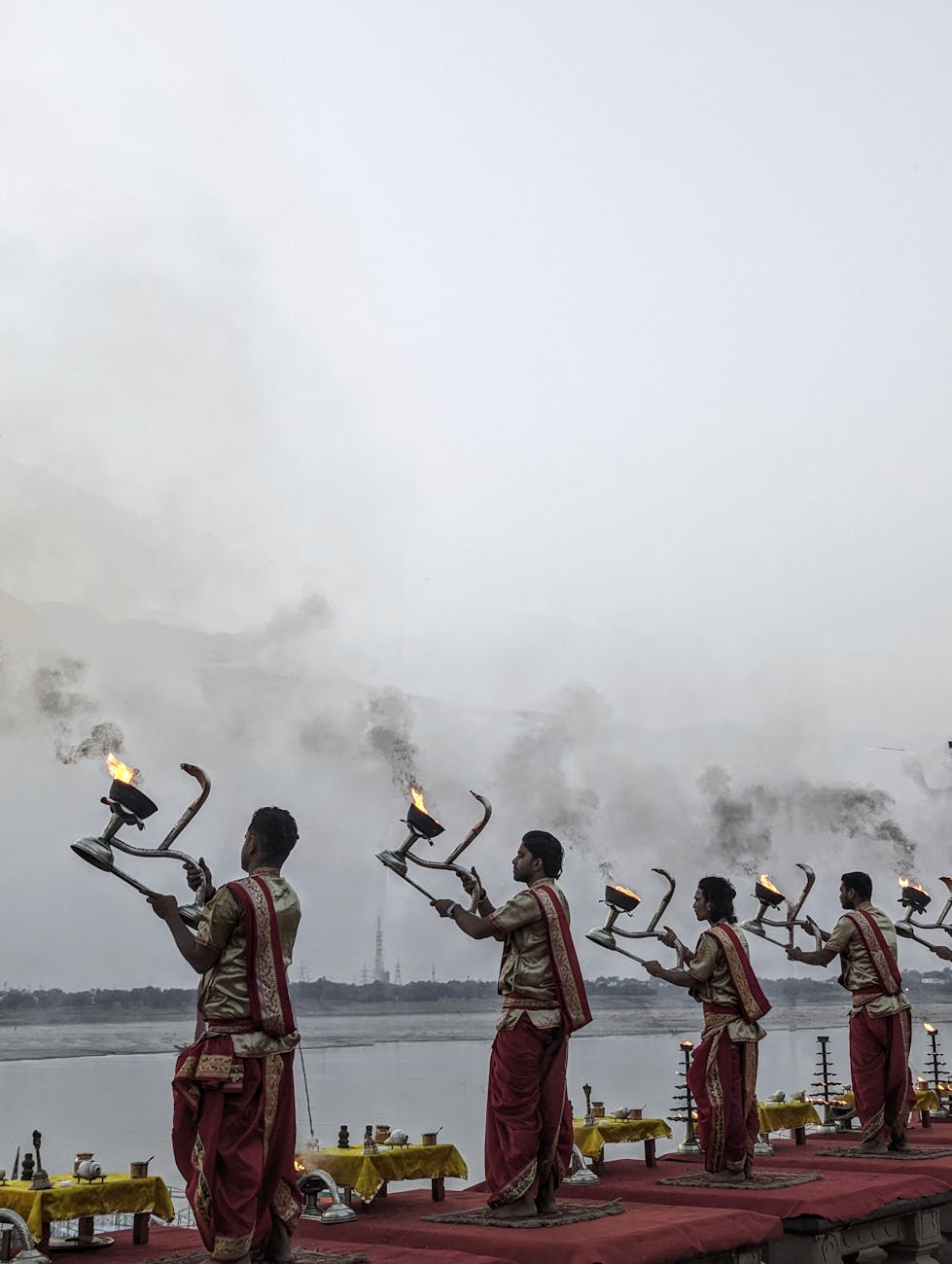
Rituals often involve communal participation, which strengthens bonds. In many cultures, festivals and ceremonies bring people together. These events are opportunities to celebrate shared beliefs and foster unity. In India, festivals like Diwali light the path to community solidarity. These gatherings are more than just celebrations. They are moments of reaffirmation for community values and connections. It’s during these times that individuals feel part of something larger than themselves. Such shared experiences create unbreakable ties among community members.
Historical Context of Protective Rituals
Examining the history of rituals reveals how they have adapted over time. Ancient Romans, for example, had rituals to appease spirits and ensure good fortune. These practices were deeply rooted in their understanding of the world and its unseen forces. Over centuries, these rituals have transformed, yet their essence remains. They are a testament to human ingenuity and adaptability. This historical perspective shows us how rituals continue to provide comfort and protection against the unknown.
Symbolism in Folklore Studies
Folklore offers a window into the symbolism behind protective rituals. Stories and myths often contain lessons about safety and survival. For instance, many tales warn of the dangers lurking beyond the safety of home. Through these stories, communities pass on wisdom and cautionary tales. They are not just entertainment; they are guides for living. Understanding these symbols helps us appreciate the depth and richness of cultural practices. It’s fascinating how tales and symbols continue to influence our perceptions and actions.


I’d love to hear what you think, please comment below.