Julia Ducournau’s Titane blurs the line between flesh and metal in a way that unsettles and challenges. The film’s body horror fusion pushes viewers to rethink gender, parenthood, and what human transformation means when technology becomes part of us. If you’re drawn to psychological drama that refuses to play it safe, you’re in for a tough but revealing watch.

Challenging Conventional Identity
In Titane, identity is not what you expect. The film makes you reconsider the familiar. Imagine a world where technology melds with the human form. This isn’t a typical exploration of self; it challenges everything you think you know. Most films play it safe, but not this one.
The protagonist’s journey is a testament to breaking norms. It makes you wonder: Are we just our bodies, or something more? The film suggests that identity might be more fluid than rigid. It questions societal norms and personal beliefs. This is not just a film, but a mirror to our inner thoughts.
Human Transformation in Titane
Transformation is a central theme in this film. The physical changes are startling. It’s not just about the body, but the mind too. How do we change when our form does? This question lingers throughout the film, inviting you to ponder your own shifts. The transformation is both literal and metaphorical. This duality keeps you on the edge of your seat. Change is inevitable, but here it feels almost alien. The director uses stunning visuals to emphasise this, making every scene a piece of art.
The Psychology of Body Horror Fusion
Body horror in Titane is not for the faint-hearted. It delves into deep psychological realms. What happens when your body no longer feels like your own? This question is central to the film and its impact on the audience is profound. The fear of losing control is palpable. Horror is not just visual here; it’s mental. The film taps into our primal fears, making it a captivating watch. Each scene is crafted to provoke thought and evoke emotion, challenging the viewer to question the boundaries of body and mind.
Exploring Gender Identity
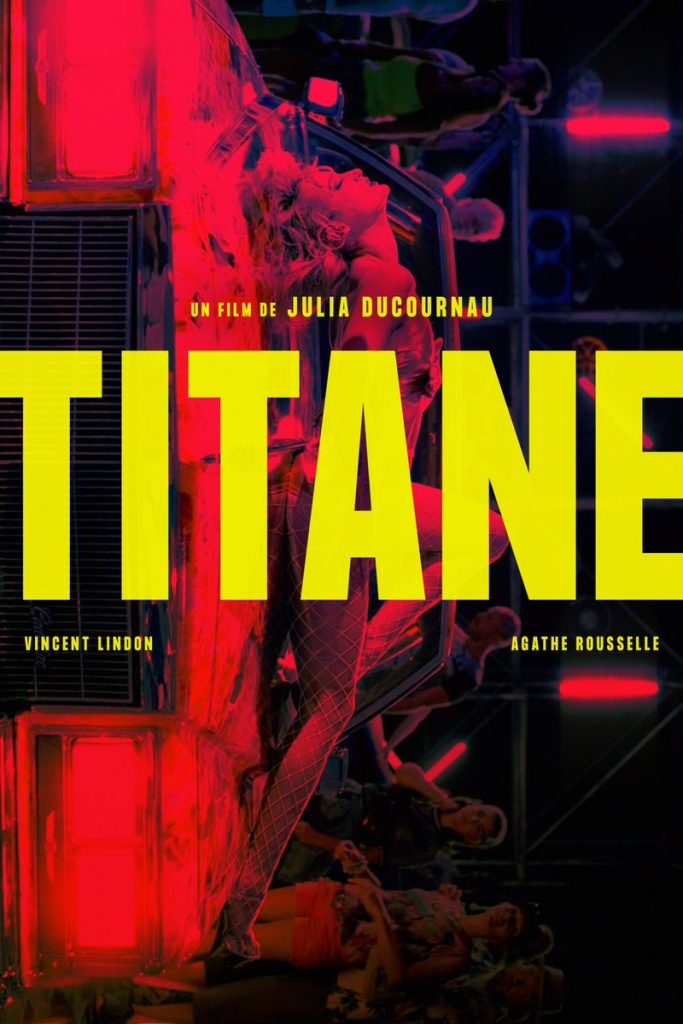
Titane boldly confronts gender norms. It portrays characters who defy conventional roles, creating a narrative rich with complexity. This film is a significant piece for those exploring gender identity in cinema. Characters aren’t bound by traditional gender lines. Their journeys are unique, each revealing a different facet of identity. The film’s approach is both refreshing and unsettling, pushing boundaries and encouraging open-mindedness.
Parenthood in Film: A New Perspective
Parenthood gets a fresh take in Titane. The film shows that being a parent is far more than biology. It presents parenthood as a complex relationship, full of unexpected turns and challenges. This perspective invites reflection on what it means to nurture and care. It goes beyond traditional narratives, showing the emotional depth and struggle inherent in parent-child relationships. It’s a narrative that resonates on many levels, offering insights into familial bonds.
The Nature of Desire in Titane
Desire is an undercurrent throughout Titane. It drives characters in unexpected ways, shaping their actions and decisions. The film portrays desire as a multifaceted force, both destructive and illuminating. Desire in Titane isn’t just about passion; it’s about longing for connection and understanding. It reveals itself in the characters’ most vulnerable moments. This exploration of desire adds richness to the narrative, inviting viewers to reflect on their own desires.
Identity and Technology in Ducournau’s Work
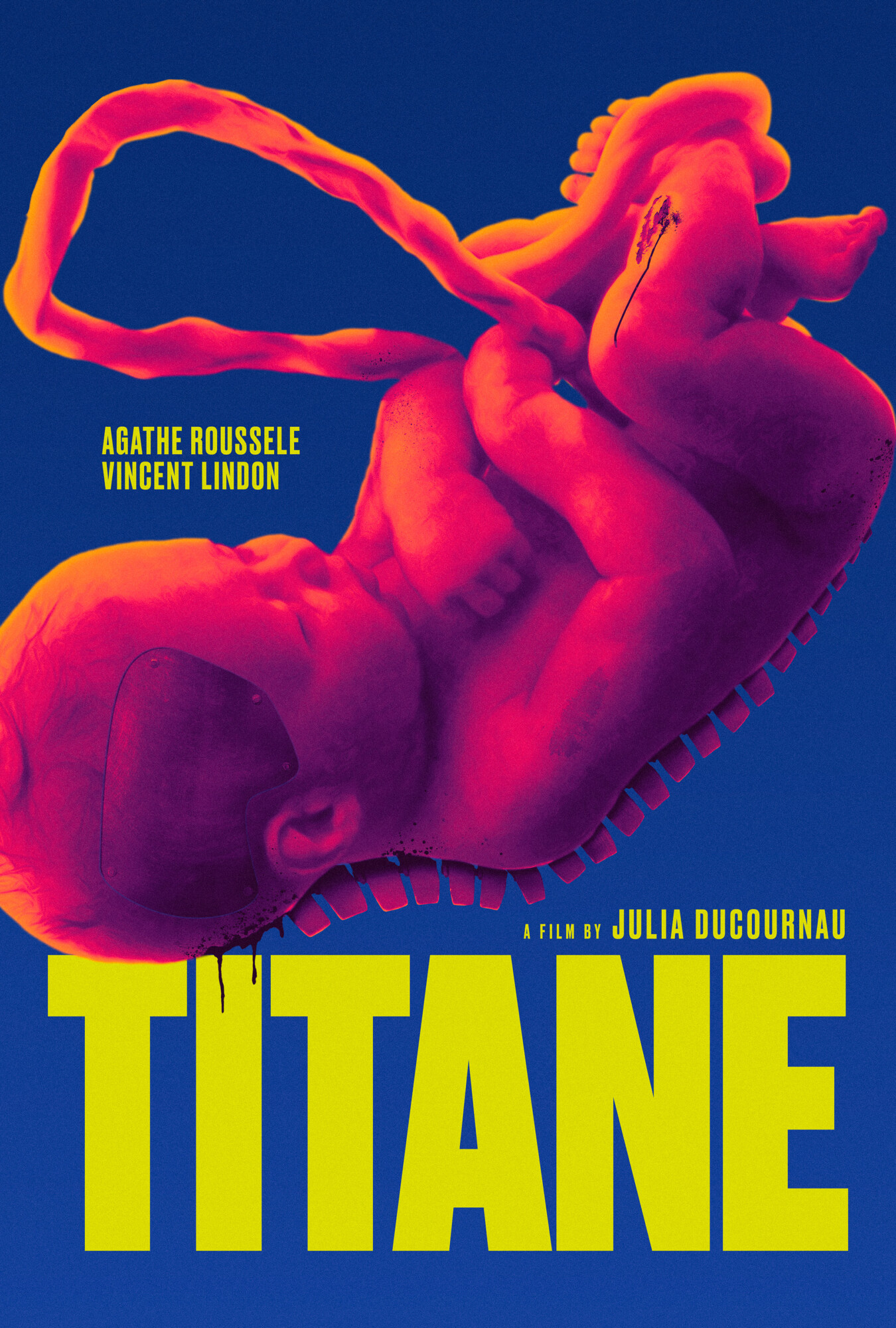
The fusion of identity and technology in Ducournau’s film leaves a lasting impression. It suggests that our relationship with technology is more intricate than we admit. Technology is ever-present, shaping who we are and who we become. Ducournau uses it as a metaphor for change, showing how deeply it influences our lives. This portrayal is both fascinating and alarming, encouraging contemplation about our tech-driven world.
The Protagonist’s Journey Through Change
The protagonist’s path is a whirlwind of change. It serves as a reminder of our own potential for transformation. This journey is not just physical but emotional, challenging viewers to think differently about change. The character’s evolution is a powerful narrative tool. It keeps you engaged, wondering what will happen next. Change is constant, and the film captures this beautifully, inviting audiences to embrace the uncertainty that comes with it.


I’d love to hear what you think, please comment below.