
Loneliness and fear don’t just live in nightmares; they can quietly take hold in your daily life. Laughing Jack captures the raw edge of social anxiety and isolation, showing how these feelings twist reality for the protagonist. This creepypasta analysis on Scary for Kids.com peels back the layers of psychological horror to reveal the dark truth behind the horror narrative and the struggle with mental health many face in silence.

Social Anxiety and Loneliness
Imagine feeling alone, even in a crowded room. That’s the essence of social anxiety, a condition many struggle with silently. In Laughing Jack, the protagonist’s growing isolation illustrates these feelings vividly. You see how loneliness can distort what is real. Feeling cut off from others, simple interactions become daunting tasks.
Social anxiety often leads to a cycle. The fear of judgment makes you withdraw, which only deepens the loneliness. This is seen in the story, where the protagonist is caught in their own web of fear. More than 40% of people with social anxiety report feeling isolated, showing how widespread this issue is.
Through the narrative, we learn that addressing these feelings is crucial. Without understanding, loneliness can become a breeding ground for fear, much like the twisted reality in the story.
Psychological Horror Elements
The unsettling elements of psychological horror are what make Laughing Jack so compelling. Unlike traditional horror, psychological horror plays with your mind. It uses your fears against you, creating tension without the need for constant jump scares.
In this creepypasta, everyday situations turn sinister. The protagonist’s mind becomes the battleground. The audience witnesses how fear warps reality, making ordinary objects seem menacing. The story illustrates how psychological horror taps into deep-seated fears, making you question what’s real.
This genre often leaves you with lingering unease. You wonder if the terror comes from outside forces or internal demons. This ambiguity keeps the fear alive, long after the story ends. Most people think horror needs to be graphic, but here, subtlety is the true terror.
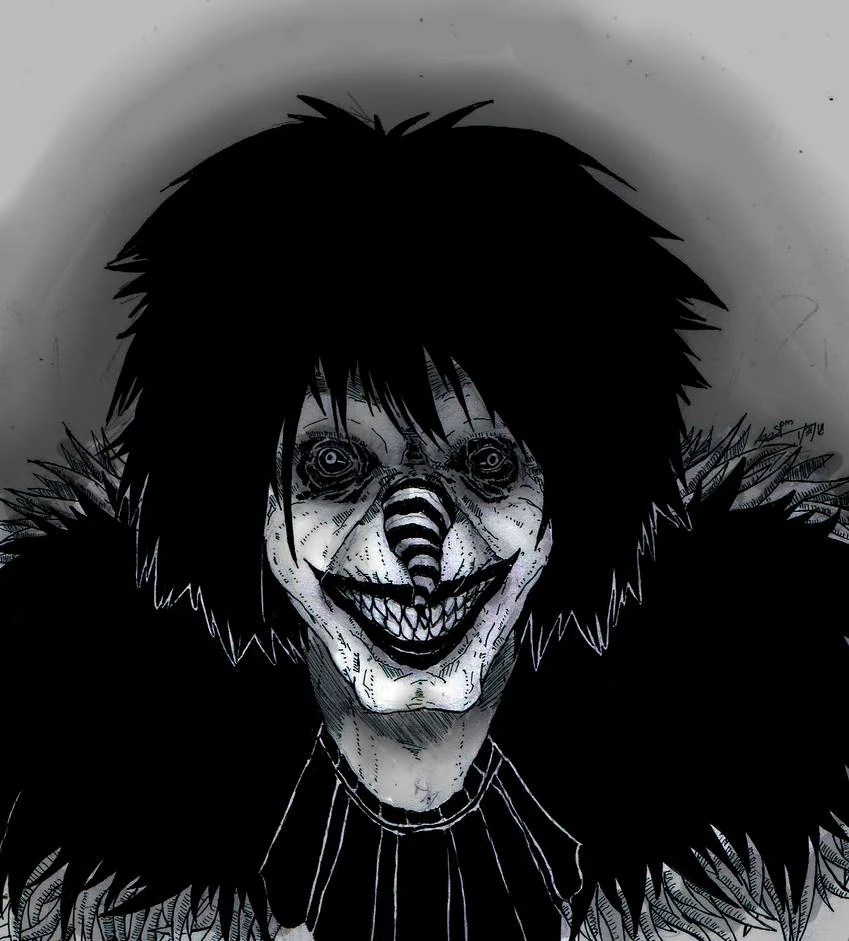
Unsettling Relationships Explored
The protagonist’s interactions highlight how fear can poison connections. Trust crumbles, and suspicion grows. You see how isolation skews perception, turning friends into foes. In real life, strained relationships can heighten your sense of alienation. The story presents this through the protagonist’s growing paranoia. Misunderstandings spiral out of control, illustrating how fear can lead to self-imposed isolation. This mirrors real-world struggles of those with social anxiety, where relationships can feel like minefields.
By understanding these dynamics, you grasp how fear can distort even the most familiar bonds. It’s a reminder that maintaining connections is essential to combat loneliness and fear. Most people assume only grand gestures matter, but even small efforts can bridge gaps.
Alienation and Perception Distorted
The story’s depiction of alienation offers a stark look at how isolation affects perception. The protagonist’s world shifts as loneliness takes hold. Ordinary events become twisted, seen through a lens of fear. This distortion of reality is common in psychological horror. It reflects how your mind can betray you when you’re isolated. The protagonist’s experiences serve as a cautionary tale, showing how unchecked loneliness can lead to a warped worldview. The audience sees how fear magnifies alienation. It’s a powerful illustration of how your mind can create its own monsters. Understanding this helps you recognise the importance of addressing feelings of isolation before they take over.
Mental Health Reflections
The narrative of Laughing Jack can be read to mirror real-world mental health challenges. The protagonist’s journey highlights the internal battles many face. The story is more than a horror tale; it’s an allegory for mental health struggles. You see how unchecked emotions can spiral, leading to isolation. This reflection emphasises the importance of seeking help. Over 60% of people with mental health issues don’t seek treatment, reflecting the struggle shown in the story. Through the protagonist’s experiences, the tale encourages understanding and empathy. It urges you to look beyond the surface, recognizing the silent battles others may be fighting. This narrative serves as a reminder to address mental health with compassion.
Fear and Loneliness Amplified
The story amplifies feelings of fear and loneliness, illustrating their powerful effect on the mind. Laughing Jack captures how these emotions can consume you, altering reality. The protagonist’s descent into fear highlights how loneliness can magnify insecurities. It’s a stark warning of what can happen when you’re cut off from support. The story shows that confronting fears is crucial, or they might take control. By examining this narrative, you gain insight into the profound impact of fear and loneliness. It’s a call to action: address these emotions before they take root. Most people underestimate their power, but stories like this remind you of their real-world implications.


I’d love to hear what you think, please comment below.