
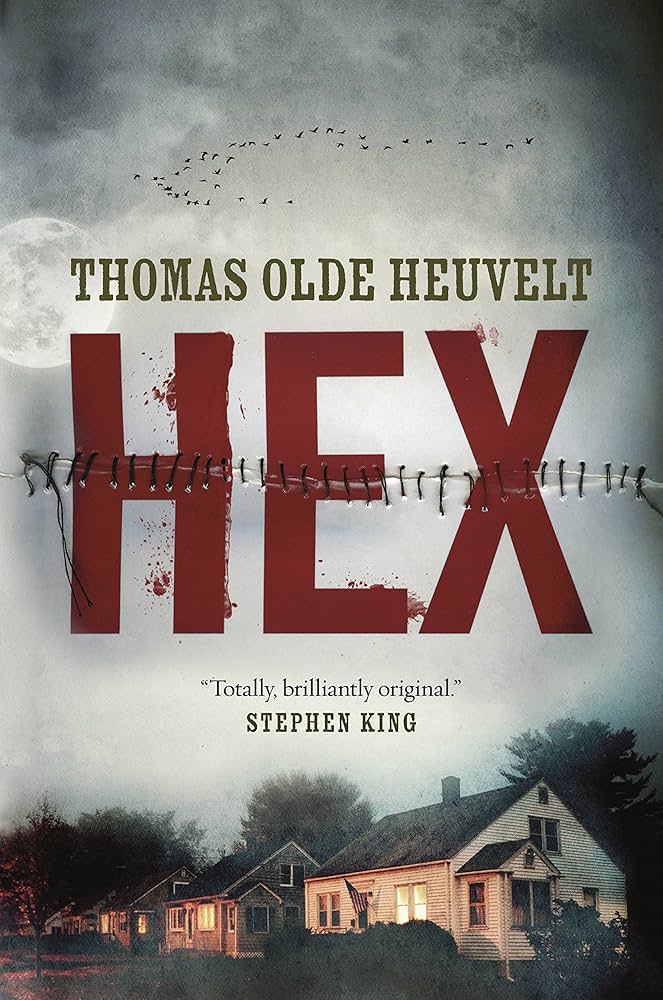
The fear of the unknown can shape entire communities, and Thomas Olde Heuvelt’s Hex captures this with chilling precision. In this Hex review, you’ll see how the witch becomes a metaphor for social exclusion, reflecting deep community anxiety about those who don’t fit the mold. As the town struggles to control what it sees as abnormal, the story exposes the harsh costs of intolerance and conformity.

Social Exclusion in Literature
In Hex, the witch’s presence is more than just a typical horror element. She’s a haunting figure that embodies the fears of a community unwilling to embrace difference. As you explore this chilling narrative, notice how the witch isn’t merely a monster. Instead, she represents those who don’t fit societal norms, much like many real-life stories where the unknown is shunned. This metaphor is not new in literature. Think about Frankenstein’s creature or Boo Radley from To Kill a Mockingbird. These characters, much like the witch in Hex, serve as mirrors, showing us our biases. They question our tendency to ostracize rather than understand. The next time you read a book featuring an outsider, consider what they truly represent.
Abnormality in Society
The witch in Hex challenges what we see as normal. Her existence disrupts the town’s sense of order, causing panic and fear. Here, you see how society often defines normality by excluding those who differ. The townspeople’s attempts to control the witch symbolize efforts to squash what they don’t understand. When society dictates what is normal, it creates invisible boundaries. These boundaries can trap individuals and communities alike. Instead of fostering understanding, they breed fear. This fear can spiral into hysteria, as seen in the town’s reaction to the witch. Consider how often society labels those who are different as abnormal. These labels can lead to exclusion and isolation, affecting both the labeled and the labelers.
Community Anxiety Explored
The witch’s presence in Hex taps into the town’s deepest fears. This anxiety isn’t just about the supernatural but also about losing control. Imagine living in a place where an ancient curse is a daily reality. The pressure to maintain normalcy becomes overwhelming. The witch stands as a constant reminder of what lies beyond the town’s control. This creates a tense environment where every citizen feels the weight of potential doom. Such anxiety can lead people to make irrational decisions, often hurting those they aim to protect. The need to control becomes suffocating, overshadowing the community’s peace. This fear of the unknown drives them to act against their best interests, highlighting how anxiety can warp judgment.
The Price of Intolerance and Conformity
Intolerance in Hex comes with steep costs. As the town strives to maintain conformity, it sacrifices empathy. Picture a community where anything different is a threat. This mindset leads to a culture of exclusion, where individuals fear stepping out of line. The witch, though a fictional character, paints a vivid picture of real-world consequences. In many societies, intolerance leads to discrimination and exclusion. The longer these attitudes persist, the deeper the divide becomes. The town’s actions show how pushing for conformity can tear at the very fabric of community bonds. This drive for uniformity often results in lost opportunities for growth and understanding.
Boundaries of Acceptance and Ostracism
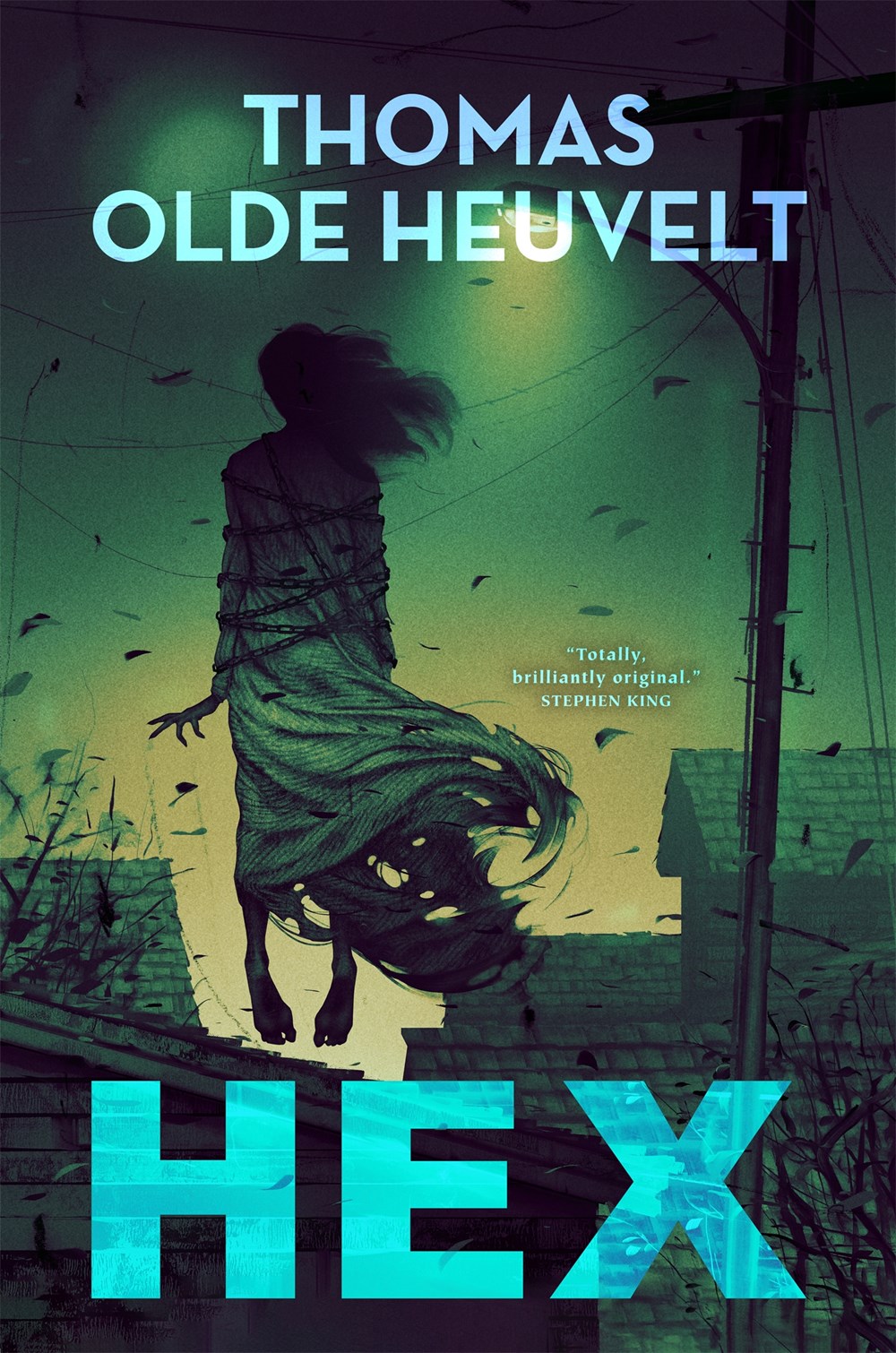
Acceptance in Hex is conditional. The town’s residents live within strict boundaries, where stepping out means ostracism. The witch’s presence magnifies these boundaries. She becomes a scapegoat for the town’s fears, highlighting how communities often create divides. Within these boundaries, there’s little room for deviation. Stepping outside these lines can lead to social isolation. This rigid structure isn’t unique to Hex. Many communities, real and fictional, draw similar lines. These lines dictate who belongs and who doesn’t. They become a way to control and maintain order, often at the cost of individuality. Consider how these boundaries affect personal freedom and creativity. When people are forced to conform, society loses diverse perspectives.
Consequences of Social Exclusion
Social exclusion in Hex leads to a cascade of devastating effects. The town’s quest to rid itself of the witch results in unintended consequences. As exclusion deepens, unity crumbles. This is a lesson in how ostracism harms both the excluded and the excluders. Isolation breeds resentment. Over time, these feelings can erupt, causing harm to the community. The witch’s story in Hex serves as a stark reminder of the dangers of pushing others away. Her presence highlights the need for empathy and understanding. By recognizing and addressing exclusion, communities can foster a more inclusive environment. The witch’s tale urges you to reflect on how exclusionary practices might be affecting your own community.


I’d love to hear what you think, please comment below.