
The 2014 Spring movie reveals a rare mix of Lovecraftian elements with sci-fi romance, set against a quiet Italian town. The protagonist’s mutation isn’t just monstrous; it’s also deeply romantic, blurring the lines between fear and desire. Let’s dive into the heart of “Spring,” a film that weaves a unique tapestry of horror and romance in a way that challenges our thoughts on transformation.
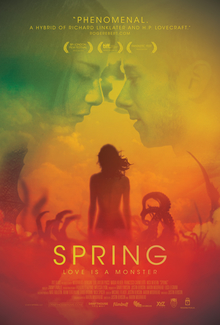
Lovecraftian Elements in Spring
The film “Spring” introduces you to a world filled with mystery and dark wonder. It echoes the cosmic horror of Lovecraft’s universe, where unknown forces seep into everyday life. In the quiet Italian town, the film crafts an atmosphere that feels both familiar and otherworldly. The protagonist’s experiences unravel amid scenic vistas that hold secrets beneath their beauty. The setting itself becomes a character, whispering tales of ancient mysteries. You’ll find yourself questioning what lies beyond the surface of what you see.
Lovecraftian elements in the film aren’t just about fear of the unknown; they explore the beauty in embracing it. The protagonist’s encounters with the uncanny reveal a world where fear and allure coexist. This captivating blend keeps you on edge, pondering what might linger in the shadows.
Sci-Fi Romance and Horror
“Spring” sets itself apart by blending sci-fi romance with elements of horror. This fusion creates a narrative that’s both intriguing and unsettling. You’ll find yourself drawn into a story where love defies boundaries, even when it means facing terror.
In this tale, the romance isn’t confined to sweet moments; it thrives in the face of monstrous challenges. The characters’ connection is tested by truths that would deter many. This dynamic pulls you in, making you root for them even when the odds seem overwhelming. As the plot unfolds, fear doesn’t overshadow love but amplifies its intensity. The stakes are high, and every revelation keeps you guessing. By balancing these themes, the film invites you to explore the deeper meanings of love and fear. It asks whether true connection can flourish amid chaos.
Body Transformation in Film
“Spring” redefines how transformation is portrayed in cinema. It goes beyond physical change, delving into the emotional and psychological aspects. The protagonist’s metamorphosis serves as a metaphor for love’s dual power: to create and to destroy. This isn’t just about altering appearances but embracing the change within. The film challenges conventional narratives by portraying transformation as a journey of discovery. As the protagonist evolves, so does your understanding of what it means to accept oneself.
Visual aesthetics play a crucial role in illustrating this transformation. The film uses its cinematic style to reflect the inner turmoil and beauty of change. By doing so, it presents a narrative that questions societal norms and encourages viewers to see transformation as an opportunity for growth.
In conclusion, “Spring” stands as a testament to the complex interplay of fear and desire. It invites you to reconsider your perceptions of the “Other” and what it means to truly embrace change. This film is more than a story; it’s an exploration of the human condition through the lens of love and horror.


I’d love to hear what you think, please comment below.