
Decapitation myths have long haunted cultural legends as stark symbols of retribution. You might think these stories are just gruesome tales, but they reveal how poetic justice folklore uses severed heads to mark consequences that go beyond mere punishment. By looking at retribution tales from ancient warriors to vengeful spirits, you’ll see how decapitation stands as a chilling reflection of societal morals and the powerful grip of divine justice. The severed head often appears in folklore, capturing imaginations with its eerie symbolism. These stories reveal much about cultural beliefs.
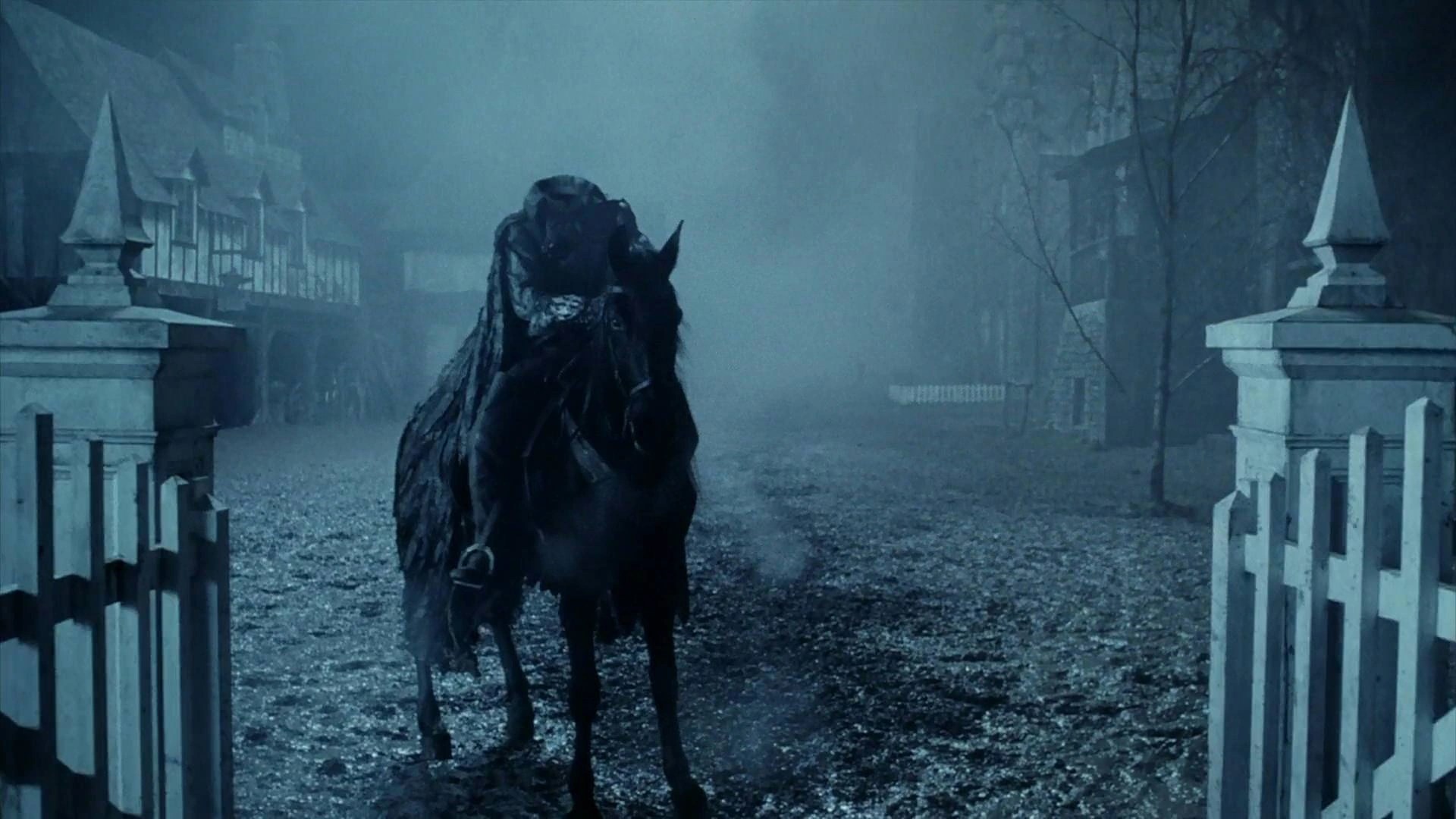
Poetic Justice in Legends
Imagine a world where justice comes with its own chilling signature. In many tales, decapitation marks the ultimate balance between crime and punishment. These stories often present a wrongdoer meeting a fate that precisely fits their misdeeds, sending shivers down your spine.
Consider the legendary tale of the Green Knight, who challenges Sir Gawain. When Gawain beheads him, the Knight simply picks up his head and rides away, setting a mysterious challenge. This narrative shows how a simple act can spiral into a complex moral lesson. It’s not just about the physical act but the deeper meaning that follows. Such tales keep you on edge, linking justice with a haunting reminder of one’s errors. Stories like these serve as a warning. They suggest that while you may escape immediate consequences, the true balance of justice might be waiting. Most people think they understand justice, but these tales twist that perception, leaving you pondering the real meaning of right and wrong.
Vengeful Spirits and Retribution
Vengeful spirits often haunt these myths, driven by their quest for justice. Their presence in stories serves as a chilling reminder of actions’ consequences. In numerous cultural legends, spirits return to claim vengeance on those who wronged them. These spirits, often depicted as headless, roam the earth, symbolizing unresolved justice. Take the tale of the Headless Horseman, who seeks retribution in the dead of night. His story warns of the relentless pursuit of justice, no matter how much time passes.
Such haunting figures reflect societal fears and hopes. They show that justice isn’t just a mortal concern but a cosmic force that transcends life and death. This narrative leaves you questioning the boundaries of justice: Can it ever truly be escaped? The answer lies hidden within these chilling tales, urging you to consider the weight of your actions.
Societal Morals and Divine Justice
The intertwining of decapitation myths with societal morals reveals much about human nature and beliefs. These stories often depict a divine balance of justice. In many cultures, divine justice stands as an unyielding force, righting wrongs through supernatural means. These tales suggest that a higher power ensures justice prevails, regardless of earthly interventions. One example is the tale of Medusa, whose gaze turned mortals to stone. Her eventual beheading by Perseus wasn’t just a heroic act but a manifestation of divine justice.
Such stories speak to the human desire for fairness, even when it involves harsh measures. They imply that while human justice may falter, divine justice remains steadfast. This belief in a higher balance challenges the notion that justice is purely human-made, pushing you to rethink how justice operates on a cosmic scale.
In conclusion, decapitation myths offer more than just eerie tales, they provide a lens to explore justice’s depths. From poetic justice to vengeful spirits, these stories captivate and invite reflection on morality and divine intervention. The longer you ponder these legends, the more you uncover the intricate dance between right and wrong.


I’d love to hear what you think, please comment below.