
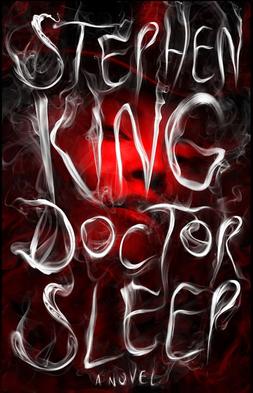
Stephen King’s Doctor Sleep turns the usual horror script upside down by placing ageing and mental health at its core. You won’t just find scares here; you’ll see how vulnerability becomes a powerful lens for empathy and identity. This blog unpacks King’s nuanced character development and how he challenges societal perceptions of ageing while weaving mental decline into his chilling tale. Get ready to rethink horror through a more human lens. Stephen King, known for his chilling tales, takes a unique path in Doctor Sleep. Here, vulnerability is not just a fear factor but a route to empathy. The story breaks the mould by inviting you to see horror through the eyes of those often overlooked.
Humanizing the Vulnerable
In Doctor Sleep, King turns the spotlight on those who society often sidelines. His characters battle aging and mental struggles, yet they are not mere victims. They are portrayed with dignity and depth. You feel their fears but also their strength. Older characters are not just background figures. They drive the story and engage you in a profound way.
Consider Danny Torrance, a central figure who carries the scars of his past. His journey is not just about overcoming external threats. It’s about facing inner demons, a theme that resonates deeply. Readers find themselves rooting for him not just to survive but to heal. This portrayal invites us to reconsider our views on ageing and mental health. The characters’ struggles are relatable, making the horror more personal yet insightful.
For more insights on King’s portrayal of ageing, explore this article on Medium.com by Harper Smith.
Cognitive Decline in Fiction
Cognitive decline is often a backdrop in horror, yet King makes it a focal point. He weaves mental health into the narrative, making it both a source of fear and empathy. This approach challenges our perceptions of mental decline. Instead of just evoking pity, it evokes understanding and connection. King’s characters with cognitive challenges are not just there to scare. They offer a mirror to our own vulnerabilities. By showing their inner worlds, King asks you to question your assumptions. Most people might see these characters as weak, but in King’s hands, they become complex figures. The longer you read, the more you realize the story’s depth. It’s not just about fear. It’s about confronting real-world issues within a supernatural context. This blend of horror and humanity enriches the narrative, making Doctor Sleep not just a thrilling read but a meaningful one.
In summary, Doctor Sleep goes beyond typical horror tropes. It challenges societal views on aging and mental health, turning vulnerabilities into strengths. This approach makes it a story worth exploring, not just for scares but for its poignant reflection on empathy and identity.


I’d love to hear what you think, please comment below.