
Some people may miss the deeper message behind District 9’s alien body mutation. These physical changes aren’t just sci-fi effects; they can be read to reflect real societal attitudes towards disability and marginalisation. This District 9 analysis shows how the film reveals prejudice and challenges us to rethink our views on difference, dehumanisation, and inclusion. “District 9” cleverly uses alien transformations to explore themes of discrimination and this narrative strategy can help viewers reconsider their own biases. Let’s delve deeper into how these extraterrestrial changes serve as a metaphor.
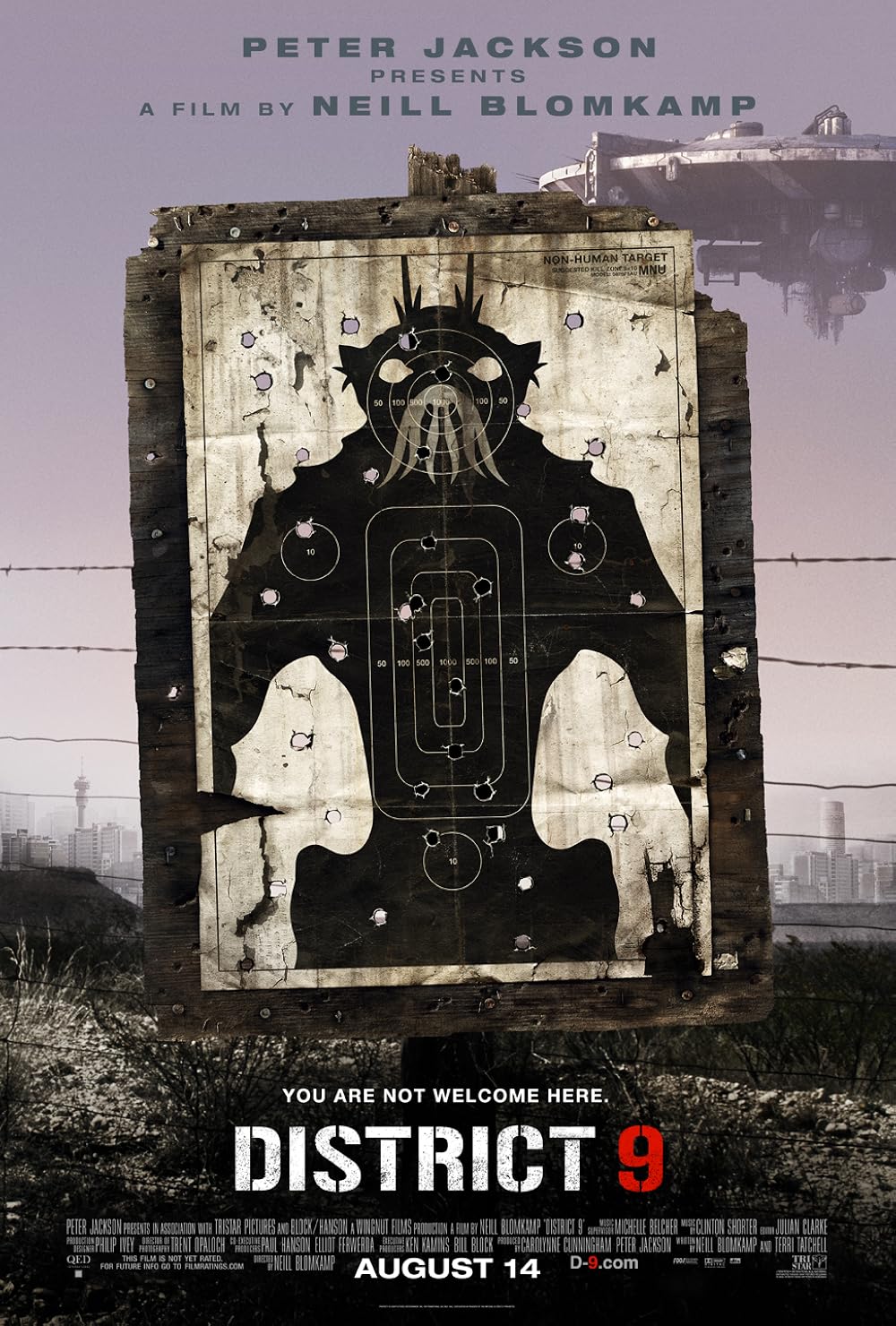
Metaphor for Disability and Marginalization
The alien body mutation in “District 9” isn’t just a plot device; it can also be seen as a powerful metaphor for how society often views disability. When the protagonist, Wikus, begins to transform, he is suddenly treated as an outsider. This shift forces him to experience life as a marginalised being, mirroring how individuals with disabilities often navigate a world that can be unwelcoming.
Consider how the aliens, called “prawns,” live in squalor, confined to District 9. This parallels real-world scenarios where marginalised groups are isolated. The film uses this separation to highlight the harsh realities faced by those who are seen as different. It challenges viewers to question how society defines “normal” and the arbitrary lines drawn between “us” and “them.” The movie’s storyline emphasises empathy and inclusion. As Wikus’s condition worsens, audiences witness his growing understanding and compassion. This transformation in attitude is a call to action: to see beyond appearances and embrace a more inclusive perspective. For a deeper look at this theme, refer to this analysis on Story Screen.com..
Systemic Oppression and Dehumanization
“District 9” also sheds light on systemic oppression. The aliens are subjected to inhumane treatment, echoing the struggles of marginalised communities worldwide. Their dehumanisation is a stark reminder of the prejudice that persists in our society. The film illustrates how institutional power can strip individuals of their rights. The organisation controlling District 9 exercises authority with little regard for life. This can be read as a clear reflection of how systems perpetuate inequality and injustice. By drawing these parallels, the film urges audiences to recognise and challenge oppressive structures. Furthermore, the narrative questions the morality of those in power. Are they truly protecting humanity, or are they exploiting fear for control? This dilemma invites viewers to ponder the ethics of leadership and the impact of their actions on the vulnerable. For a deeper dive into this allegory, check out this NPR article.
In conclusion, “District 9” uses its storyline to push us toward a more empathetic and inclusive society. Its critique of human prejudice and systemic oppression is not just thought-provoking but a call to action. As the credits roll, we’re left with an essential question: How can we foster a world where everyone, regardless of their differences, is treated with dignity and respect?


I’d love to hear what you think, please comment below.