
Routine can feel safe until it doesn’t. The Expressionless uses eerie repetition and sameness to create a creeping sense of dread that hits closer to real fears than you might expect. This creepypasta analysis reveals how obsessive patterns mirror struggles tied to obsessive-compulsive disorder, exposing the fear of losing control and the weight of OCD stigma. Get ready to see how horror storytelling can challenge what you think about routine and mental health. Imagine a world where routine feels like a trap. The Expressionless plays on this fear, using repetition to unsettle readers. Let’s explore how this story taps into themes of obsessive behavior and control.
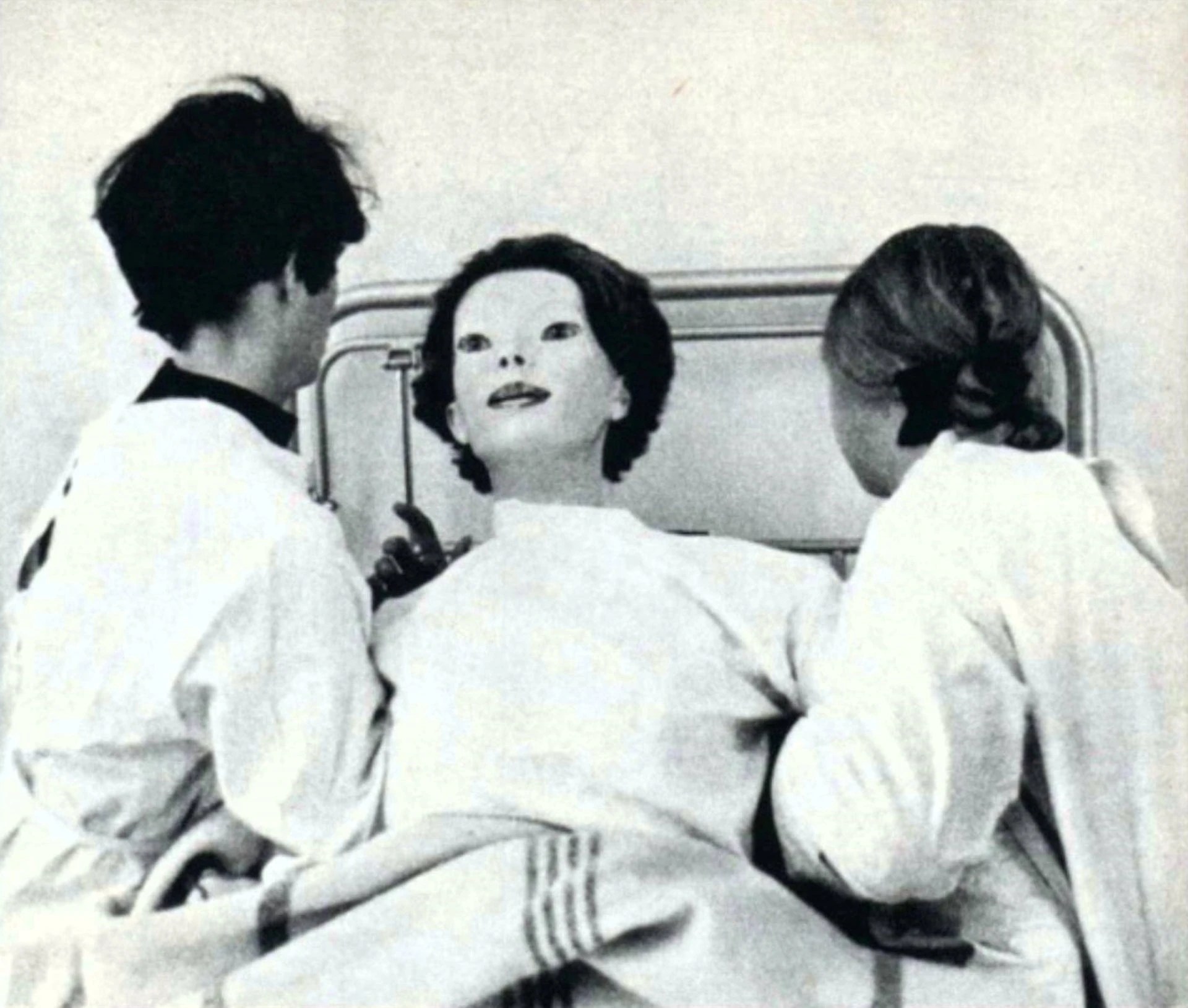
Unearthing Repetitive Behavior
The Expressionless draws you into a loop of actions that feel both ordinary and unnerving. The repetition of daily tasks becomes a mirror reflecting the struggles seen in obsessive-compulsive disorder. Each mundane action is loaded with tension, making you question what is safe. Consider how brushing your teeth or checking the locks can become rituals. These small actions, repeated, take on a life of their own. The story captures this perfectly: a mundane world where everything repeats, yet feels off. You’re left wondering if the next moment will break the cycle or tighten it.
Aesthetic Sameness in Horror
The story’s setting is a world where everything looks and feels the same. This aesthetic sameness heightens the creepiness. Imagine walking through a hallway where each door is identical, leaving you disoriented. It’s a powerful tool in horror, as it blurs reality and nightmare. This sameness forces you to confront your own perceptions. Are you seeing the truth, or is it a trick of familiarity? The Expressionless uses this confusion to its advantage, keeping you on edge.
OCD Stigma in The Expressionless
Horror often reflects societal fears, and The Expressionless is no exception. It sheds light on misconceptions about OCD, revealing deeper truths through its narrative. The Expressionless challenges you to rethink what you know about OCD. The story’s portrayal of repetitive behavior highlights the stigma surrounding the disorder. Many see OCD as simple quirks, but the reality is far more complex. By showcasing the darker side of routine, the story prompts readers to look beyond stereotypes. It asks you to consider the real impact of these misconceptions on those who live with OCD.
Horror can be a unique lens for exploring mental health. The Expressionless uses its narrative to delve into these themes, offering a fresh perspective. In a genre where fear reigns, the story introduces you to the fears tied to mental health struggles. Through its chilling plot, it challenges you to confront your own biases. It shows that horror isn’t just about monsters, but also about the battles within.
 Katie Marie Robinson-Sherlock
I’d love to hear what you think, please comment below.