
In this blog i want to discuss how The Lighthouse (2019) captures mental illness in film through disorienting character interactions and sensory overload portrayal. By unpacking its narratives and psychological tension, you’ll see how this story reflects neurodivergent experiences.
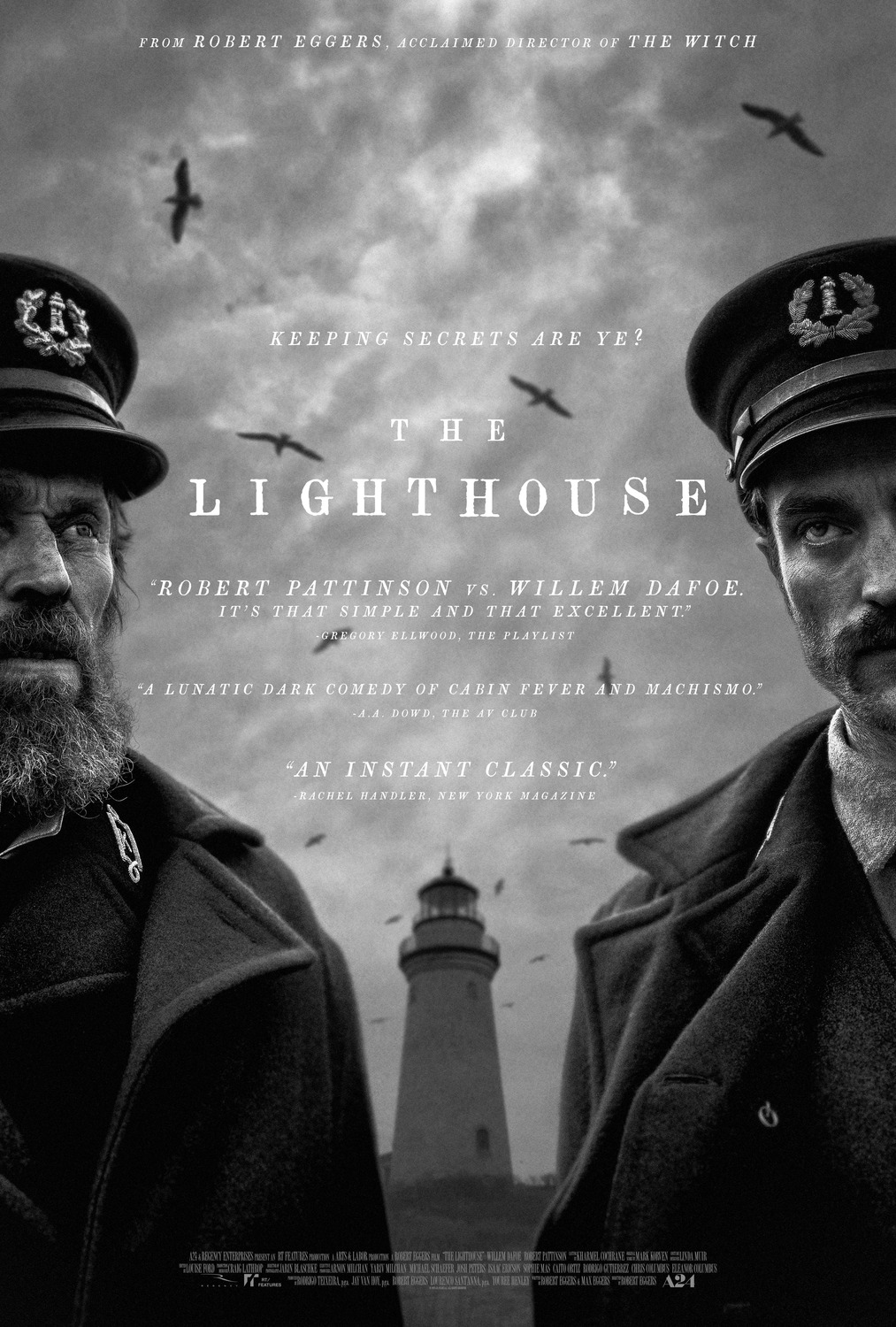
Sound and Visual Contrasts
The film bombards you with jarring sounds and stark visuals, creating a feeling of unease. The roaring waves, screeching seagulls, and blaring foghorns are almost relentless. This auditory chaos mirrors the internal turmoil of the characters. You might find yourself questioning what’s real and what’s not. The black-and-white visuals add another layer of tension. Shadows and light play tricks on your eyes, making the lighthouse seem both a beacon and a trap. This visual contrast amplifies the disorientation. These elements work together to simulate sensory overload, a common experience for many neurodivergent individuals. The Lighthouse immerses you in this chaotic reality, forcing you to empathize with the characters’ struggles. This vivid portrayal invites you to reconsider how sensory experiences shape perception and emotion.
Psychological Tension Analysis
The psychological tension in The Lighthouse is intense and unrelenting. From the start, you feel the mounting pressure between the two main characters. Their relationship deteriorates as isolation and madness take hold. The film’s confined setting amplifies this tension, trapping you alongside the characters. As you watch, you see how their mental states unravel. Paranoia and suspicion seep into every interaction. This psychological turmoil is palpable, making you question what you would do in their place. The film’s ability to maintain this tension without relief highlights the fragile nature of sanity. The Lighthouse uses this dynamic to comment on the complexities of mental health. By immersing you in the characters’ descent, the film challenges societal views on mental illness. It urges you to question what defines reality and madness.
Sensory Overload Portrayal
The Lighthouse excels in depicting sensory overload through its meticulous attention to detail. The film’s sound design and visual style create a visceral experience. Every sound is amplified, every shadow exaggerated, drawing you into a world where the senses are in overdrive. For neurodivergent individuals, this portrayal is strikingly familiar. The film captures the overwhelming nature of sensory overload, offering a glimpse into this often misunderstood experience. By confronting you with these sensations, The Lighthouse fosters empathy and understanding. This sensory immersion serves as a reminder of the challenges faced by those living with sensory sensitivity. The film’s portrayal encourages you to reflect on the everyday environments that can overwhelm the senses. Through this reflection, The Lighthouse promotes awareness and compassion.

Ambiguous Narratives in Film
The Lighthouse thrives on ambiguity, drawing you into a narrative that defies straightforward interpretation. The film’s storyline is riddled with uncertainty, forcing you to piece together its meaning. This ambiguity mirrors the complexities of human thought and perception. In many ways, the film’s narrative structure parallels the experiences of neurodivergent individuals. It challenges you to embrace uncertainty and question your assumptions. This narrative style encourages a deeper engagement, prompting you to explore different perspectives. Through its ambiguous storytelling, The Lighthouse invites you to embrace the unknown. It challenges traditional narratives and encourages you to consider the subjective nature of reality and perception.
Mental Illness in Film
The Lighthouse provides a raw depiction of mental illness, portraying the characters’ struggles with unsettling honesty. The film doesn’t shy away from the harsher aspects of mental health, instead confronting you with the stark reality of their experiences. Throughout the film, you witness the characters’ descent into madness, an experience that resonates with the unpredictable nature of mental illness. The isolation and pressure they face exacerbate their mental states, highlighting the impact of environment on mental health. By portraying mental illness in this way, The Lighthouse seeks to break down stigma and encourage dialogue. It urges you to approach mental health with empathy and understanding, challenging preconceived notions and fostering a more inclusive perspective.
The interactions between the characters in The Lighthouse are fraught with tension and hostility. As you watch, you see how their isolation amplifies their emotions, leading to explosive confrontations. These interactions highlight the complex dynamics at play in the film. Throughout their ordeal, the characters’ relationship becomes a microcosm of human interaction. Trust and suspicion intertwine, creating a volatile environment. This portrayal captures the impact of isolation on mental health, prompting you to consider the importance of connection. The Lighthouse uses these character dynamics to explore the effects of isolation on the mind. It challenges you to reflect on the role of social interaction in maintaining mental well-being, emphasizing the need for empathy and understanding in all relationships.

Psychological Tension in Cinematography
The Lighthouse stands out as a masterclass in psychological horror. Its use of sound and visual elements creates a haunting atmosphere that lingers long after viewing. This film is a testament to the power of cinema in exploring the human psyche. As you watch, you’re drawn into a world of sensory overload and psychological tension. The film’s meticulous attention to detail immerses you in its narrative, challenging your perceptions and understanding. This experience leaves a lasting impact, encouraging reflection and discussion. For fans of psychological thrillers, The Lighthouse is a must-see. Its unique style and compelling narrative offer an intriguing exploration of the mind, inviting you to question the nature of reality and perception.
The Lighthouse uses cinematography to amplify its psychological tension. The film’s stark visuals and confined setting create a sense of claustrophobia, heightening the characters’ mental struggles. This tension is palpable, drawing you into their world. The film’s use of light and shadow plays a crucial role in its storytelling. These visual contrasts mirror the characters’ internal conflict, adding depth to their descent into madness. As you watch, you become acutely aware of the fragile line between sanity and chaos. Through its cinematography, The Lighthouse captures the complexities of human cognition. It challenges you to consider the impact of environment on mental health, emphasizing the power of visual storytelling in exploring the mind.
Empathy and Neurodivergent Reality
The Lighthouse fosters empathy by immersing you in the characters’ experiences. The film’s portrayal of sensory overload and mental illness encourages you to consider the challenges faced by neurodivergent individuals. This exploration promotes understanding and compassion. The film’s narrative invites you to step into a world where the senses are heightened and reality is ambiguous. This perspective challenges preconceived notions of normalcy and sanity, urging you to embrace diverse experiences and perspectives. By fostering empathy, The Lighthouse encourages a more inclusive understanding of mental health and neurodiversity. It invites you to reflect on the complexities of human cognition, promoting dialogue and awareness of the diverse ways in which individuals experience the world.


I’d love to hear what you think, please comment below.