Crime memorabilia often sparks heated debates, but few stop to consider the real damage behind those objects. When killers become trophies, it fuels the objectification of killers and deepens the mental health stigma tied to psychiatric conditions. This blog breaks down how dehumanisation in media can glorify violence and why the social impact of crime artefacts matters more than you might think.
Crime Artifacts
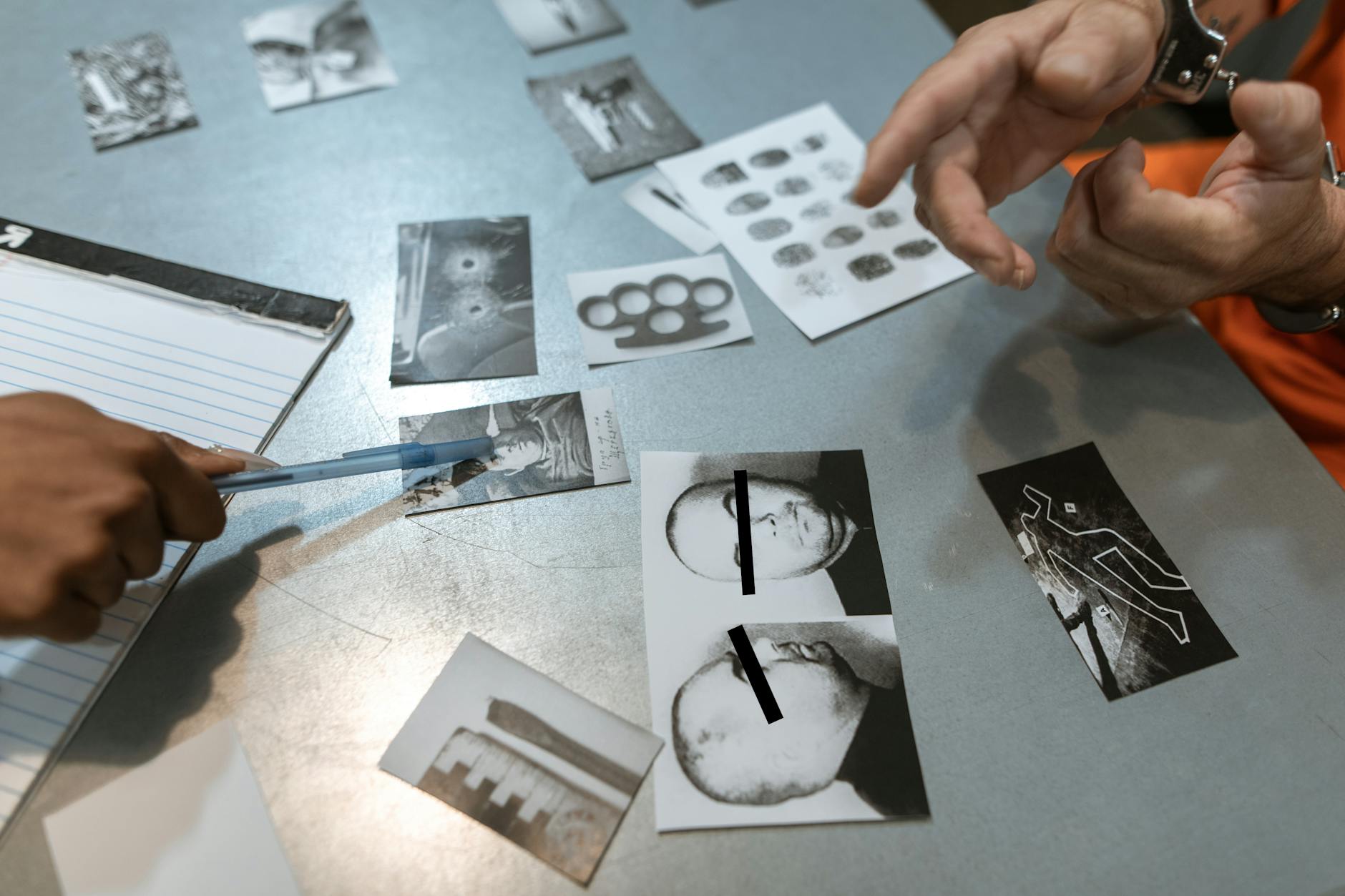
Crime artefacts can be traced back to infamous historical events. Collectors seek these items for their unique connection to notorious figures. For instance, items linked to Al Capone or other infamous criminals hold a macabre allure. These pieces serve as tangible connections to past crimes, making history feel more immediate and real. But owning them raises questions: Are we preserving history, or glorifying the deeds of criminals? The allure of crime memorabilia lies in its rarity and connection to notoriety. Collectors often view these pieces as investments, expecting their value to appreciate over time. The demand for such items can lead to ethical dilemmas, particularly if the artefacts connect to tragic events. What’s often overlooked is the impact on victims’ families, who might see these objects as a painful reminder rather than historical artefacts.
The Objectification of Killers
When killers become the focus, their humanity fades (as does the victims’). Crime memorabilia shifts attention from victims to perpetrators, turning them into objects of fascination. This objectification fuels the notion that their actions are something to admire or study deeply. This fascination with killers can distort reality. Celebrity status can be assigned to those who commit heinous acts, overshadowing the suffering of their victims. Society’s focus shifts, potentially romanticising the criminal while the voices of the affected fade. This skewed perspective can lead to misconceptions about crime and justice, emphasising the criminal over the crime’s impact.
Dehumanization in Media
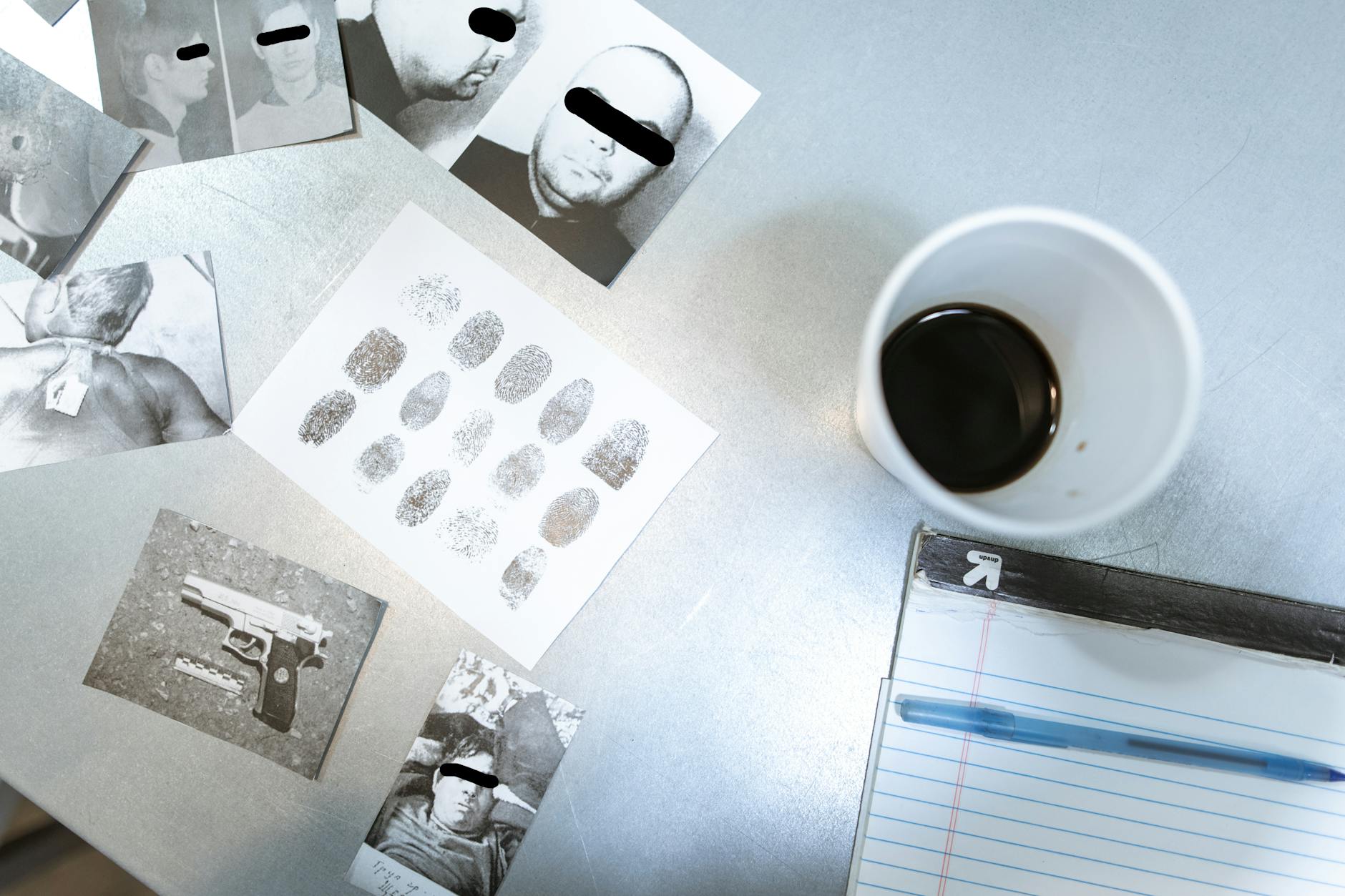
Media narratives often strip away the complexity of individuals involved in crimes. By focusing solely on the sensational aspects, they dehumanize both perpetrators and victims. This approach can turn crimes into entertainment, ignoring the real pain and suffering involved. Media outlets frequently highlight the most shocking details, feeding public curiosity. This approach not only desensitizes audiences to violence but also shifts focus away from rehabilitation or understanding. Such narratives can perpetuate stereotypes and contribute to a cycle of fear and misunderstanding about crime and its causes.
The portrayal of mental health in crime stories often links psychiatric conditions directly to criminal behavior. This connection can bolster harmful stereotypes, suggesting that mental illness equates to violence. Understanding this impact is crucial, as it affects public perception and policy. Such portrayals can lead to increased stigma against those with mental health issues, who are often unfairly judged or feared. They may face discrimination in various aspects of life, from employment to social interactions. By perpetuating these myths, media narratives can prevent meaningful conversations about mental health and its complexities.

Misconceptions, Media Influence and the Social Impact
The media often simplifies complex psychiatric conditions, creating misconceptions. These portrayals can lead to an oversimplified view of mental illness, suggesting that all individuals with such conditions are dangerous or unstable. This narrative can feed into existing prejudices, making it difficult for those with mental health issues to seek help. It perpetuates fear rather than fostering understanding. To address these misconceptions, it’s vital to present balanced stories that highlight the diverse experiences of individuals with psychiatric conditions.
Crime artifacts hold a mirror to society’s fascination with darkness. They reveal our collective curiosity about the macabre, yet they also highlight the need for sensitivity and understanding. The social impact of these items extends beyond individual interest, affecting societal views on crime and punishment. Owning or displaying crime memorabilia can seem harmless, but it’s crucial to consider the broader implications. These objects can reinforce harmful narratives and desensitize individuals to violence. As society continues to grapple with these issues, it’s important to question the stories we tell and the objects we choose to preserve. Understanding the full impact of crime memorabilia can lead to more informed discussions and, ultimately, more compassionate perspectives on crime and mental health.


I’d love to hear what you think, please comment below.