
Most survival horror stories erase disabled characters or make them helpless after the chaos begins. That misses a huge chance to show real narrative resilience through adaptation and ingenuity. If you want your apocalypse fiction to reflect true human strength, you need to write disabled characters as resourceful, capable individuals with unique perspectives in crisis. This will change how your readers see disability, and how you shape your story. Survival horror offers a unique stage to showcase the depth of human experience. Within this realm, ensuring that disabled characters are authentically portrayed is crucial. Let’s explore how to do this effectively.

Authentic Representation in Crisis
When chaos strikes, everyone must rely on their skills to survive. Yet, stories often overlook the capabilities of disabled characters. By showcasing their strengths and adaptability, you can create more compelling narratives. For instance, a character with hearing loss might notice vibrations others miss, providing a crucial advantage. This approach not only enriches your story but also offers readers a new lens on disability.
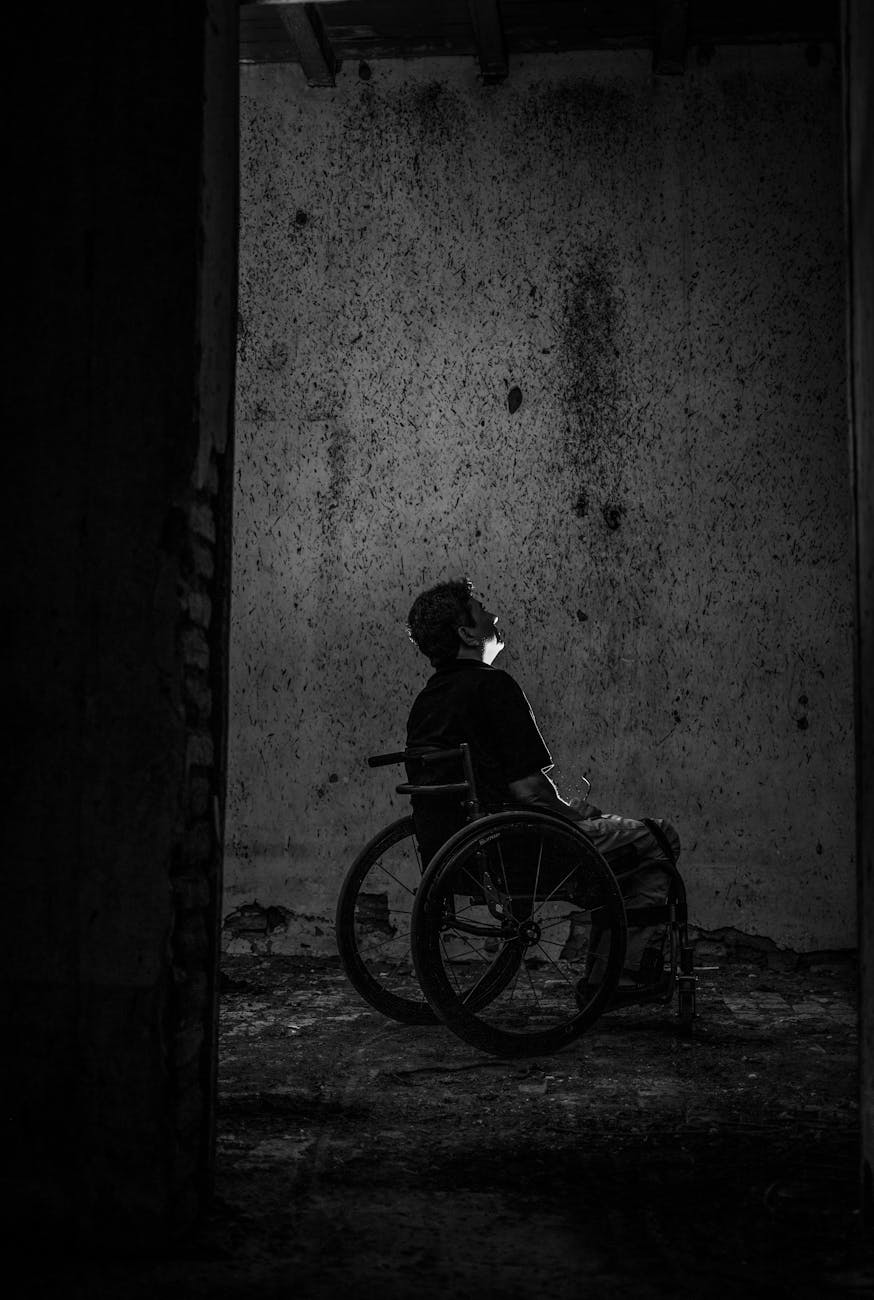
Fiction often falls into the trap of using disabled characters as mere plot devices. Avoiding these pitfalls requires nuanced portrayals. Instead of depicting them as mere burdens, highlight their contributions to the group. Perhaps a character uses a wheelchair, and their knowledge of mechanical systems becomes vital in a crisis. By fleshing out these characters, you challenge assumptions and create a richer narrative tapestry.
Disabled characters bring unique strengths to their roles. Highlight these attributes to deepen your story. Consider a character with autism who excels in pattern recognition, unraveling critical clues others miss. Such portrayals offer an authentic glimpse into diverse potentials and enrich the narrative landscape. This approach invites readers to appreciate the varied talents that come with diverse experiences.
Innovative Approaches to Survival
In moments of crisis, quick thinking becomes a survival tool. Disabled characters often develop unique problem-solving skills, born from navigating everyday challenges. Illustrate this by showing how a character with limited mobility uses their environment creatively, turning obstacles into advantages. These instances not only enhance your plot but also demonstrate the power of adaptability.
Survival horror thrives on unexpected twists. Introducing innovative strategies from disabled characters can add fresh dynamics to your story. A visually impaired character might rely on heightened other senses to detect threats, offering a new perspective on survival tactics. This approach not only breaks stereotypes but also captivates your audience with fresh storytelling angles.
Resilience is a cornerstone of survival horror. Disabled characters, by virtue of their experiences, often embody this trait deeply. Highlight their resourcefulness by showing how they leverage their unique skills in crisis. For example, a character with chronic pain might use meditation techniques to maintain focus under stress. Such stories inspire readers and underscore the strength found in diversity.

Empowering Narratives with Diverse Voices
Diverse narratives empower both characters and readers. When you include disabled characters with agency and depth, you offer a richer story experience. For example, a character with PTSD might share coping mechanisms that benefit the entire group. These insights can challenge reader perceptions and deepen emotional connections with your story.
Navigating challenges is a universal human experience. Disabled characters often bring unique perspectives on overcoming adversity. By showcasing these strengths, you offer readers new ways to understand resilience. Consider a character who uses assistive technology to communicate and how this becomes pivotal in high-stakes situations. This not only breaks barriers but also celebrates human ingenuity.
Representation in media has the power to shift perspectives. By including disabled characters with complexity, you foster understanding and acceptance. These stories can change how audiences view disability, encouraging empathy and inclusivity. Remember, the longer you wait to include diverse voices, the more you miss out on enriching your fiction with real-world complexity.
In summary, writing disabled characters in survival horror presents an opportunity to embrace realism, resilience, and ingenuity. By offering authentic representation, you not only craft compelling narratives but also contribute to a broader understanding of the diverse human experience. For more tips on crafting these characters, explore an earlier blog I wrote.


I’d love to hear what you think, please comment below.