
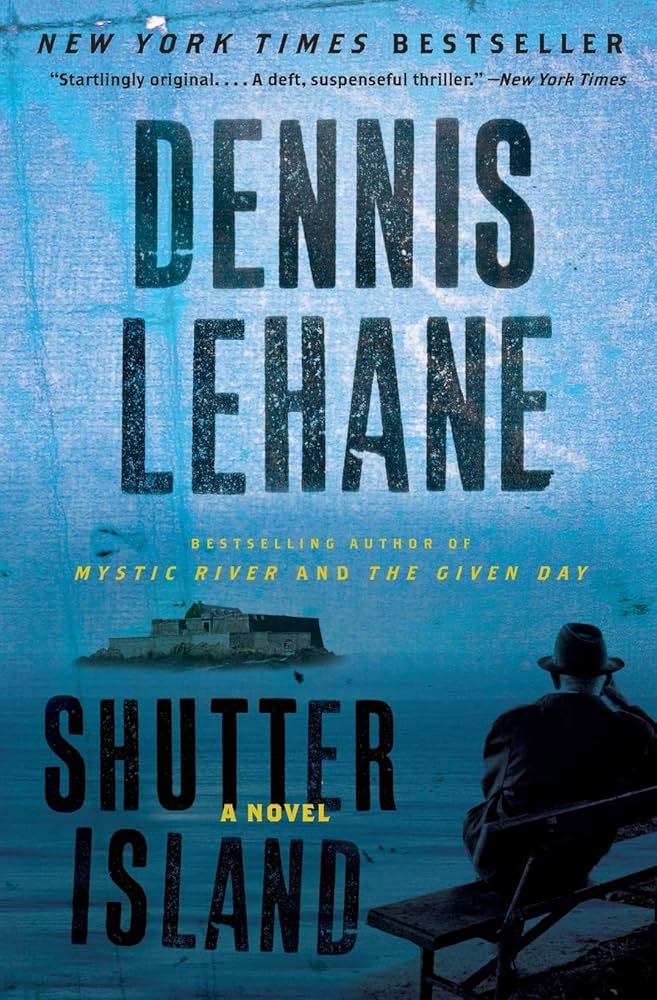
Most people think the Martin Scorsese film captures everything from Dennis Lehane’s book Shutter Island. But the truth is, the story’s madness, institutional critique, and narrative reliability shift dramatically between the two. This post will explore how both the book and the film explore these themes!
Madness and Its Portrayal
Madness is central to Shutter Island’s intrigue. In Lehane’s book, the story dives into the depths of the human psyche, exploring the chaos within. Lehane crafts each scene with a psychological intimacy, making you feel the protagonist’s mental turmoil. On the other hand, Scorsese’s film employs visual cues to create a sense of unease. Through atmospheric lighting and tense music, you see madness unfold before your eyes. This visual representation offers a stark contrast to the internal focus of the book. Both mediums explore madness but take you on different journeys. The book lets you step into the shoes of the characters, while the film surrounds you with a haunting ambiance. Each approach provides a distinct experience, prompting you to question your own perception of sanity.
Institutionalization Through Different Lenses
Lehane’s narrative delves into the institutional critique by painting a detailed picture of the asylum. The book exposes the harsh realities and the dehumanising aspects of the institution. You are given a glimpse into a world where control and power dictate the lives of the patients. In contrast, Scorsese’s adaptation again uses the visual medium, this time to highlight the isolation and coldness of the institution. The stark, imposing architecture of the asylum and the chilling performances of the staff create a sense of dread. The film’s portrayal is more about creating a visceral reaction, making you feel the oppressive nature of the institution. Both mediums critique the system and invite you to feel a certain way about them, but they do so from different angles.
Crafting Narrative Reliability
Narrative reliability is another key element of the story that is explored differently in the book and the film. Lehane’s writing allows for a more intimate exploration of Teddy’s mind. You are privy to the internal conflicts and doubts that plague him. This introspective approach makes you question what is real and what is imagined. Scorsese, however, uses cinematic tools to manipulate your perception. Through clever editing and visual misdirection, the film keeps you guessing. The unreliable narrative is crafted through visual storytelling, where what you see may not always be the truth. This creates a thrilling experience, challenging your understanding of reality. Both mediums employ narrative reliability to keep you engaged, but with distinct methods that leave a lasting impact.
Lehane’s Prose
Lehane’s prose delves deeply into the psychological themes that drive the story. The book offers a rich, introspective view of the characters’ minds. You are given access to their fears, desires, and inner conflicts. This depth allows you to connect with the characters on an emotional level. The psychological themes are woven into the narrative, creating a complex tapestry of human experience. The book’s characters are multi-dimensional, with layers that gradually unfold. Lehane’s writing invites you to explore the human condition, revealing the fragility of the mind. The inner workings of the characters are laid bare, challenging you to confront your own beliefs about sanity and reality.
Visual Storytelling by Scorsese
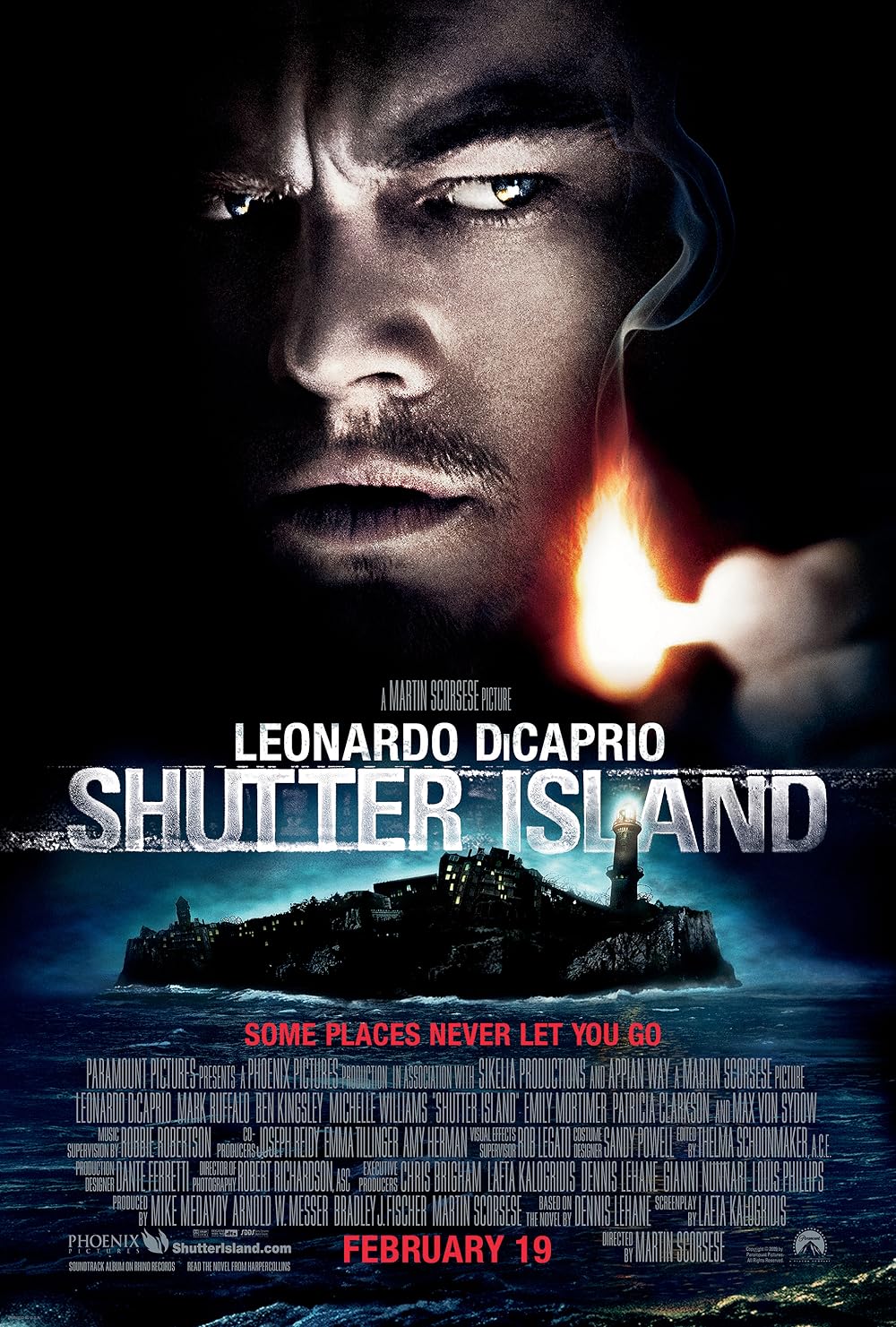
Scorsese’s film, on the other hand, focuses on visual storytelling to convey psychological themes. The director uses cinematic techniques to create tension and ambiguity. Through the use of color, lighting, and camera angles, the film immerses you in a world of uncertainty. The visual elements highlight the characters’ mental states, offering a different perspective on their struggles. The film’s characters are brought to life through powerful performances and haunting visuals. Scorsese’s approach emphasizes the external manifestations of psychological turmoil, leaving you with a sense of unease. The visual storytelling complements the book’s introspective nature, providing a holistic understanding of the characters’ experiences.
Mind’s Fragility and Control
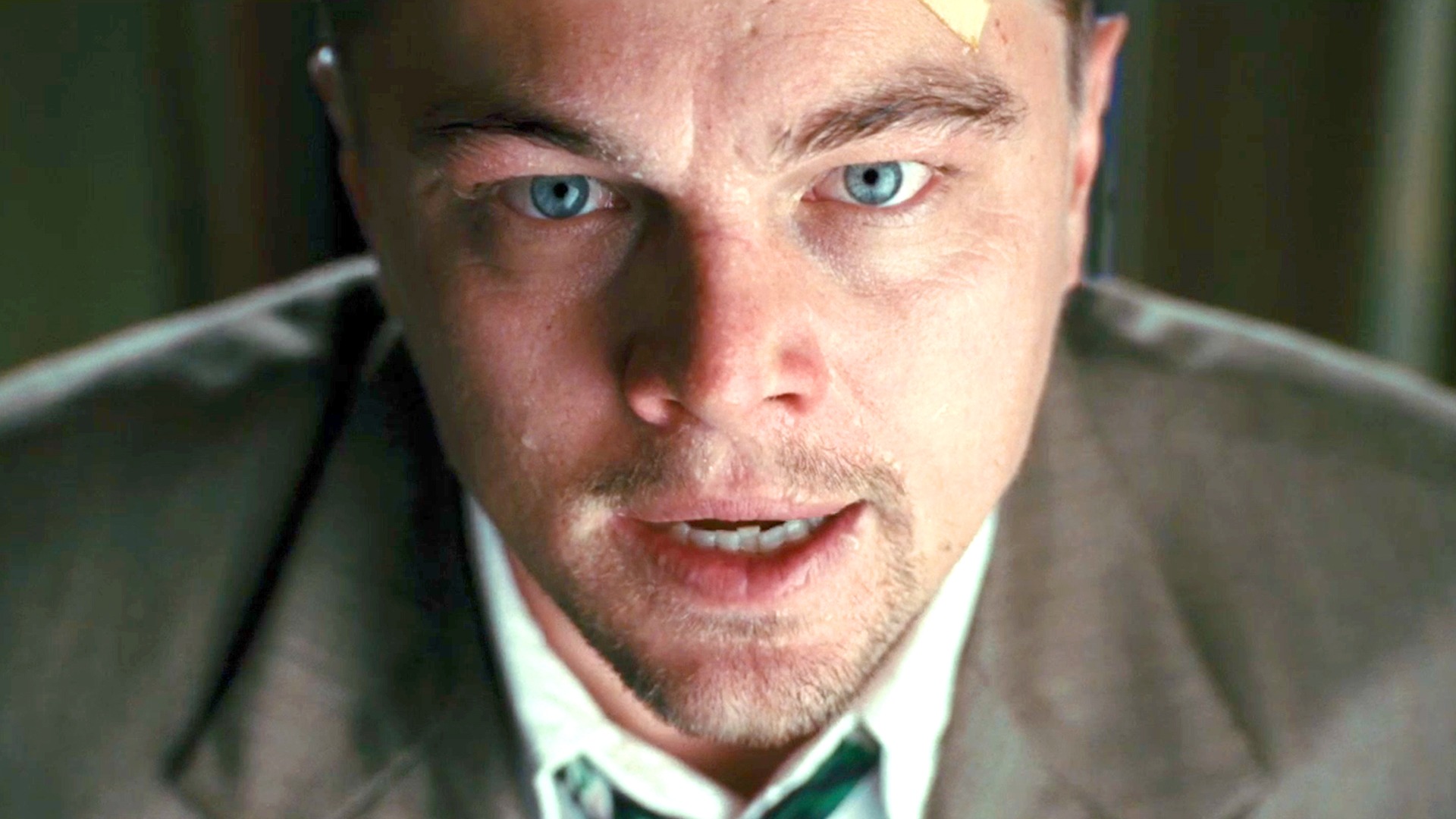
Both the book and the film explore the fragility of the mind and the thin line between sanity and insanity. Lehane’s narrative challenges you to question the nature of reality. Teddy’s mental struggles are depicted with raw honesty, forcing you to confront your own perceptions. Scorsese’s film, however, uses visual cues to create an atmosphere of doubt. The cinematography and sound design play with your senses, making you question what is real. Both adaptations provoke a sense of uncertainty, urging you to reevaluate your understanding of the human mind.
The theme of control is prevalent in both the book and the film. Lehane’s critique of the institutional system is evident in his portrayal of the asylum. The book raises questions about the impact of control on the human psyche, challenging you to think critically about the systems in place. In the film, Scorsese emphasizes the power dynamics within the institution. The visual representation of control and authority highlights the oppressive nature of the system. Both adaptations prompt a reevaluation of control systems, encouraging you to consider the consequences of such environments on the human mind.


I’d love to hear what you think, please comment below.