
Most stories call Sarah Winchester’s endless construction of her home a sign of madness. You might feel that way too, thinking her work at the Winchester Mystery House was just obsessive building gone too far. But what if her actions reflected a grief response shaped by neurodivergent trauma instead? Understanding this changes how we see her and the meaning of mental health in history.
Historical Madness Revisited
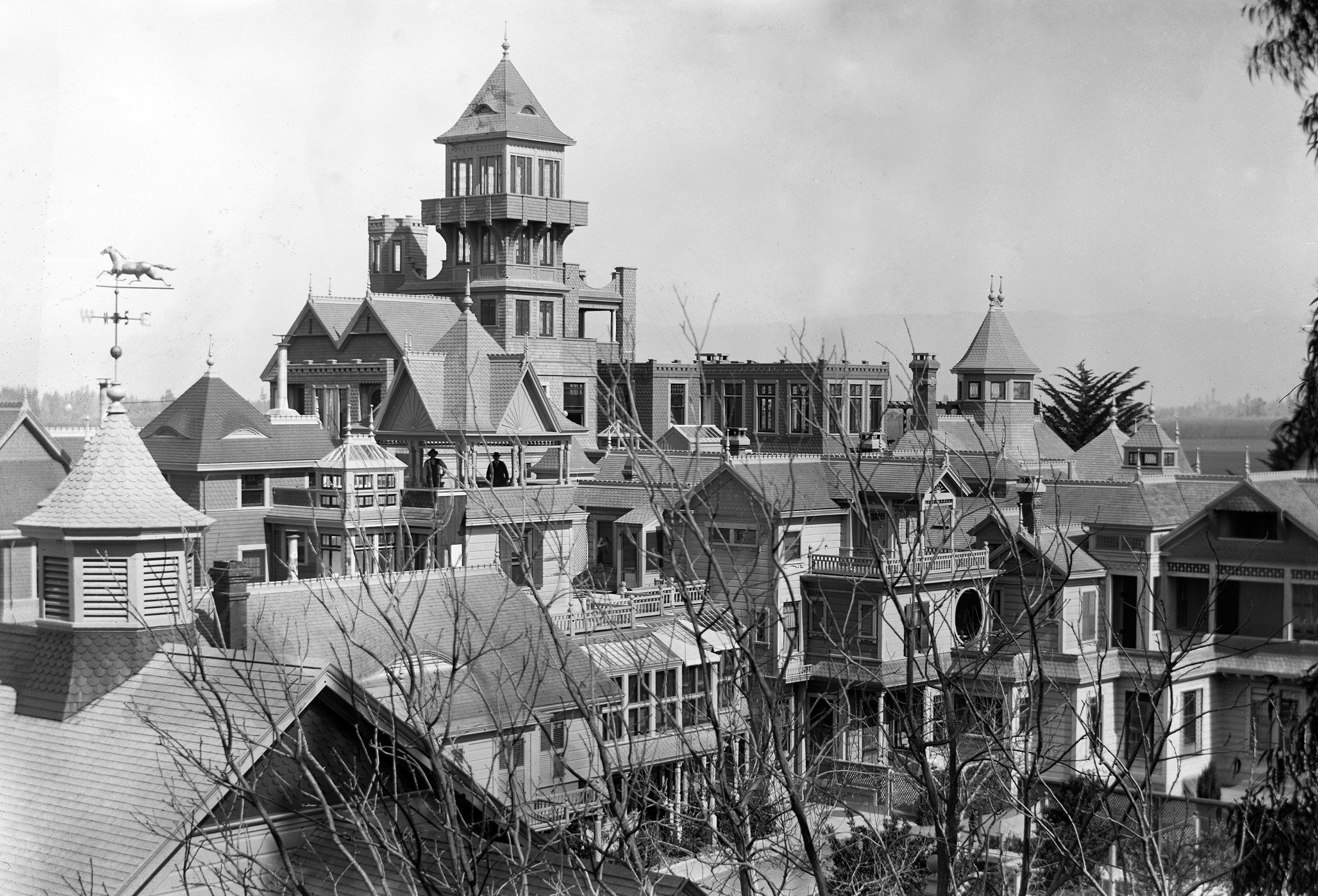
Many have labelled Sarah’s ongoing construction efforts as madness. She continued building the Winchester Mystery House for decades, driven by what some people believed to be a fear of ghosts. But it’s essential to consider the societal context in which she lived. The 19th century didn’t offer much understanding of mental health. Without modern support, people like Sarah dealt with their trauma in ways that seemed unusual. In those days, grief might have been seen as hysteria. But what if her building was a way to cope? You can learn more about her life by reading Haunted by the Past: The Real Story of Sarah Winchester by Ashley Hlebinsky.
Neurodivergent Trauma and Grief
Neurodivergence refers to variations in the human brain regarding sociability, learning, attention, mood, and other mental functions. Could Sarah have been neurodivergent? Her relentless building might have been a unique way to process grief. Unlike today, when mental health support is more accessible (though still not perfect), Sarah faced her trauma alone. Think about the isolation she might have experienced. Her actions, often seen as eccentric, could have been a response to overwhelming loss. The construction of the house became her sanctuary, a place where she could lose herself in work and avoid the pain. Considering this perspective shifts our understanding from criticism to empathy.
Mental Health and Historical Figures
Throughout history, many figures have faced similar challenges, as mental health issues are not a modern phenomenon. Historical figures often dealt with their struggles in isolation, lacking the support we have today. Consider other notable individuals who exhibited behaviours once deemed eccentric. Their actions, like Sarah’s, might have been misunderstood. This perspective allows us to reframe our understanding of Sarah Winchester. Instead of viewing her as a figure of madness, we can see her as someone navigating her mental health in a unique way. The Winchester Mystery House stands as a testament to her resilience and creativity.
Sarah’s architectural choices were not random. Each detail in the house reflects her state of mind. The intricate designs and unusual layout might mirror her inner turmoil. Each room could symbolise a step towards healing. In architecture, we see how trauma can influence creativity. It was not just a home but a canvas for her emotions. By transforming her pain into something tangible, she found a way to cope.
Winchester Mystery House Legacy
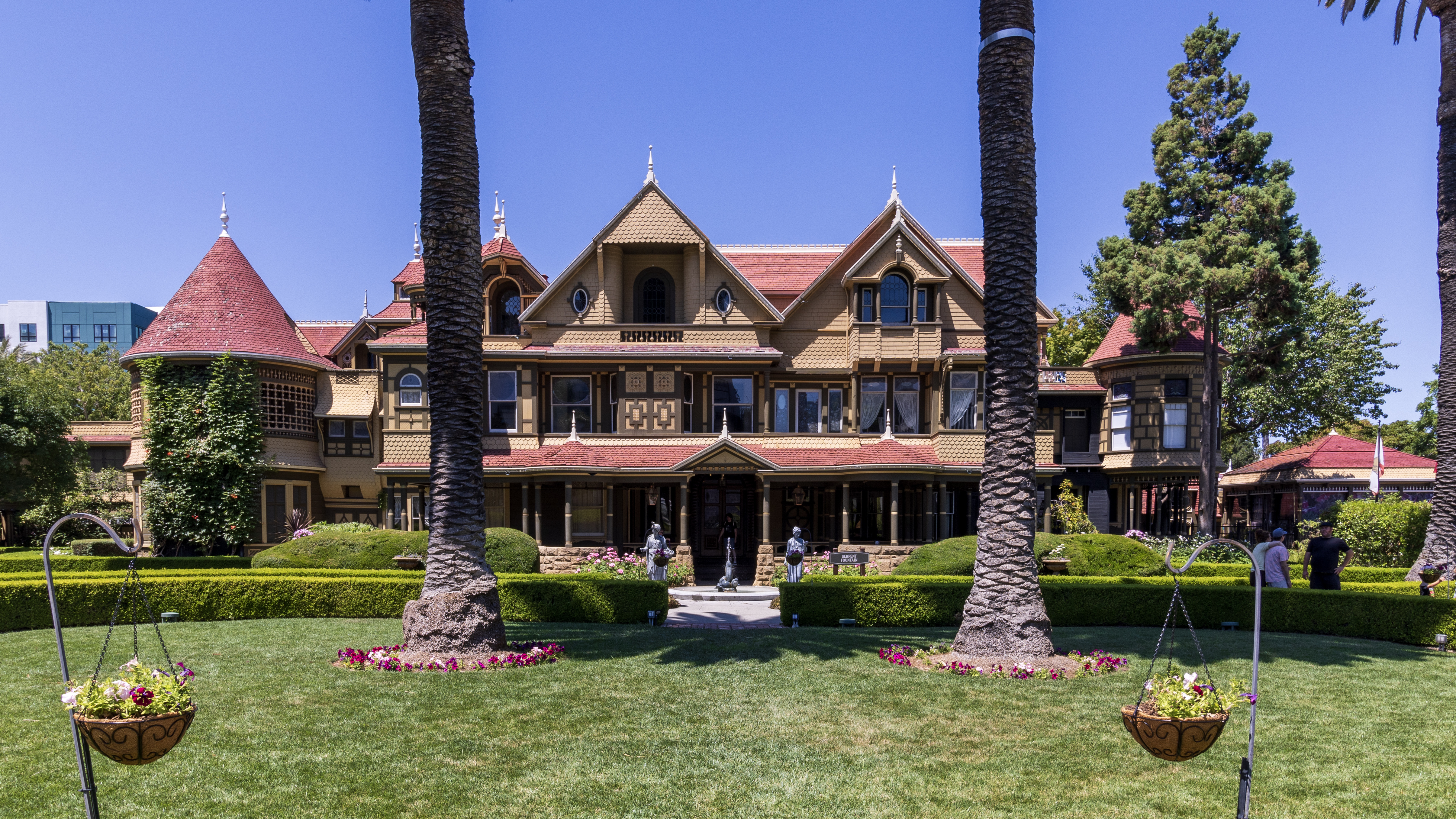
Today, the Winchester Mystery House stands as a symbol of resilience, with visitors drawn to its mystery and history. The house invites us to reconsider our views on mental health and trauma. It challenges us to see beyond the surface and understand the person behind the legend. Sarah Winchester’s story encourages empathy. It teaches us that what might seem eccentric could be a profound expression of emotion.
The tale of Sarah Winchester is more than a ghost story. It’s a reminder of the complexities of human emotion and the different ways we find to cope with grief. As you reflect on her life, consider how we can better support those who face similar struggles today.


I’d love to hear what you think, please comment below.