
Most people think haunted houses just scare with ghosts and creaks but Shirley Jackson’s The Haunting of Hill House proves that fear can come from the mind itself, wrapped in psychological horror and unreliable narration. This post will peel back the layers of Gothic fiction, showing how the house becomes a character and how the story’s atmosphere shapes your unease. Get ready to see why this book still chills readers decades later.
Central Horror Elements
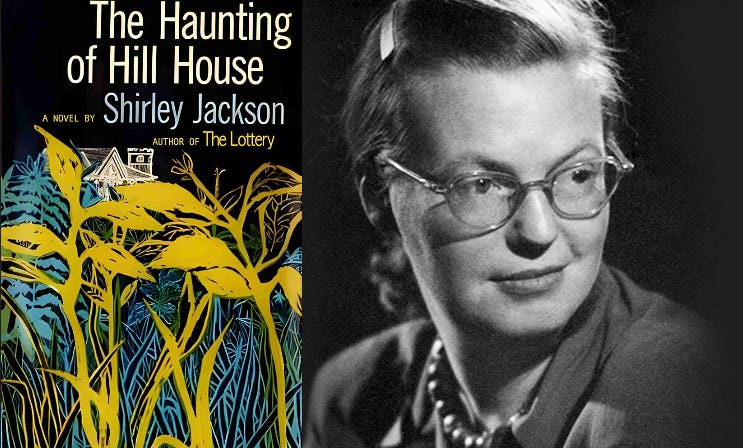
At the heart of the novel lies the ambiguous nature of its horror. Is it the house itself or the minds of its inhabitants that bring about terror? The fear cultivated here is multifaceted. Readers grapple with dread and paranoia, constantly questioning the nature of the evil they face. The threat feels internal, psychological, and profoundly unsettling. This layered horror, reminiscent of classic Gothic fiction, makes Hill House a complex and enduring narrative. Shirley Jackson’s work continues to engage audiences, prompting them to ask difficult questions about the nature of fear itself. For a deeper look at the book’s summary, read the audible summary.
Psychological and Supernatural Tensions
Jackson skillfully blurs the lines between psychological and supernatural elements. The characters’ mental states are as haunting as the ghostly phenomena they encounter. Eleanor’s fragile psyche, in particular, heightens the sense of unease. Is she experiencing genuine supernatural events, or are her own fears manifesting as ghosts? This tension between mind and spirit keeps readers on edge, compelling them to question their perceptions. The narrative’s ambiguity adds layers to the horror, making it a rich subject for literary analysis.
Fear and Ambiguity in Narrative
The narrative’s power lies in its ambiguity. Jackson’s prose invites readers to engage with the unknown. The story unfolds in a way that leaves much to interpretation, allowing fear to blossom in the spaces between certainty and doubt. This ambiguity serves as a mirror, reflecting the insecurities and anxieties of both characters and readers. The resulting fear is deeply personal and long-lasting, echoing long after the final page is turned.
Unreliable Narration in Focus
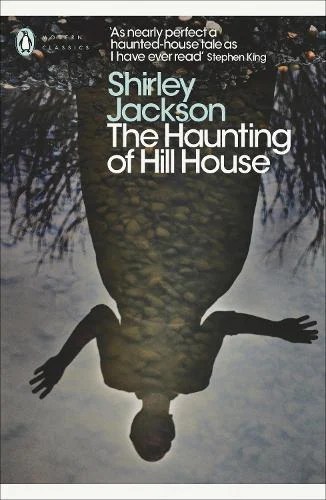
Unreliable narration is a central feature in The Haunting of Hill House. The story’s perspective shifts, often leaving readers uncertain of what is real. Eleanor, the primary lens through which the story is viewed, provides a fragmented and subjective account. Her perceptions are colored by her emotional state, casting doubt on the veracity of her experiences. This unreliable narration heightens the psychological tension, drawing readers into Eleanor’s world of uncertainty.
The choice of a third-person limited perspective, primarily through Eleanor, shapes the reader’s understanding. This specific viewpoint limits knowledge, creating suspense through what is withheld. Readers are drawn into Eleanor’s internal struggles, experiencing her fears and doubts firsthand. This perspective effectively blurs reality, crafting a narrative that feels both intimate and expansive. The result is a compelling exploration of how perspective shapes our understanding of horror.
Jackson’s use of pacing and withheld information amplifies the psychological horror. By slowly revealing details and employing repetition, she builds tension incrementally. This technique ensures that the story unfolds with a deliberate sense of foreboding. The occasional use of dreams and fragmented memories adds depth to the narrative, immersing readers in a world where reality is perpetually in question. Each narrative choice reinforces the book’s chilling atmosphere.
Gothic Fiction and Setting
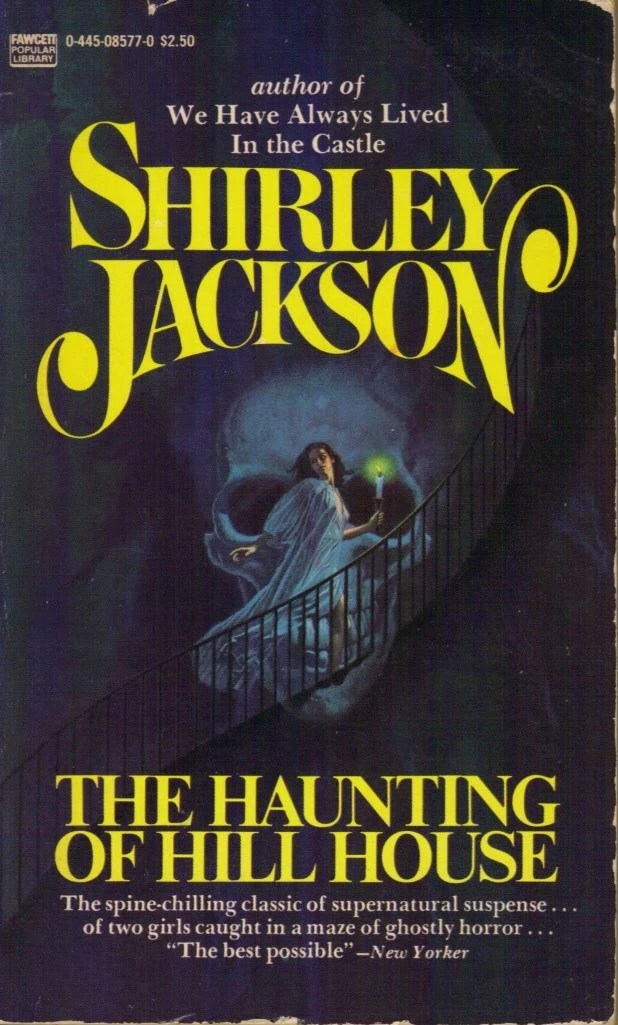
The setting of Hill House is quintessentially Gothic. Its architecture, filled with dark corners and oppressive silence, evokes a sense of dread. The house is isolated, standing as a foreboding presence that seems to breathe and watch. This environment reinforces the novel’s themes, serving as a backdrop that enhances the psychological and supernatural elements. The setting’s gothic attributes invite readers to lose themselves in its haunting beauty and terror.
Character Vulnerabilities and Development
Jackson’s characters are intricately developed, with vulnerabilities that feel authentic. Eleanor’s insecurities and desires make her a relatable and tragic figure. Her fears, both internal and external, drive much of the narrative tension. The characters’ flaws and griefs are woven into the story, making their interactions with Hill House deeply personal. This complexity ensures that the horror feels intimate, emerging from the choices and psyches of the characters themselves.


I’d love to hear what you think, please comment below.