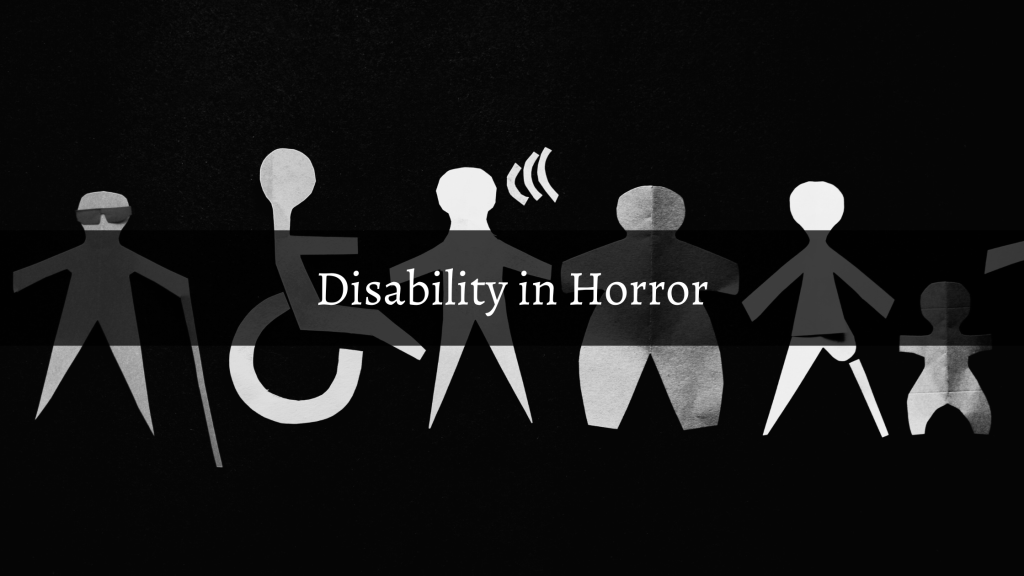
Horror transformations often do more than scare us; they can also reveal deep fears about disability and difference. When characters change into monsters, those shifts can mirror how society views and stigmatises disability. In this blog, you’ll see how horror narratives link metamorphosis with real-world biases, challenging what “normal” means and how identity gets shaped by fear.
Monsters and Disability
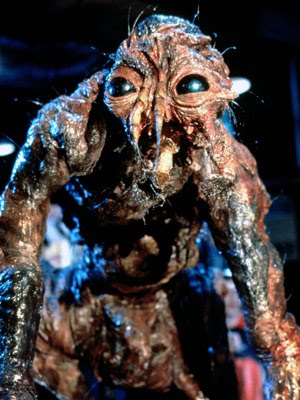
In stories, these transformations highlight the fear of the unknown, as they reflect society’s discomfort with physical and mental differences. Let’s look at classic film, in “The Fly,” the protagonist’s change into a monstrous being can be seen to symbolise the fear of losing control over one’s body. It could be read as a metaphor for how disability can feel unpredictable and about the fear of becoming different. Characters like these challenge the concept of a “normal” body, as they make viewers confront their biases. By being read to embody disability, they force us to see how we stigmatise those who don’t fit societal norms. This link between horror and disability is a powerful commentary on inclusion.
Stigma of Disability in Horror
Horror often uses disability as a tool to evoke fear, which in turn creates a stigma that affects real people’s lives. Movies with disabled characters tend to portray them as villains or victims, which reinforces harmful stereotypes. The 2016 film “Don’t Breathe” features a blind antagonist whose disability is used to heighten fear, feeding into the idea that disability is something to be scared of. This portrayal isn’t just in movies; literature follows a similar pattern. In “Frankenstein,” the creature is initially feared for his appearance, not his actions, which can be read to reflect societal tendencies to judge based on looks alone. We need to rethink these depictions, as by understanding how horror stigmatises disability, we can challenge these narratives. We can advocate for more nuanced portrayals that reflect real experiences.
For a more detailed analysis than what I provide here, try reading Disability and the Gothic: The Nineteenth Century by Essaka Joshua.
Identity and Monstrosity
When does a person become a monster? Horror transformation narratives explore what it means to belong. They challenge us to redefine monstrosity and humanity. Consider the tale of “Jekyll and Hyde” the duality of the character explores the complexity of identity. It’s not just about good and evil; it’s about the struggle to accept all parts of oneself. This can easily be said to mirror the journey many face in accepting their differences.
Horror narratives can allow us to see beyond the monster, to the person within and by doing so, they encourage empathy and understanding. They challenge us to see “monstrous” traits as part of the human experience. The next time you watch a horror film, think about what the transformation represents. Is it merely for fright, or does it offer a deeper commentary on society? By examining these stories, we can begin to dismantle the fears and biases they reflect. In conclusion, horror transformations are more than just thrilling narratives. They hold a mirror to societal fears about disability and difference. By understanding these themes, we can challenge the way we perceive others and ourselves.
If you’re interested in horror’s impact on societal views, explore The Horror Genre’s Ableist Underbelly from the Artifice.
 Katie Marie Robinson-Sherlock
I’d love to hear what you think, please comment below.