Body-swapping technology in horror stories isn’t just a wild sci-fi idea; it’s a chilling metaphor for agency loss and dissociative identity. When characters find themselves trapped in another’s body, their grip on the inner self slips, sparking a deep identity crisis. These narratives about identity expose the fear of losing control, revealing psychological horror that hits closer to home than you might expect. To understand the chilling effect of body-swapping in horror, we must delve into the metaphorical loss of agency it represents.

Body-Swapping
In horror, body-swapping technology often leaves characters grappling with their sense of self. Imagine waking up in someone else’s skin, unable to recognise the person in the mirror. This unsettling shift is about more than physical transformation; it’s a deep dive into the loss of control. These stories are compelling because they tap into the universal fear of losing who we are. When you see a character struggle with another’s identity, you feel that fear and are often left questioning your own sense of self and autonomy.
Dissociative identity is a common theme in narratives about identity. Characters often face a fractured self, leading to an intense identity crisis. This split creates a haunting psychological horror that resonates with the audience. When someone is forced into another identity, the struggle is real. The mind rebels, trying to retain a grip on what it once knew. This battle becomes a core element of the horror, illustrating the chaos and fear of losing one’s identity.
Autonomy is the ability to control your own life, and in these stories, it’s taken away. Characters find themselves trapped, unable to make choices. The horror grows as they fight to regain control. The inner self is fragile in these scenarios. Stripped of autonomy, characters must confront who they truly are. This introspection can be terrifying, revealing truths they might rather ignore. It’s a reminder to cherish the freedom to be yourself.
Trapped in Another Body
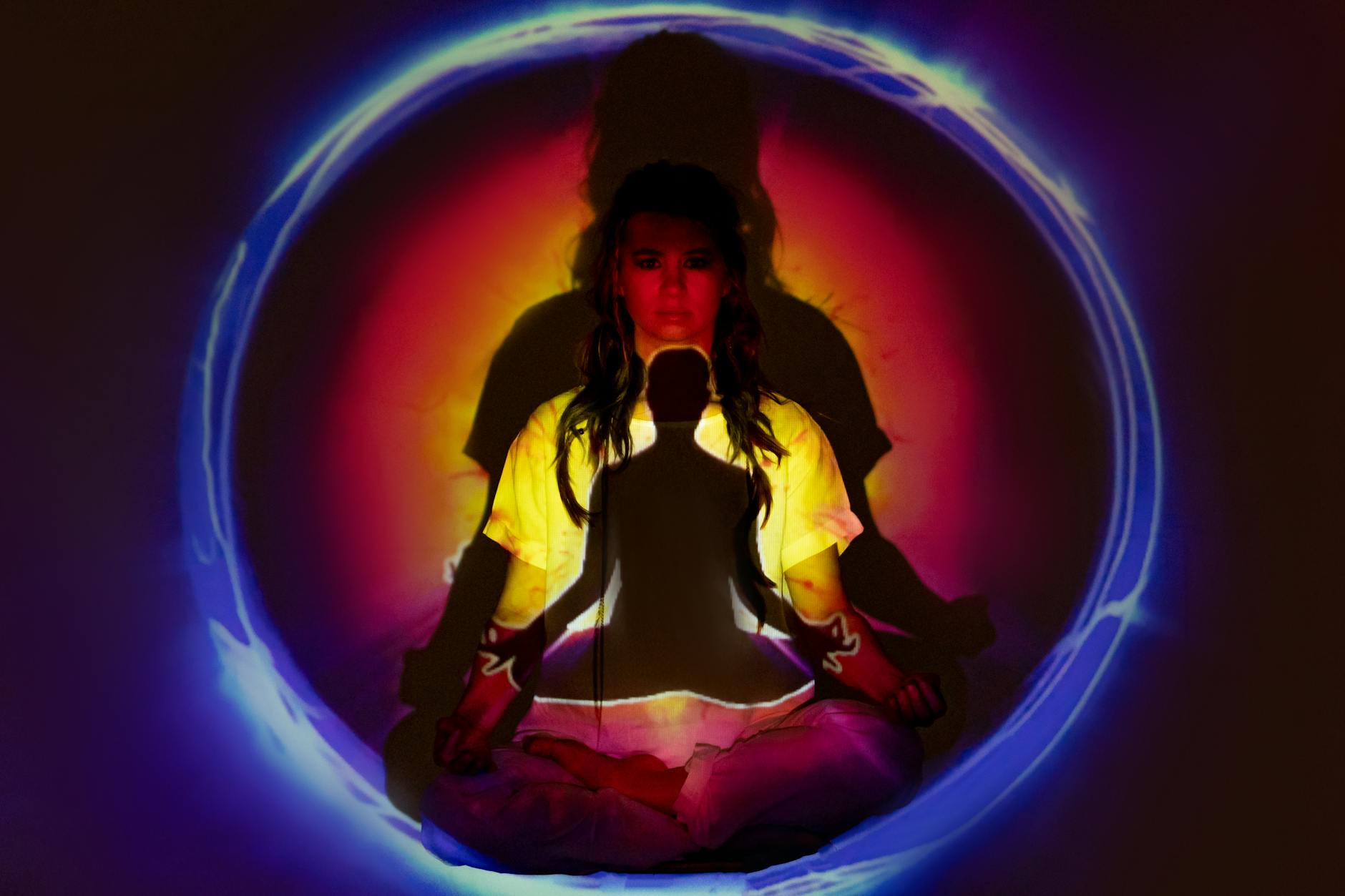
This scenario is a metaphor for agency loss and identity crisis. It forces characters to confront the terrifying reality of being trapped without a way out. This situation creates intense psychological horror, due to their struggling to adapt to a new identity while retaining their own. Characters must navigate a world that no longer makes sense. It’s a chilling reminder of how easily our autonomy can be snatched away.
The psychological terror in these stories is profound. It’s not just about the physical horror of body-swapping, but the mental struggle that follows. The fear of losing oneself becomes all-consuming, driving the narrative to its terrifying peak. Psychological horror in these narratives is intense because it feels real. It speaks to our deepest fears and anxieties, showcasing the terror of losing control over our own mind and actions.


I’d love to hear what you think, please comment below.