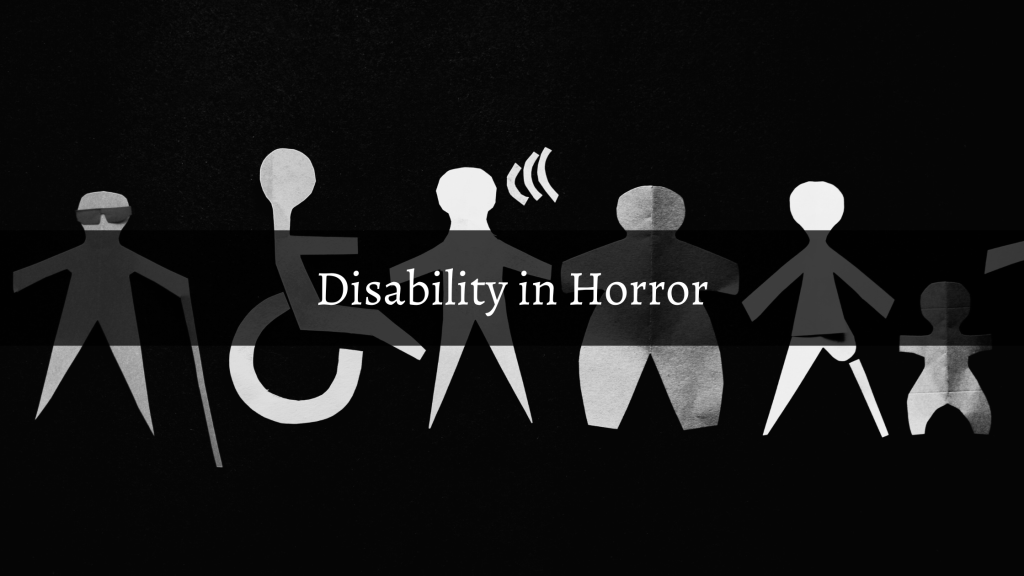
In Robert Louis Stevenson’s Dr. Jekyll and Mr. Hyde, the tension between public image and private desires plays out as a gripping battle within the human psyche. By exploring the dual selves of Jekyll and Hyde, you’ll see how the mental illness metaphor reveals deeper anxieties about identity and moral dilemmas. This story warns what happens when inner conflict goes unchecked, making it as relevant now as it was over a century ago.
Jekyll and Hyde: A Dichotomy
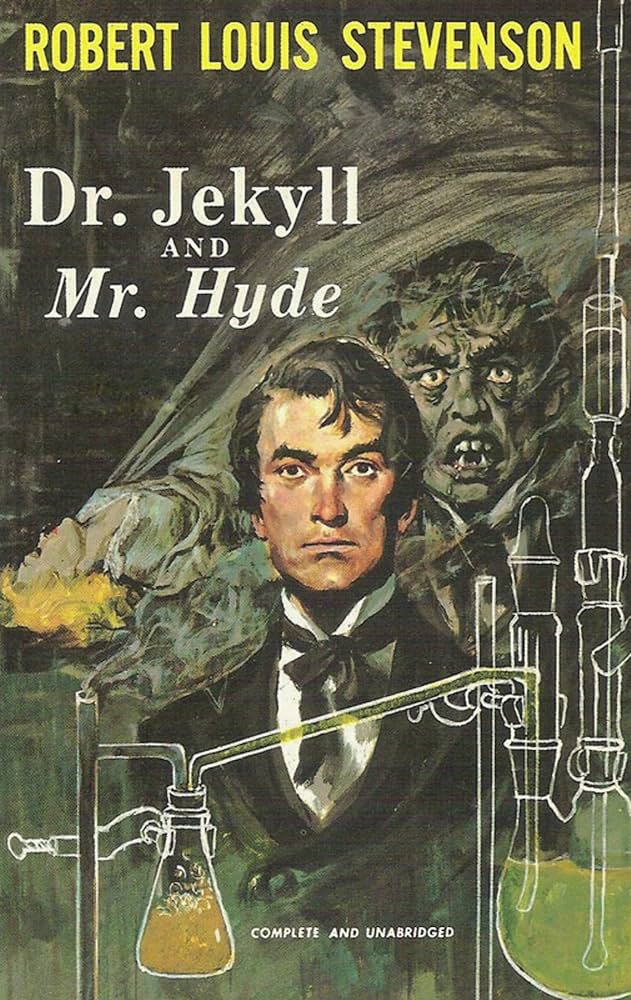
In Stevenson’s novella, the characters of Jekyll and Hyde personify the dual selves present in every individual. Jekyll is the respectable doctor, the face he shows to the world. Meanwhile, Hyde is his darker side, the embodiment of his suppressed desires. This split represents the ongoing battle between what society expects and what we secretly yearn to do. Many people see themselves in Jekyll, striving to maintain their public persona. But the truth is, everyone also has a Hyde lurking beneath, waiting for a chance to surface. This narrative captures the tension we all feel, making it relatable across generations, hence why it is such an enduring tale.
Inner Conflict and Societal Pressure
The Victorian era was a time of strict social codes, which added immense pressure to uphold an ideal image. People were judged not by their inner qualities, but by their adherence to societal norms. Jekyll’s internal conflict mirrors this tension, as he grapples with expectations versus his repressed desires. In today’s world, where social media often presents a curated version of life, this theme remains extremely relevant, though slightly different. People still struggle to reconcile their public image with their private thoughts. Stevenson’s tale warns against the dangers of succumbing to societal pressure, urging a balance between authenticity and conformity.
Victorian society placed a heavy emphasis on morality, often to the detriment of personal expression. This created a breeding ground for inner turmoil, as individuals navigated the gap between public virtue and private vice. Jekyll’s decision to create Hyde stems from a desire to escape these constraints. But what happens when morality is dictated by society rather than by personal conviction? Stevenson’s work challenges us to question the source of our values and prompts a reflection on the moral dilemmas we face today, where the line between right and wrong is often blurred.
Human Psyche in Turmoil
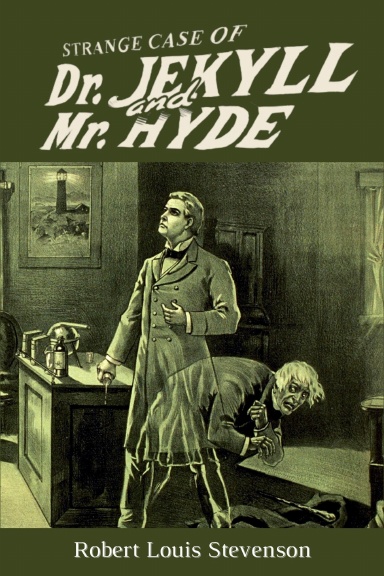
The transformation from Jekyll to Hyde symbolises the turmoil within the human mind. This struggle can also be seen as a reflection of the mental illness metaphor, highlighting the chaos that can ensue when desires are left unchecked. Jekyll’s descent into madness illustrates the consequences of denying one’s true nature. Psychology often refers to this as the struggle between the id and the ego, where primal urges clash with rational thought. Stevenson’s depiction of this battle serves as a reminder that mental health is a crucial aspect of overall well-being.
Repression is a key theme in the novel (unsurprisingly), as Jekyll hides his true self to fit societal moulds. This act of suppressing identity leads to the creation of Hyde, a persona free from societal constraints. The novella underscores the pitfalls of ignoring one’s identity in favour of external validation. In many ways, this mirrors how people today struggle to express their true selves in a world filled with surveillance and judgment. Stevenson’s warning is clear: denying your identity can have dire consequences. It’s a call to embrace authenticity, despite societal pressure.
Unchecked desires manifest as Hyde in the story, wreaking havoc without remorse. This transformation serves as a cautionary tale about the dangers of overindulging in forbidden impulses. Jekyll’s fate is a stark reminder of what can happen when desires override reason. The story teaches us that balance is crucial as embracing desires without restraint leads to destruction, yet complete denial only breeds further conflict. Finding harmony between these extremes is key to maintaining mental and emotional health.
Moral Implications in Gothic Fiction
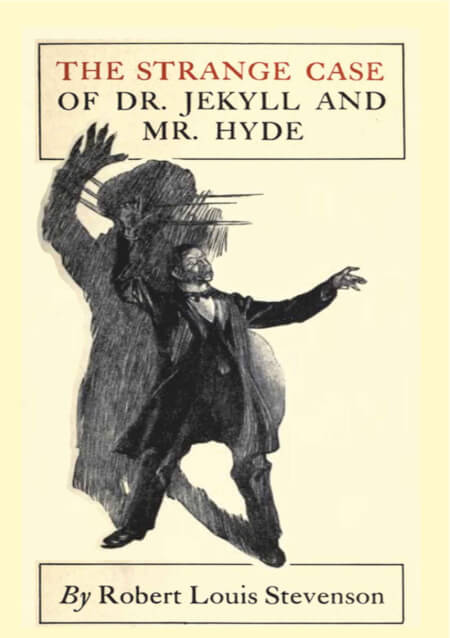
Gothic fiction often explores themes of morality, using horror elements to delve into ethical dilemmas. In Dr. Jekyll and Mr. Hyde, Stevenson uses the supernatural to question the nature of good and evil within us all. The moral implications in Stevenson’s work challenge readers to reflect on their values and raises questions about what it means to be good. Is evil is an external force or a part of our inherent nature?


I’d love to hear what you think, please comment below.