
Mary Shelley’s Frankenstein challenges what you think you know about monsters. The story weaves monstrosity into its characters, forcing you to question who the real monster is.
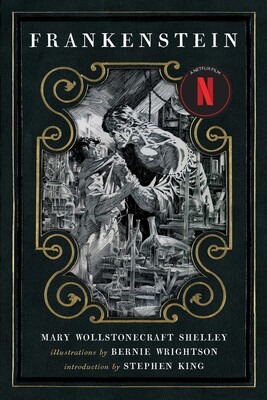
Exploring Monstrosity in Literature
The concept of monstrosity in literature often goes beyond the physical. In “Frankenstein,” the true monstrosity is not just in appearance, but in actions and intentions. The story invites you to rethink what it means to be monstrous and by examining the story, you will start to see how monstrosity is portrayed. Victor Frankenstein, the ambitious scientist, creates life from the dead. However, his project quickly spirals out of control, leading to tragic consequences. His creation, often seen as the monster, is said by many to reflect the darkness within Victor himself. But the reality is that Victor’s behaviour through the story is more monstrous than his creation.
Literature often uses characters to explore deeper societal fears. “Frankenstein” does this by showing how society perceives and reacts to the creature; their fear of the unknown is a recurring theme. Which raises questions about acceptance and prejudice, encouraging you to look beyond surface appearances.
Victor’s actions raise crucial questions about responsibility. His drive to conquer death leads to the birth of a creature he soon abandons. This neglect results in dire consequences for both him and those around him. Victor’s failure to consider the repercussions of his work and his later actions highlights a key theme: the ethical boundaries of science and behaviour. When ambition overshadows caution, the results can be catastrophic, and his lack of foresight and responsibility ultimately causes suffering and death. Victor’s journey is a cautionary tale about the dangers of unchecked ambition and the inability to take responsibility. The novel suggests that true monstrosity lies in the failure to acknowledge his responsibilities.
Bodily Difference and Perception
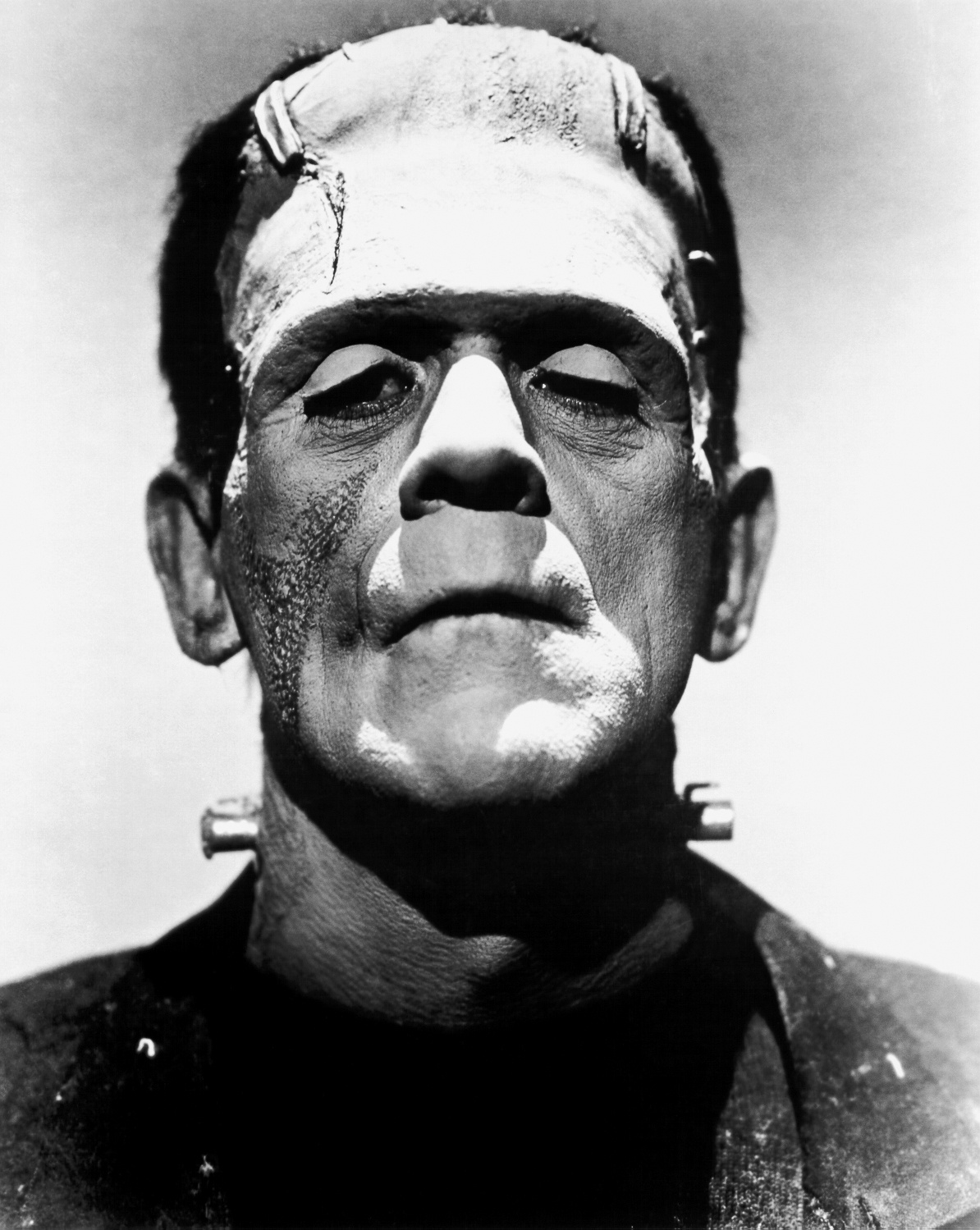
Bodily difference plays a significant role in how characters in “Frankenstein” are perceived. The creature, with its unusual appearance (though really it’s just spooky eyes, he’s not grotesque, that came later with cinema), becomes an outcast, judged solely on looks. This judgment highlights societal fears and prejudices against those who are different. The creature’s struggle for acceptance reflects broader themes of alienation. Despite its intelligence and emotional depth, society cannot see past its exterior. In a world where appearance often dictates acceptance, “Frankenstein” urges a reevaluation of what it means to be truly human. The novel encourages empathy and understanding, prompting you to look beyond the surface.

Victor’s Neglect and Consequences
Victor’s neglect of his creation sets off a chain of tragic events. His initial fascination immediately turns to horror, and he abandons the creature. This abandonment has profound effects, leading to a cycle of revenge and violence. The consequences of Victor’s actions serve as a reminder of the importance of responsibility and care. By leaving his creation to fend for itself, he creates a monster in the eyes of society. The novel suggests that neglect and absence can be as harmful as direct harm. This theme of neglect resonates with broader societal issues. It highlights the impact of abandonment and the need for compassion and understanding in relationships, whether personal or scientific.
Creature’s Quest for Acceptance
The creature’s journey is marked by a quest for acceptance and understanding. Despite its monstrous appearance, it yearns for connection and love. This longing drives much of the narrative and highlights the creature’s humanity. Its repeated rejections by society and its creator lead to anger and despair. The creature’s experiences raise questions about the impact of isolation and prejudice. It serves as a powerful reminder of the need for empathy and acceptance in human interactions. Through the creature’s eyes, the novel explores the pain of exclusion. It challenges readers to reconsider their own judgments and the importance of seeing beyond appearances.
Responsibility Explored
“Frankenstein” delves deep into the ethical implications of unbridled ambition. Victor’s desire to push the boundaries of science results in unforeseen consequences. The novel raises important questions about the limits of scientific exploration. Victor’s failure to anticipate the potential fallout from his experiments serves as a cautionary tale. It underscores the importance of foresight and ethical consideration in scientific endeavors. The consequences of ignoring these principles are woven throughout the story. The narrative suggests that true scientific progress must be paired with responsibility. It challenges you to think about the role of ethics in innovation and discovery.
The novel ultimately suggests that humanity bears responsibility for monstrosity. Victor’s actions and society’s rejection of the creature highlight how human behavior can create monsters. This theme encourages reflection on the impact of actions and attitudes. By examining the relationships between characters, “Frankenstein” reveals the complexities of human nature. It shows how fear and prejudice can lead to misunderstanding and violence. The story serves as a warning about the potential consequences of unchecked ambition and lack of empathy.
In conclusion, “Frankenstein” is a rich exploration of monstrosity, scientific responsibility, and societal fears. It urges you to look beyond appearances and consider the ethical implications of your actions. The novel remains a powerful reflection on the consequences of ambition and the true nature of humanity.


I’d love to hear what you think, please comment below.