
Shirley Jackson’s The Haunting of Hill House doesn’t just scare you; it shapes fear through who tells the story and how it’s told. If you’re drawn to psychological horror and literary analysis, this deep look at narrative perspective and character construction will change how you read every haunted tale. Ready to see what lurks in the shadows of storytelling?
Fear Explored
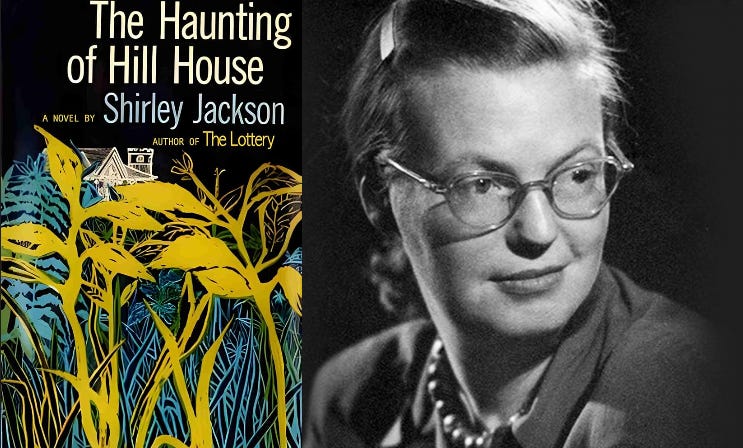
At the heart of Shirley Jackson’s masterpiece lies a unique fear: the terror of losing oneself. Hill House serves as a mirror, reflecting the inner turmoil of its visitors. The fear isn’t just about dark corridors or unseen ghosts; it’s about the dread of facing one’s deepest insecurities. It invites you to question: what if the real horror is your mind unraveling? This novel masterfully draws you into a psychological dance, where the fear of self-loss becomes the most haunting specter.
The threat in Hill House is cleverly woven into the fabric of the story. It’s not just a haunted mansion but a living entity, whispering into the minds of its inhabitants. The house’s power is psychological, exploiting the characters’ vulnerabilities and amplifying their fears. This leads to a chilling question: is the danger from within or the house itself? The ambiguity keeps you guessing, blurring lines between external supernatural forces and internal psychological battles.
Jackson’s narrative evokes a spectrum of fears: from creeping dread to an overwhelming sense of claustrophobia. Each character experiences a different form of terror, making the story universally relatable. You may feel the paranoia of being watched or the moral unease of facing your darkest desires. The novel taps into primal fears, forcing you to confront the unknown not just around you but within your psyche. This multifaceted fear ensures that Hill House lingers long after the final page.
Storytelling Techniques, Perspectives and Characters
Jackson employs a range of storytelling techniques that keep you on edge. Pacing is key: slow, deliberate unfolding builds tension, while sudden shocks jolt you into alertness. Foreshadowing hints at the darkness ahead, while withheld information creates a mystery that begs to be solved. You’re invited to piece together the fragmented narrative, making the horror feel both intimate and universal. Each technique is finely tuned to deepen the sense of unease, ensuring you are never quite sure of what is lurking in the shadows.
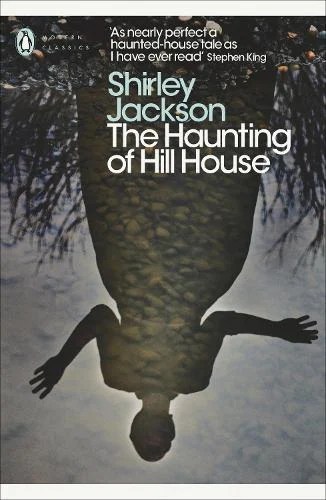
The narrative perspective in Hill House is a masterstroke in cultivating fear. Told through a third-person limited viewpoint, the story delves deeply into the psyche of Eleanor, the protagonist. This choice amplifies her paranoia and insecurity, drawing you into her spiraling descent. You see the world through her eyes, feel her dread, and question reality alongside her. This limited view blurs the line between perception and truth, making the fear more personal and immediate.
Characters in Hill House are crafted with psychological precision. Each one brings their own fears and desires into the haunted space, making them vulnerable to its influence. Eleanor’s longing for belonging and acceptance makes her especially susceptible to the house’s malevolent pull. Through deep character insights, Jackson reveals how fear can emerge from within, playing on personal insecurities and past traumas. This adds a layer of depth to the horror, making it as much about the characters’ internal struggles as the external threats they face.
Character Construction in Horror
Characters are the heart of any story, and in horror, they are the lens through which the sinister is revealed. This section examines their role in Jackson’s tale.
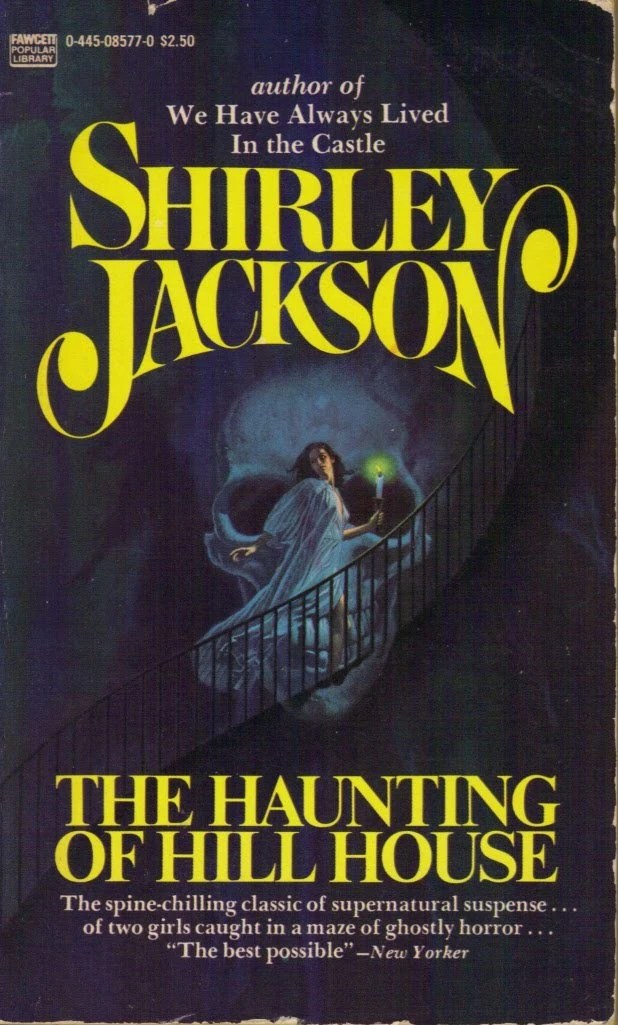
Jackson’s characters are more than just vessels for fear; they are complex individuals with rich inner lives. Eleanor, for instance, is portrayed with an emotional depth that makes her journey both tragic and terrifying. Her psychological struggles give her a conviction that pulls you in, making her fears your own. The novel’s success lies in how convincingly it portrays these inner battles, adding layers to the horror that resonate on a personal level.
The choices characters make in Hill House are pivotal to the unfolding horror. Eleanor’s decisions, driven by her need for acceptance and escape from her past, lead her deeper into the house’s grip. These choices, both conscious and subconscious, shape the narrative, illustrating how personal agency can be both empowering and destructive. As characters navigate the haunted halls, their decisions reveal how tightly horror is interwoven with the human experience, making the terror all the more real.


I’d love to hear what you think, please comment below.