
Shirley Jackson’s The Haunting of Hill House doesn’t just drop you into a spooky setting, it makes the house itself pulse with unease, blurring lines between place and presence. In this literary analysis, you’ll see how atmosphere and setting become key players, shaping horror through language, rhythm, and shadowed themes that reach far beyond ghost stories.
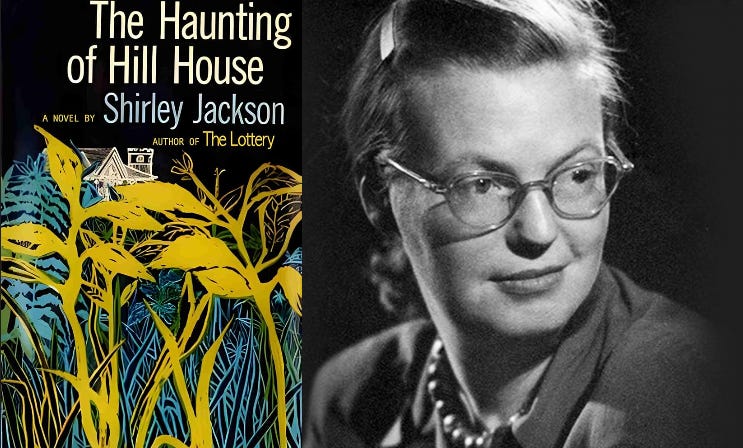
Crafting Atmosphere
Hill House isn’t just a backdrop, it’s a dynamic participant. As you read, notice how the house influences emotions and events. It looms with an oppressive presence, almost breathing with the characters. Each creak and shadow adds to the tension. The house’s architecture itself seems to conspire against its inhabitants, twisting perceptions and warping reality. This connection between setting and character heightens the suspense, making Hill House a character in its own right.
Gothic elements saturate the novel, creating a chilling vibe. You step into a world of dark corridors and hidden secrets. The Gothic style, with its eerie and mysterious qualities, envelops the reader. The house, old and unwelcoming, draws on classic Gothic motifs. Shadows dance across walls, and whispers echo in empty rooms. The setting evokes a sense of dread and foreboding, inviting you to uncover its secrets.
Language and Style
The novel’s language and style amplify the horror, using rhythm and imagery to create unease. Jackson crafts each sentence to build tension and evoke fear.
The rhythm of Jackson’s prose captivates, drawing you into its chilling embrace. Short, fragmented sentences mirror the characters’ anxiety. This staccato rhythm keeps you on edge, mirroring the unpredictable nature of the house itself. As you read, the tension mounts, each word chosen to sustain the suspense. Jackson’s skillful use of rhythm makes the horror feel immediate and real, keeping you hooked and eager to turn the page.
Jackson’s use of imagery makes horror palpable. She paints vivid pictures that linger in your mind. The novel’s descriptive language captures the sights and sounds of terror. Words evoke unsettling images, like the cold touch of a ghostly hand or the oppressive darkness of a room. The sensory details pull you into the story, making the horror tangible.
Unveiling the Threat
The novel’s threat lies in its subtlety, revealing a symbolic monster that challenges your understanding of fear. Jackson masterfully maintains an air of mystery.
The monster in Hill House isn’t a physical entity, but a psychological force. It symbolizes the characters’ fears and insecurities. Each character battles inner demons, with the house amplifying these struggles. The true horror emerges from within, as personal anxieties manifest in terrifying ways. This exploration of psychological horror adds depth to the narrative, making the threat more complex and unsettling.
Jackson preserves mystery by refusing to overexplain the horror. The unknown looms large, leaving you to ponder the nature of the threat. This ambiguity fuels fear, as you grapple with unanswered questions. The house holds secrets, but not all are revealed. By maintaining this mystery, Jackson keeps you engaged, urging you to seek answers within the shadows.


I’d love to hear what you think, please comment below.