
Shirley Jackson’s The Haunting of Hill House doesn’t just tell a story, it pulls you into a maze of suspense and unease that lingers long after the last page. If you think you know how psychological horror works, this Shirley Jackson review will challenge your assumptions. Let’s unpack how the book shapes your emotions, how its ending shifts everything, and which craft choices make it a cornerstone in horror literature analysis.
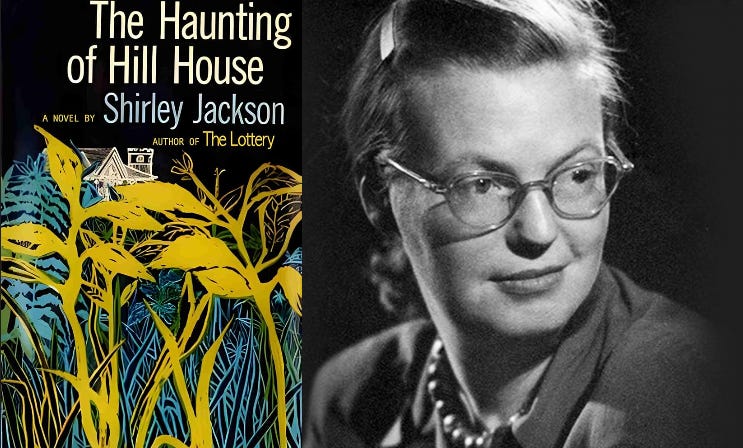
Reader’s Emotional Response
The Haunting of Hill House is a masterclass in evoking emotional responses. It grips you with its atmospheric tension and doesn’t let go. Let’s explore the feelings it unearths.
From the moment you step into Hill House, you’re met with a sense of foreboding. The air is thick with mystery, and each creak or shadow hints at something hidden. Jackson’s writing taps into primal fears, making you question what’s real and what’s imagined. The characters’ interactions with the house amplify this unease. They reflect your own uncertainty, drawing you deeper into the narrative.
Jackson’s skillful characterisation adds layers of empathy. You feel Eleanor’s isolation and vulnerability, which heightens the tension. As you connect with her, the house’s hold strengthens. Her journey becomes personal, blurring the lines between reader and character. This connection is the key to the book’s immersive horror.
Once the story closes, you’re left with more questions than answers. The discomfort lingers, urging you to revisit the house’s secrets. Jackson designs the narrative to echo in your mind, forcing you to consider the implications. Was the horror external, or was it all in the mind? This ambiguity fuels ongoing curiosity, driving discussions long after the book is shelved.
The psychological undertones remain with you, influencing how you perceive other stories in the genre. This lasting effect distinguishes Hill House from other horror tales. It challenges you to consider the unseen forces at play, both in fiction and reality.
The emotional impact of Hill House is profound. You’re not simply frightened; you’re unsettled on a deeper level. Jackson’s subtle horror techniques ensure the book’s themes resonate with you. They tap into the fears you might not even know you have. This emotional depth is what sets The Haunting of Hill House apart as a classic.
The novel’s ability to provoke thought and emotion is a testament to its craftsmanship. It’s a haunting experience that transforms how you see horror. The longer you wait to explore its depths, the more it haunts your thoughts, demanding a deeper dive into its pages.
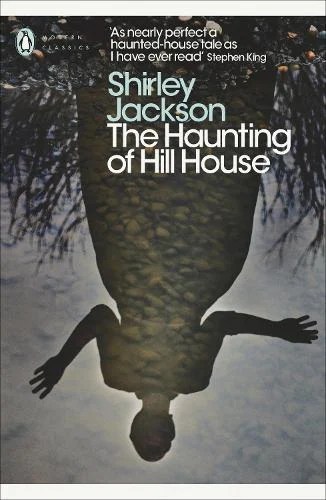
The Ending of Hill House
The conclusion of Hill House brings its own set of emotions. It leaves you pondering the nature of its resolution. Did it truly resolve, or did it disturb the waters even more?
The ending of Hill House is deliberately ambiguous. You’re left balancing on the edge of resolution and disturbance. Some readers find closure in its finality, while others feel the disquiet of unanswered questions. This duality invites multiple interpretations, enhancing the book’s allure. As you close the book, the ending lingers, reshaping your understanding of the entire story.
The power of this ending lies in its capacity to provoke discussion. You’re compelled to explore the layers and implications of what transpired. This engagement is a hallmark of effective horror literature.
Emotionally, the ending delivers a punch. It resolves the narrative arc while simultaneously unsettling the reader. You’re left with a mix of satisfaction and curiosity. The thematic elements reach a crescendo, reinforcing the book’s psychological depth. Jackson crafts an ending that pays off the buildup, offering both insight and mystery.
The ending also enhances the book’s thematic richness. You’re prompted to reconsider the motifs woven throughout the story. This thematic complexity makes Hill House a rewarding read, encouraging multiple revisits.
After finishing Hill House, you’re invited to reinterpret previous events. The ending reshapes your perception of the characters and their experiences. You’re urged to question the reliability of the narrative. This reinterpretation adds depth, making each read a fresh experience. Jackson’s skill lies in her ability to make you rethink the story in light of its conclusion.
The shifting perspectives enrich your understanding of the book. You’re encouraged to look beyond the surface, exploring the psychological nuances that make Hill House a standout piece in horror literature.
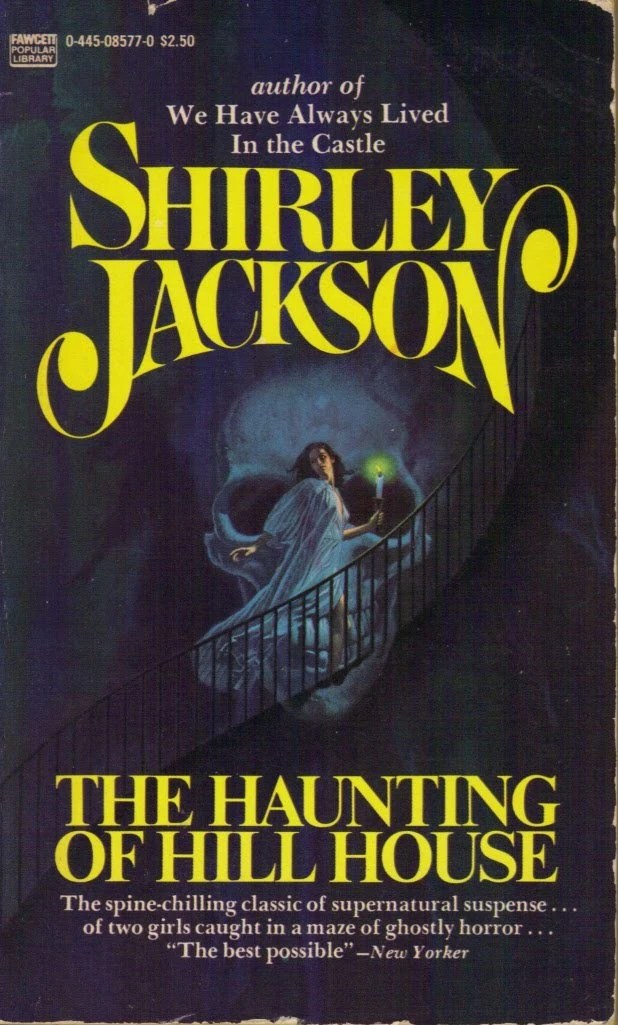
Craft Choices in Horror
Shirley Jackson’s craft choices in Hill House are pivotal to its success. Her techniques elevate it beyond a simple ghost story. Let’s delve into what makes it a cornerstone in horror.
Jackson employs a range of techniques to craft an engaging narrative. Her use of atmosphere is unmatched, creating a tangible sense of place. Each description of Hill House is laden with unease, drawing you into its world. You’re immersed in its oppressive ambiance from the first page.
Character development is another key aspect. Eleanor’s journey is central, and Jackson pours depth into her characterisation. You feel her isolation, making the horror more personal. This connection amplifies the tension, as her experiences become your own.
While Hill House is masterful, there are moments where tension loosens. Some readers may find the pacing uneven, with certain scenes stretching longer than necessary. These pauses briefly alleviate the suspense, offering a momentary reprieve. Yet, Jackson uses these lulls strategically, setting up the following scenes for a greater impact.
The ebb and flow of tension keeps you on edge, though some may wish for a tighter grip. Jackson’s ability to balance these moments showcases her skill in manipulating reader emotions.
The Haunting of Hill House is a landmark in horror literature. It contributes significantly to the genre by blending psychological and supernatural elements. Jackson’s exploration of fear, both external and internal, sets a precedent for future works. Her nuanced approach challenges traditional horror narratives, encouraging deeper analysis.
The book’s impact is evident in its enduring popularity. It continues to influence writers and filmmakers, cementing its place in horror history. Jackson’s work demonstrates the power of subtle horror, where the greatest scares lie within.


I’d love to hear what you think, please comment below.