
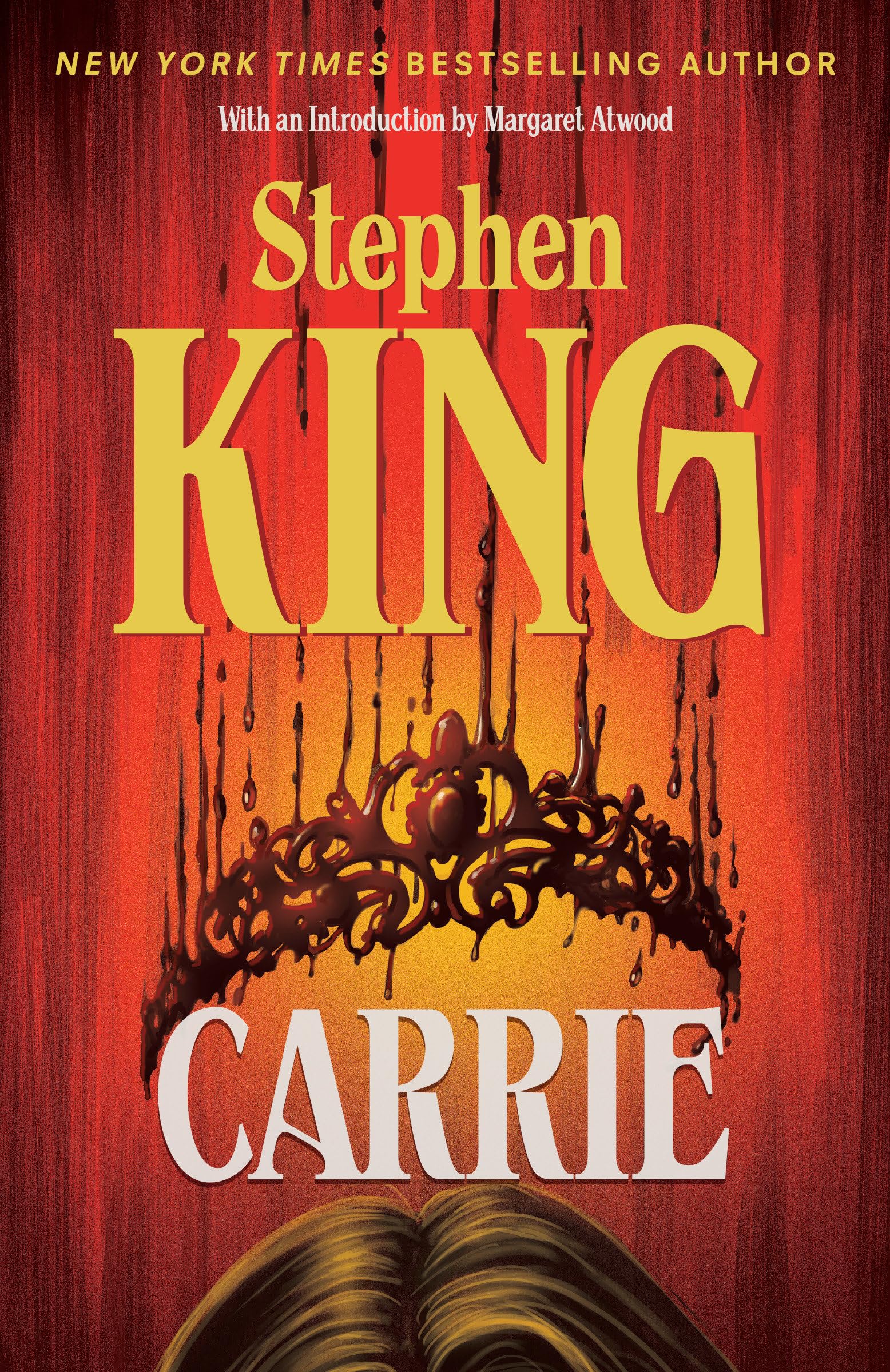
Stephen King’s Carrie is much more than a tale of supernatural horror. It captures the raw tension of adolescence, weaving shame, religious control, and collective cruelty into its setting and style. In this second part, you’ll see how the eerie atmosphere and haunting prose make the story’s place feel alive, almost like another character. Let’s unpack the layers of Gothic literature, unsettling themes, and King’s writing style that keep this novel gripping decades later.
Atmosphere and Setting
King crafts a setting where every detail matters. The town of Chamberlain is ordinary, yet King infuses it with tension. You can almost feel the chill of the gymnasium during prom night, or the oppressive atmosphere of Carrie’s home. The setting becomes a stage where the drama unfolds, making you feel like you’re right there with Carrie. Throughout the novel, the contrast between the mundane and the supernatural is stark. This mix amplifies the horror and keeps you guessing. King’s depiction of small-town life is so precise and evocative that it makes the extraordinary events even more jarring. This is where Carrie’s world truly comes alive, urging you to keep reading.
The novel dances between Gothic and domestic elements, creating a unique blend. The Gothic aspects are clear in the eerie mood and the ominous presence of Carrie’s mother. Yet, the domestic elements ground the story in reality. This duality is what makes Carrie’s struggle so relatable. King uses familiar settings to heighten the tension. The high school, a seemingly safe place, becomes a battleground. The home, meant to be a haven, turns into a place of fear. This interplay keeps you on the edge, questioning the safety of the characters.
In Carrie, the setting plays an active role in shaping the narrative. It’s as if the town itself conspires against Carrie. The oppressive atmosphere reflects her internal turmoil, making the external conflicts more intense. King’s skill lies in making the setting feel like a character with its own intentions. As the story unfolds, you sense the town’s role in Carrie’s fate. This approach deepens the narrative, adding a layer of complexity that enhances the horror.

Language and Style
King’s prose is both precise and impactful. Short, punchy sentences create a rhythm that mirrors the story’s tension. This technique keeps you engaged, making it hard to look away. The rhythm of the sentences builds suspense, creating an urgent pace. This is especially evident during intense scenes, where the rapid-fire prose mirrors Carrie’s escalating emotions. It’s a style that pulls you in and doesn’t let go.
Imagery is a powerful tool in King’s arsenal. His descriptions are vivid and visceral, painting a picture that lingers in your mind. The sound of a heartbeat, the crackle of fire, these details enhance the horror and draw you into the scene. King’s use of sound amplifies the fear. The creak of a door or the whisper of a voice adds a layer of dread. These elements work together to create a sensory experience that immerses you in Carrie’s world.
Metaphors in Carrie are not just literary devices; they evoke physical sensations. You can almost feel the heat of the flames or the chill of fear. These metaphors add depth, making the horror feel real. King’s ability to evoke bodily sensations through words is remarkable. It’s a technique that brings the supernatural elements to life, making them tangible. This approach is what makes Carrie’s world so immersive and haunting.

Themes in Carrie
Adolescence is a turbulent time, and King captures this with precision. Carrie’s struggles with identity and acceptance are central to the story. Her journey mirrors the real-life challenges many face during this tumultuous period. The novel delves into the complexities of adolescence, highlighting the pressure to fit in and the fear of standing out. King’s portrayal of Carrie’s inner turmoil is both relatable and heartbreaking, making her story compelling.
Religious themes in Carrie are potent and thought-provoking. Carrie’s mother represents the oppressive force of religious control. This dynamic adds a layer of tension, as Carrie grapples with guilt and shame. The impact of religious control on Carrie is profound. It shapes her actions and influences her perception of the world. King uses this theme to explore the destructive power of fanaticism, making it a pivotal part of the narrative.
The theme of collective cruelty is central to Carrie’s story. The bullying she endures highlights the darker side of human nature. King doesn’t shy away from showing the consequences of cruelty, making it a powerful theme. Carrie’s experiences reflect the impact of cruelty on an individual. The novel serves as a reminder of the importance of empathy and kindness. It’s a theme that resonates, urging you to consider your own actions and their effects on others.


I’d love to hear what you think, please comment below.