
The Witch is a quiet, creeping terror that lingers long after the credits roll. If you want to understand how atmosphere, framing, and pacing come together to unsettle your mind, this three-part review breaks it down. Prepare to see how subtle visuals and tense editing create psychological horror films that stay with you.
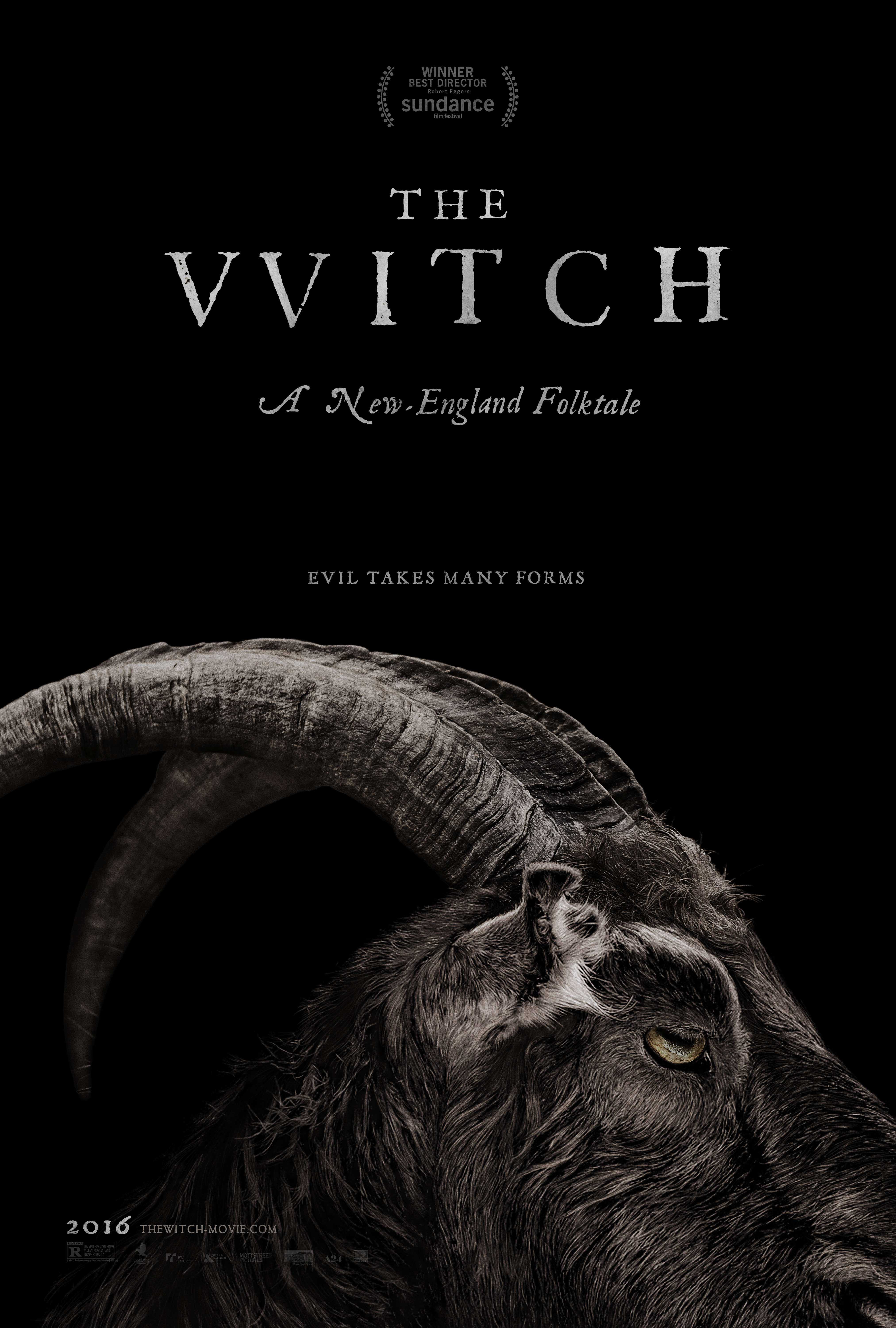
Unveiling The Witch’s Horrific Premise
At its core, The Witch delves into the primal fear of the unknown. The film centres around a family’s isolation in the wilderness, where their strict beliefs become their cage. It highlights the fear of alienation and the uncertainties that lurk beyond the safety of community. The family’s struggle with religious paranoia and the wilderness’s untamed nature creates an ever-present dread. This narrative taps into the fear of losing control, blurring the line between reality and superstition. The Witch film analysis shows how these elements craft a psychological horror that unsettles you long after viewing.
Horror in The Witch thrives on atmosphere rather than spectacle. The film employs a slow burn approach, prioritising psychological unease over visceral shock. Its setting in the eerie, desolate woods amplifies the sense of isolation and vulnerability. The film immerses you in an environment where every rustle and whisper heightens the tension. By focusing on atmosphere, The Witch strips away the need for overtly violent scenes, instead letting suspense and uncertainty seep into every frame. This method keeps viewers on edge, questioning what lies beyond the shadows.
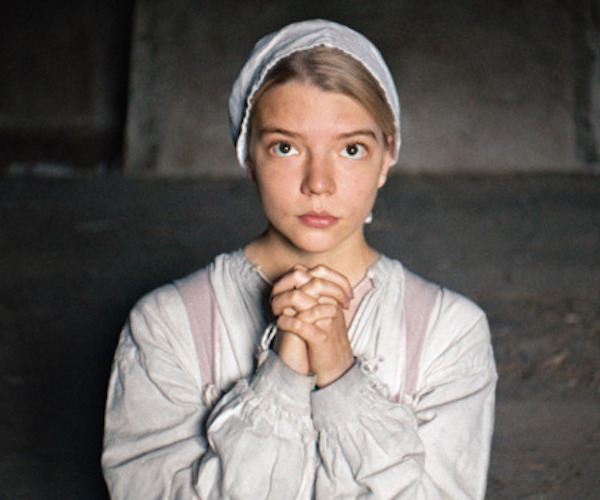
Visual Storytelling in The Witch
Director Robert Eggers meticulously crafts each scene, utilising the frame to dictate what you see and what remains hidden. The use of tight shots captures the characters’ isolation and desperation. Wide shots, on the other hand, let the surrounding wilderness swallow the family, emphasising their insignificance. This thoughtful composition directs your attention, fostering a sense of claustrophobia and helplessness. Empty spaces and off-screen sounds play on your imagination, feeding your fear of the unseen. The Witch film analysis demonstrates how these techniques create a haunting, immersive experience.
Lighting and shadow are pivotal in crafting the film’s chilling atmosphere. Soft, natural lighting contrasts with deep shadows, symbolising the fragile line between safety and danger. Night scenes, shrouded in darkness, amplify the fear of the unknown. Shadows obscure and reveal, playing tricks on the eye and mind. This deliberate use of light and dark enhances the film’s eerie tone. It invites your imagination to fill in the gaps, making the horror feel personal and immediate. The Witch’s use of lighting turns each scene into a visual symphony of suspense.
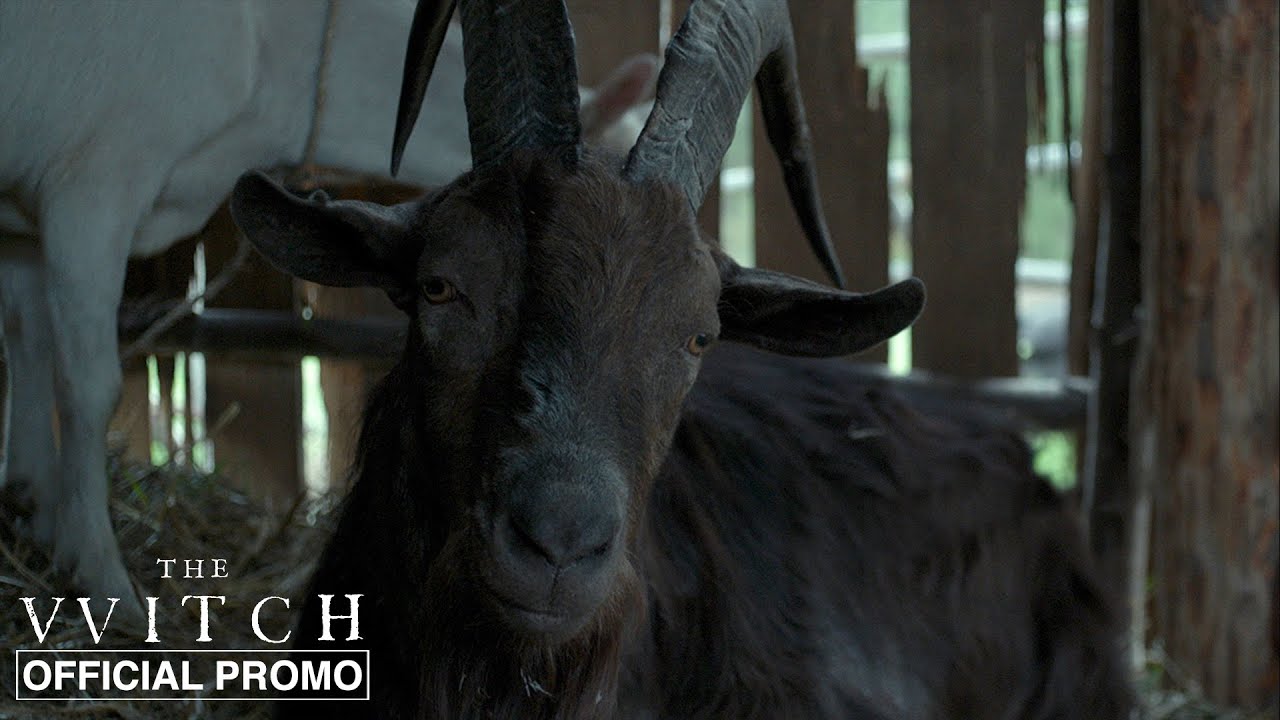
Cinematography and Pacing Techniques
The camera in The Witch often adopts a voyeuristic perspective, making you feel like an intruder in the family’s world. It lingers, capturing intimate moments and forcing you to witness the characters’ descent into madness. This perspective creates a sense of complicity, as if you’re participating in their torment. The camera’s control over what you can and cannot see builds a sense of entrapment. You’re drawn into their plight, unable to escape the growing tension. This technique ensures that you remain engaged, feeling every moment of their despair.
The film’s editing carefully paces each scene, allowing dread to accumulate slowly. Long takes draw you in, letting the silence amplify your anticipation. Sudden cuts and shifts in perspective jolt you, breaking the tension at unexpected moments. This rhythm keeps you on edge, never allowing you to settle into comfort. The timing of scares is precise, ensuring maximum impact without relying on clichés. The Witch’s methodical pacing and editing create an immersive experience, where every scene builds upon the last, leading you deeper into its unsettling world.


I’d love to hear what you think, please comment below.