
Beneath the Witch’s eerie atmosphere lies a complex web of grief, family tensions, and more subtle horrors tied to gender, religion, and colonialism. This third part of the review peels back the layers to reveal how its themes and horror subtext shape the story, and why its haunting ending stays with you long after the credits roll.
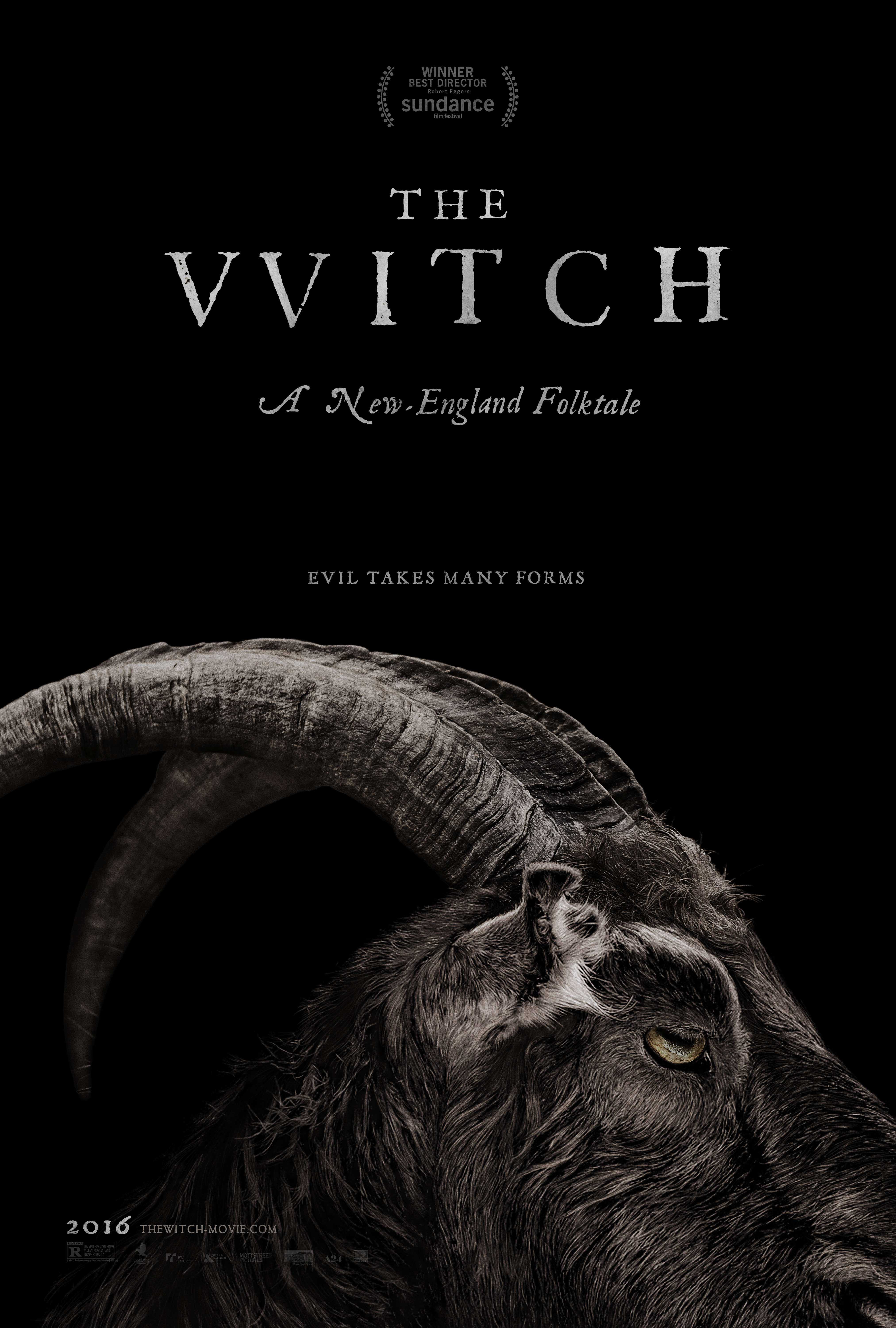
Themes and Subtext Analysis
At the heart of The Witch lies the tension within a family isolated from their community. They face external threats and internal fears, which mirror the struggles of maintaining faith and unity. This situation serves as a mirror to the audience, reflecting familial and societal challenges that are all too familiar. The isolation they experience is not just physical but emotional, highlighting the theme of survival in the face of adversity.
A deeper look reveals how fear of the unknown drives the family’s actions. They are caught in a spiral of suspicion, paranoia, and desperation. These emotions are universal and relatable, making the film’s core not just about supernatural elements but about the human condition itself. The film challenges viewers to consider what they would do when faced with similar terrors.
The horror in The Witch is not always overt. Instead, it’s woven into the fabric of daily life and ordinary actions. The film’s eerie atmosphere is enhanced by its focus on the mundane, which gradually reveals the sinister undercurrents of fear and mistrust. This subtext of horror suggests that the scariest elements are not what lies outside but what festers within.
Religious themes are central to this subtext. The family’s strict adherence to their beliefs becomes both their guiding light and their downfall. Their faith is tested in ways that question their moral compass and sanity. This exploration of horror through faith and doubt makes the film resonate on a psychological level.
Gender roles and colonialism are significant themes in The Witch. The film presents a patriarchal society where women are often powerless and blamed for misfortunes. This dynamic is evident in the treatment of the daughter, Thomasin, who becomes a scapegoat for the family’s troubles.
Colonialism is reflected in the family’s struggle to survive in a new world. They must battle the elements and their own fears without the support of a larger community. This isolation amplifies the pressures they face, making their descent into chaos all the more inevitable. The Witch uses these themes to critique historical power structures and their lingering effects.
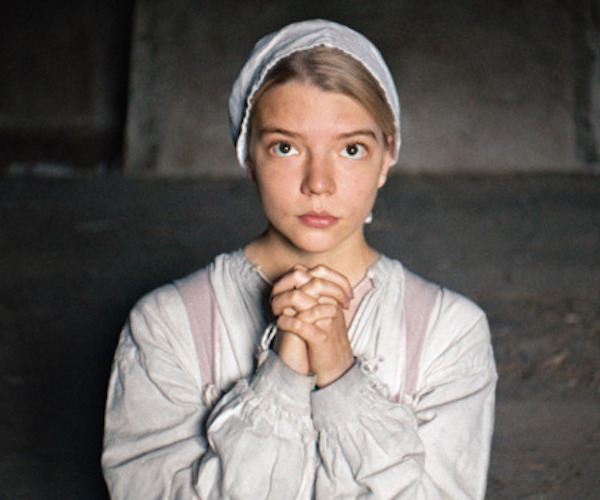
Ending and Final Image
The Witch closes with a chilling transformation. Thomasin, having lost everything, finds a new path that both liberates and condemns her. This ending can be seen as a commentary on the choices women face in oppressive societies. It offers a resolution that is both tragic and empowering, leaving audiences to ponder its implications.
This final act ties together the film’s themes of fear, faith, and freedom. It suggests that the true horror lies in the choices forced upon individuals by their circumstances. The ending invites viewers to reflect on what freedom truly means and at what cost it comes.
The final image of The Witch is both beautiful and haunting. It serves as a perfect conclusion to a film that excels in creating atmospheric tension and emotional depth. The final moment is a testament to the power of visual storytelling in horror cinema.
The resolution in The Witch is complex. It doesn’t offer a neat conclusion but rather transforms fear into acceptance. This shift is unsettling and thought-provoking, challenging viewers to reconsider their perceptions of fear and freedom.
The film suggests that fear is not always something to be conquered but can be embraced as a part of existence. This resolution is both satisfying and disquieting, making The Witch a film that lingers in the mind long after the credits roll.
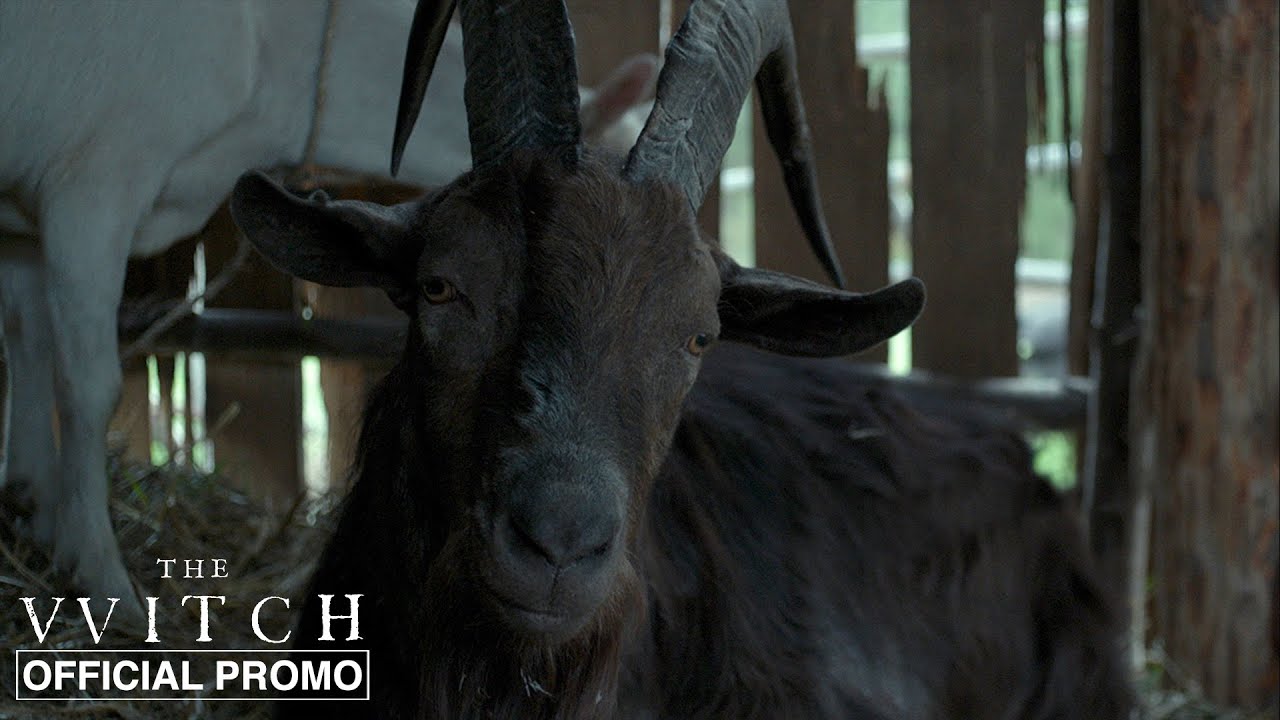
Does It Work?
The Witch excels in using visuals to convey its story. From the bleak landscapes to the intimate close-ups, every shot is crafted to evoke a sense of dread and intrigue. The film’s use of natural lighting and period-accurate settings enhances its authenticity and immerses viewers in its world.
This attention to detail in visual storytelling is what sets The Witch apart. It invites audiences to look beyond the surface and experience the underlying tensions and themes. The film uses every visual element to reinforce its narrative, making it a masterclass in atmospheric horror.
Emotionally, The Witch is a rollercoaster. It grips viewers with its tension and leaves them pondering its deeper meanings. The film’s exploration of fear and family dynamics resonates on a personal level, making it more than just a horror tale.
The Witch is undoubtedly scary, but it also has moments that can frustrate. Its slow pace and ambiguous scenes require patience and interpretation. Some viewers may find this challenging, while others appreciate the depth it adds. The film’s ability to provoke thought and discussion is part of its charm. It doesn’t provide easy answers or conventional scares but instead offers a rich tapestry of horror and meaning. This complex blend makes it a unique experience that rewards attentive viewers.


I’d love to hear what you think, please comment below.