
The Haunting of Hill House novel and The Haunting 1963 film share a chilling foundation, but their paths through gothic horror diverge in fascinating ways. You’ll find some scenes and themes echo across both, yet the shifts in narrative and medium bring unique strengths and challenges. In this comparison, we’ll unpack how each tells its story, what’s gained or lost, and why those choices matter to fans of gothic horror literature and narrative adaptation.
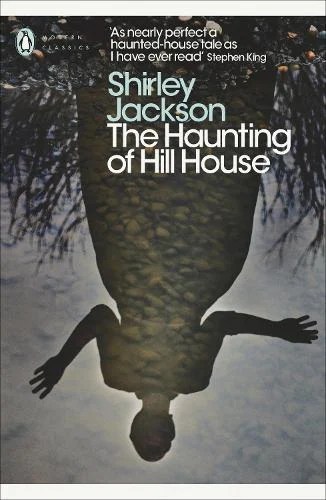
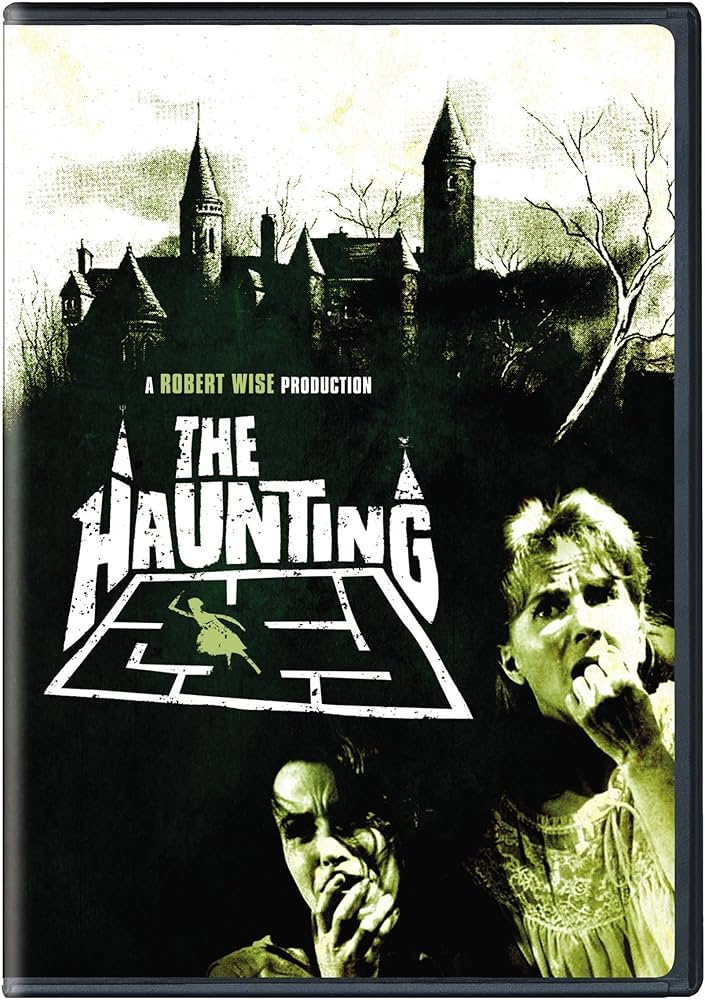
Similarities, Changes and Choices
Both the novel and the film craft an unsettling atmosphere, with Hill House itself as the focal point. The mansion’s eerie presence is felt throughout, casting a shadow over characters as they navigate its mysterious corridors. Eleanor, the character central to both, experiences a psychological journey that intertwines with the haunted environment. Her interactions with other characters, along with the supernatural occurrences, create a cohesive thread between the two mediums. The overarching theme of fear, isolation, and the unknown binds the novel and film, making them quintessential pieces of gothic horror.
However, the 1963 film takes creative liberties with certain story elements, leading to notable differences from the book. Some characters are altered or omitted, enhancing the film’s dramatic focus. The plot’s pacing is adjusted, with scenes compressed to fit the cinematic format. This reimagining shifts the narrative’s emphasis, providing a fresh perspective while retaining the novel’s core spirit. These changes aim to captivate audiences visually, offering a streamlined experience that still captures the essence of the original story.
When adapting a novel to film, certain practical and artistic considerations come into play. The film chooses to highlight visual and auditory elements, bringing the haunting atmosphere to life through tense soundscapes and striking visuals. Artistic choices in cinematography and set design amplify the horror, creating an immersive experience. Practical considerations, such as time constraints and audience expectations, guide these adaptations. While some depth and detail are simplified, the film compensates with visual storytelling that evokes fear and intrigue.
Unique Storytelling in Book and Film
Understanding the storytelling capabilities unique to each medium helps appreciate what each brings to the narrative.
The novel excels at delving into the characters’ inner thoughts, offering readers a deep understanding of their psychological states. Through detailed narration, the book explores themes of madness and isolation with subtlety, allowing readers to immerse themselves in Eleanor’s mind. The slow build-up of dread and tension is meticulously crafted, with language that paints vivid images in the reader’s imagination. This interiority, combined with the book’s pacing, creates an atmosphere of suspense that lingers long after the final page.
In contrast, the film leverages visual and auditory elements to convey its story. The use of dramatic lighting, sound effects, and music heightens the tension, offering immediate sensory impact. Performances by actors bring characters to life, providing a tangible connection for viewers. The film’s ability to visually depict the haunted environment adds a layer of terror, with sudden revelations and visual symbolism enhancing the horror experience. These elements, unique to the film medium, create an engaging and immersive spectacle.
Narrative Perspective and Structure
The novel employs first-person narration and internal monologues, providing insight into Eleanor’s psyche. This perspective allows readers to question the reliability of her experiences, adding layers of complexity to the narrative. The book’s structure, with its deliberate pacing and multiple viewpoints, builds an intricate web of suspense and mystery. This approach deepens the psychological horror, inviting readers to interpret the unfolding events through their imagination.
Translating the book’s internal monologues to film involves creative adaptation. The film utilises visual storytelling to replace internal thoughts, relying on actor performances and camera work to convey emotion. While some psychological depth may be lost, the film gains immediacy in its portrayal of events. The streamlined plot, with reordered scenes, presents a clear and intense narrative. This adaptation highlights the horror elements, offering a captivating experience that maintains the story’s core essence.
The shift in narrative perspective and structure inevitably affects the story’s pacing and horror elements. The film’s condensed plot and visual focus create a faster-paced experience, intensifying the horror. Scenes are crafted to deliver immediate impact, enhancing the suspense and fear. While the book’s slow build of dread allows for a lingering psychological effect, the film’s approach offers an adrenaline-fueled experience. Both mediums succeed in their own right, delivering horror that resonates with audiences in different ways.


I’d love to hear what you think, please comment below.