
Charaters in The Haunting of Hill House novel and the Haunting 1963 film don’t just reshape the story, they shift your whole sense of sympathy and fear. This second part of the comparison unpacks how character changes, monster representation, and atmosphere in horror shape the themes and dread you feel in each version. Ready to see which one pulls you deeper into the haunting?
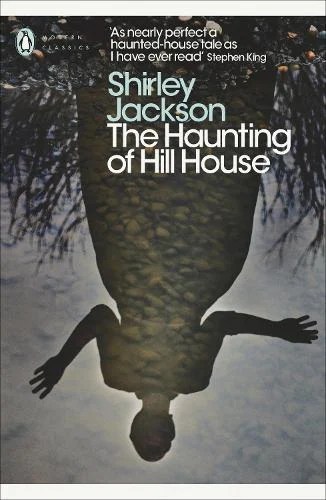
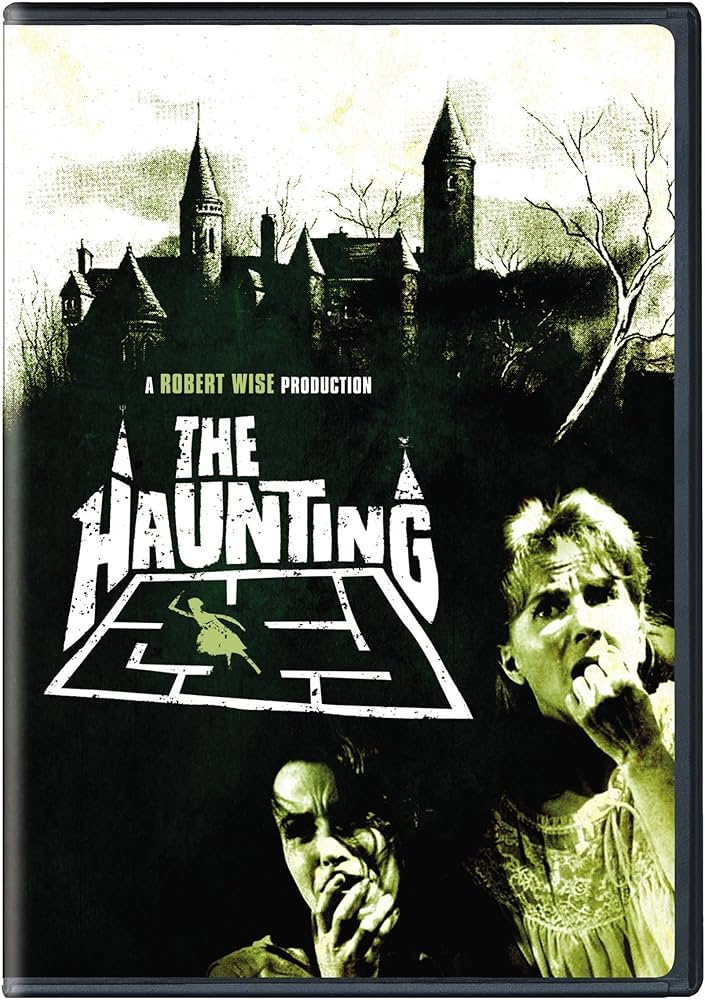
Character Changes and how that Impacts the Story
Delving into character transformations reveals intriguing shifts that alter your emotional experience. Characters in the novel and film differ significantly, impacting how you perceive the story.
In “The Haunting of Hill House,” characters undergo notable changes. Some are altered, merged, or even removed for the movie adaptation. For example, Eleanor Vance becomes a focal point, whereas in the book, her character blends more with the ensemble. The film amplifies her role, creating a protagonist whose mental struggle becomes central. By merging characters, the movie simplifies the narrative, making it easier for viewers to follow. The novel, however, offers a richer tapestry of personalities, each contributing to the overall sense of dread.
Character changes significantly affect motivation and sympathy. In the book, Eleanor’s motivations are subtle and complex, inviting readers to explore her inner world. The film, though, makes her desires more explicit, which can either increase your sympathy or alter it. By focusing on Eleanor’s psychological journey, the film makes her a character you can relate to, whereas the novel leaves more room for interpretation. This contrast affects how you align your feelings with the characters’ fates.
Relationships in both versions serve as a vehicle for exploring fear and isolation. In the novel, relationships are intricate, creating layers of tension and uncertainty. The film chooses simplicity, focusing on key dynamics like Eleanor’s connection with Dr. Markway. This focus can heighten emotional impact, making the tension between characters more palpable. Whether you prefer the depth of the book or the streamlined film version depends on what you seek: complexity or clarity.
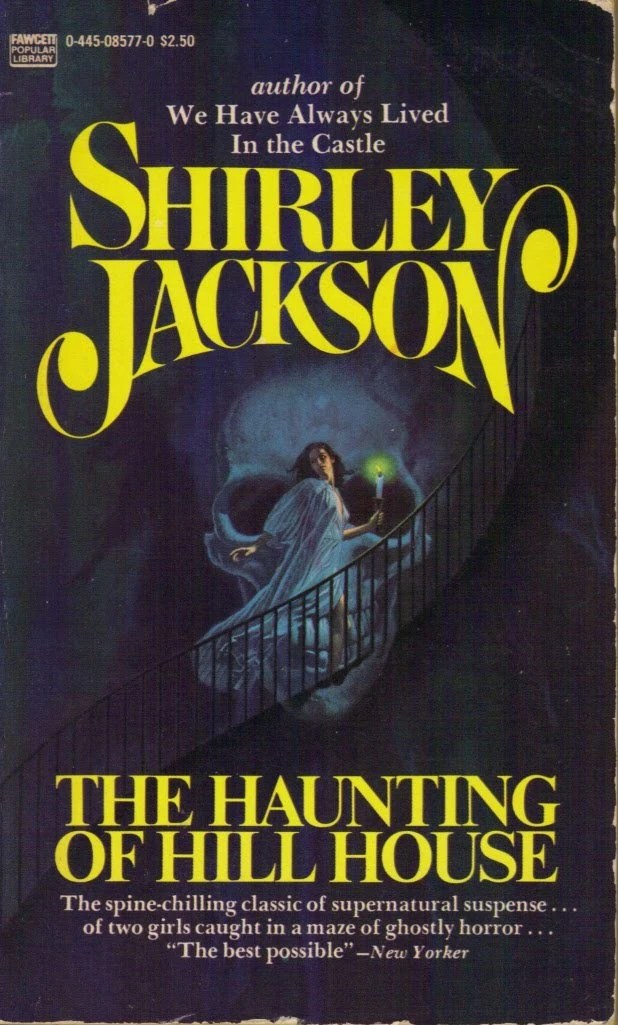
Monster Representation and Atmosphere
As we shift from characters to the lurking presence of the monster, the differences in representation and atmosphere become striking.
The book uses language to craft an unseen threat. By withholding explicit details, it allows your imagination to run wild. This strategy maintains a constant sense of unease. In contrast, the film offers glimpses of the supernatural, providing viewers with a tangible sense of fear. Both methods have their merits: the book invites you to conjure your own terror, while the film delivers direct visual scares.
The 1963 film employs visualisation to create suspense. Through clever use of lighting, sound, and cinematography, it immerses you in a world where every shadow could hide something sinister. These elements work together to create a chilling atmosphere that stays with you long after the credits roll. The film’s visual approach contrasts with the novel’s reliance on language, offering a more immediate sense of horror.
Which version sustains dread more effectively? The book uses pacing and psychological depth to keep you on edge, while the film uses visual tricks to maintain tension. The answer depends on your preference: the slow burn of the novel, or the visceral impact of the film. Each version has its own way of keeping you in suspense, appealing to different aspects of fear.
Themes and Interpretation
Exploring the themes of “The Haunting of Hill House” and its film adaptation reveals how changes impact meaning and resonance.
The central themes of fear, isolation, and identity are preserved in both versions, though their expression varies. The novel delves into Eleanor’s psyche, making her internal struggle a key theme. The film shifts to a more external focus, exploring how fear manifests in the environment. This shift can change how you interpret the story’s message, offering different insights into the nature of fear.
Social interactions and psychological tension are woven into both versions, though their emphasis differs. The book offers a complex exploration of social dynamics, while the film streamlines these elements for dramatic effect. This difference affects how you perceive the characters’ motivations and the overall narrative. Understanding these elements enriches your experience, revealing layers of meaning beneath the surface.
Comparing the literary adaptation with the original novel highlights how each medium handles the source material. The book’s language creates a haunting atmosphere, while the film’s visual and auditory elements bring the story to life. Each version has its strengths, and your preference may depend on whether you value the power of imagination or the immediacy of film.


I’d love to hear what you think, please comment below.