
Most horror adaptations struggle to balance faithfulness with impact, but the clash between Haunting of Hill House and The Haunting 1963 takes this challenge to another level. YIt is clear that when making the film they considered the question: what does the reader imagine that the viewer must see? This third part of our comparison reveals not only which version demands more interpretive work in horror but also how literature and film reshape fear in unique ways.
Reader Versus Viewer Experience
When we dive into horror, the experience can vary greatly depending on the medium. Let’s explore how readers and viewers engage with horror differently.
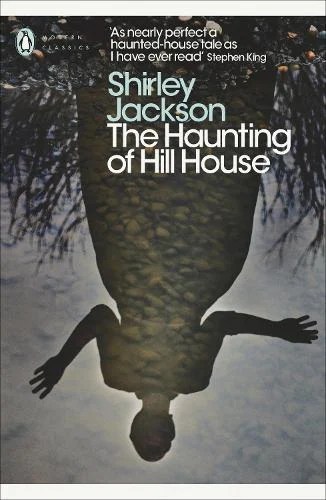
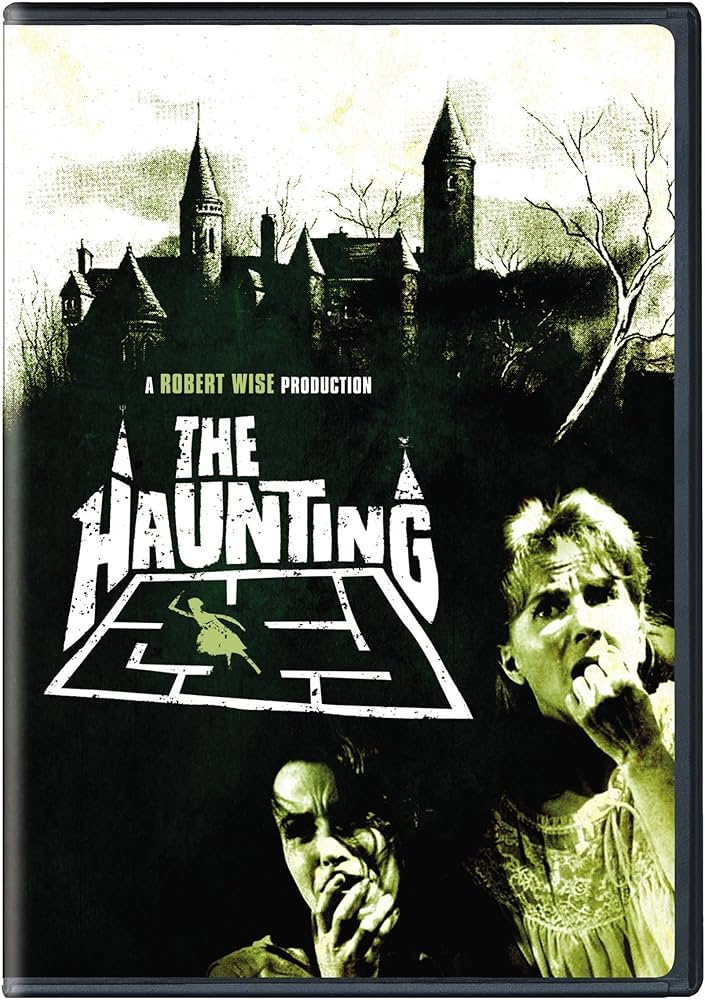
In “The Haunting of Hill House,” readers are invited to conjure their own images of eerie corridors and unsettling sounds. A book allows your imagination to run wild, filling in the gaps with personal fears. The power lies in what you don’t see, creating a tailored sense of horror. On the other hand, “The Haunting 1963” presents a visual feast of spooky scenes. The film delivers a curated visual experience, guiding you through its chilling moments. Viewers rely on the director’s interpretation to witness the terror unfold. Each medium offers its unique form of engagement, challenging the audience to confront fear either internally or externally.
The interpretive demands of horror differ between books and films. In the novel, you, as a reader, must piece together the clues, decoding the madness that lurks within Hill House. Your brain actively participates in building the suspense. The film, however, simplifies this process. The visual storytelling spells out much of the mystery, leaving less room for personal interpretation. While this might seem like an easier ride, it also means you might miss the subtle nuances that a book can offer. The film presents a straightforward narrative, while the book invites deeper reflection on its haunting themes.
Fidelity Versus Effectiveness
Balancing faithfulness to the source material with creating an impactful adaptation is a fine art. Let’s see how both mediums handle this delicate balance.
“The Haunting 1963” stays close to the plot of “The Haunting of Hill House,” capturing its essence. Yet, it can miss the deeper layers of Shirley Jackson’s themes. The novel’s psychological depth often gets lost in translation, leaving some of its emotional impact behind. While the film delivers a faithful plot, it may not fully capture the haunting spirit that makes the book a timeless classic. The challenge lies in maintaining the integrity of the original while moulding it into a new form.
Sometimes, straying from the source can yield powerful results. The film adaptation takes creative liberties, adding cinematic flair to amplify the horror. Though it may deviate from the book’s subtleties, it succeeds as a standalone piece of horror cinema. The film may not be a mirror image of the book, but it crafts its own terrifying identity. This raises the question: Is a faithful adaptation always the best choice, or can an unfaithful one offer a fresh perspective on fear?
Final Judgement
Having dissected both versions, it’s time to determine which delivers a more compelling narrative and why.
Both the book and the film have their strengths. The novel provides a rich, introspective journey into madness, perfect for those who revel in the depth of written horror. The movie, while different, offers a visual and auditory thrill ride that captivates the senses. Each version suits its medium, catering to different preferences within the horror genre. The choice depends on whether you prefer the quiet, creeping horror of the page or the vivid, immediate terror of the screen.
Comparing these two versions sheds light on how horror functions across different platforms. In literature, horror is deeply personal, tapping into individual fears and interpretations. Films provide a communal experience, where fear is shared and amplified through collective reactions. Both mediums have their place in the horror genre, offering diverse ways to explore and experience the terrifying unknown. This comparison reveals the beauty of horror’s adaptability, allowing it to thrive in myriad forms.


I’d love to hear what you think, please comment below.