Silent Hill Two rewrote what survival horror could be by twisting your mind as much as your reflexes. This three part review digs into the game’s unique blend of psychological horror and chilling atmosphere, where fear isn’t just about monsters but what’s lurking inside. In part one you’ll see how player agency shifts the feeling from powerless to complicit, and how gameplay mechanics aren’t just hurdles but part of the terror itself. If you’ve ever wondered why Silent Hill Two still haunts gamers years later, this reviewwill explain exactly why.
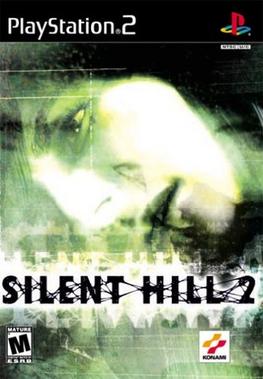
The Essence of Psychological Horror
The unsettling power of psychological horror lies in its ability to engage the mind and emotions. Silent Hill Two is a masterclass in blending various horror elements.
Silent Hill Two doesn’t confine itself to one type of horror. It masterfully combines survival horror with psychological terror. The game places you in an eerie, fog-laden town where the atmosphere is thick with dread. Here, every shadow and sound hints at something terrifying. The game’s creators mix supernatural horror with psychological depth, pulling you into a space where reality blurs with fear. The psychological horror aspect digs deep into personal fears. You’re not just avoiding grotesque monsters; you’re confronting your own guilt and feelings. Each enemy is a representation of a deeper emotional struggle. This blend keeps you guessing about what’s real, making the experience so engaging. It’s not just about surviving; it’s about understanding the horror within.
Fear in Silent Hill Two is more than just jump scares. It’s about unsettling emotions that linger. As you navigate the foggy streets, you feel the weight of the protagonist’s guilt. The story makes you question your own moral compass and the choices you make. This emotional depth is rare in games, turning every encounter into a psychological challenge. The game’s ambiance is haunting. Music and sound design play pivotal roles, crafting moments where silence is scarier than noise. The quiet can make you more uneasy than any loud monster could. It’s this subtlety that makes Silent Hill Two a standout in the horror genre. You’re always on edge, never knowing what fear will strike next.
Exploring Player Agency
In Silent Hill Two, how much control do you really have? The game crafts a delicate balance between feeling helpless and responsible.
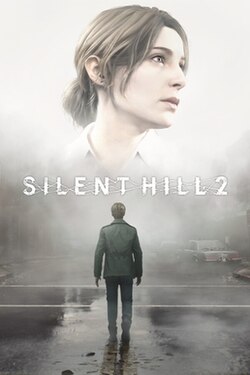
Silent Hill Two deftly plays with your sense of control. At times, you feel entirely powerless, caught in the grip of the town’s mysteries. The game’s design leads you to decisions that carry weight, making you question your involvement. Are you a victim of the town, or are you complicit in its horrors? This sense of responsibility is a powerful tool. As you unravel the story, your choices reveal more about the protagonist’s past. It’s a clever narrative trick that keeps you invested. You’re not just controlling a character; you’re piecing together their psyche. This makes every decision feel significant, adding layers to the horror experience.
The interactive nature of Silent Hill Two heightens its emotional impact. Unlike books or films, video games place you directly in the action. You’re not just a passive observer; you’re an active participant in the horror unfolding. This level of immersion makes the fear more personal. The game’s mechanics, like limited resources and cryptic puzzles, force you to engage deeply. As you solve each puzzle, you’re not just unlocking doors but also new layers of the story. This interaction enhances the psychological horror, making it feel more immediate and real. Silent Hill Two shows that when you’re part of the story, the fear cuts deeper.
Mechanics that Terrify
Silent Hill Two’s gameplay mechanics are designed to keep you on edge, turning every corner into a potential nightmare.
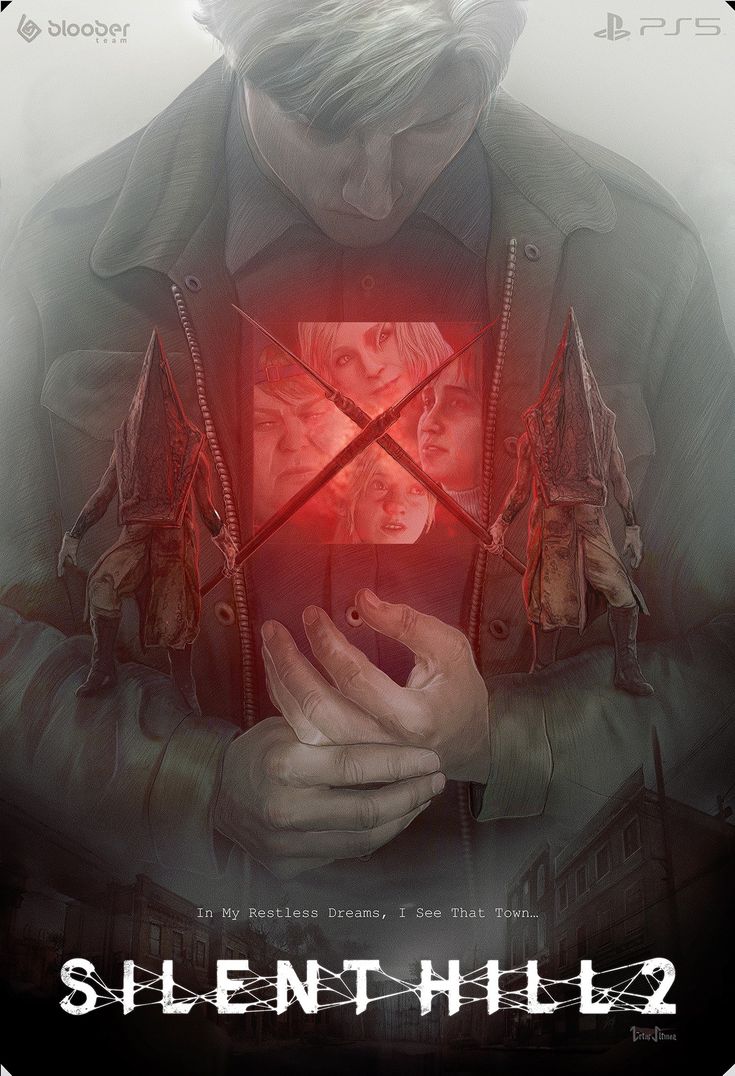
The game employs various systems to create tension. Limited inventory space means you must choose your supplies carefully. This scarcity adds a layer of anxiety as you decide between health items and weapons. The save system also contributes to the fear. You can’t save whenever you want, making each decision feel risky. These mechanics aren’t just about making the game harder; they’re about enhancing the horror. The fear of losing progress or running out of supplies makes each encounter nerve-wracking. You’re constantly calculating your chances of survival, adding to the game’s psychological depth.
Are Silent Hill Two’s mechanics just obstacles, or do they hold deeper meaning? Many players find that these systems mirror the game’s themes. The scarcity reflects the protagonist’s own emotional emptiness. The unreliable maps and confusing layouts symbolize the character’s mental state, lost and searching. These mechanics serve a purpose beyond gameplay. They immerse you in the protagonist’s experience, making you feel their confusion and fear. It’s a brilliant design choice that enhances the story’s impact, proving that in Silent Hill Two, every element is carefully crafted to deepen the horror.


I’d love to hear what you think, please comment below.