Silent Hill Two isn’t just a game you play, it’s a world that speaks without words. Its environmental storytelling pulls you into a chilling narrative, where every note, shadow, and creak reveals more than any dialogue could. In this second part of our Silent Hill Two review, you’ll see how sound design and visual cues work together to turn exploration into an unsettling experience that stays with you long after you stop playing.
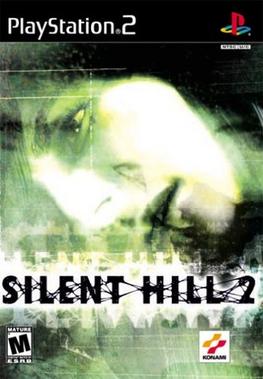
Environmental Storytelling in Silent Hill 2
Silent Hill Two uses its setting to tell a story that words alone cannot convey. The foggy streets and abandoned buildings speak of a town haunted by its past. As you wander through these desolate environments, you find yourself piecing together the town’s history through subtle hints. This approach draws you deeper into the narrative, letting the world itself whisper its secrets to you. The town of Silent Hill is a character in its own right. Every corner holds a clue, every shadow a hint of things unseen. As you navigate through its eerie silence, you start to uncover the layers of its story. The atmosphere becomes a tapestry of fear and intrigue, compelling you to explore further. It’s not just about what you see, but what you feel as you move through the haunting landscape.
Objects and architecture in Silent Hill Two are rich with meaning. Each item you find, from old letters to peculiar trinkets, adds depth to the story. These objects are not just there to fill space; they serve as pieces of a larger puzzle, each holding a fragment of the town’s dark past. This method of storytelling invites you to look closer, to linger on details often overlooked. Buildings in are more than mere backdrops. The architecture itself is laden with symbolism, with each structure telling its own tale of neglect and decay. As you investigate these spaces, you become an archaeologist of sorts, uncovering the emotional and historical layers embedded in the walls. This immersive experience enriches your understanding of the story, making every discovery a mini-payoff in your journey.
Exploration is a journey into the unknown, filled with tension and dread. The game masterfully uses its environment to build suspense, keeping you on edge with each step. It’s not just about what lurks in the shadows, but the fear of what could be there. This uncertainty is what makes exploration so thrilling, as you never know what awaits around the next corner. The game cleverly plays with your expectations, using the environment to manipulate your emotions. As you delve deeper into the town, the sense of dread intensifies, driven by the knowledge that danger is ever-present. This constant tension keeps you engaged, urging you to push forward despite the fear. The psychological impact of this experience lingers long after the game is over, a testament to its powerful storytelling.
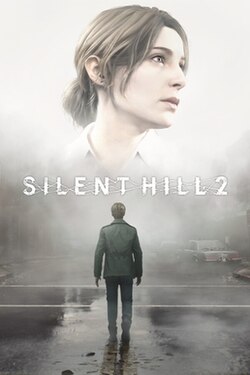
Sound Design’s Eerie Impact
Sound design is a powerful tool for creating atmosphere. The game uses silence and subtle sounds to heighten tension and evoke fear. The absence of sound can be just as unnerving as any loud noise, leaving you on edge as you wait for something to break the silence. This clever use of sound draws you into the world, making every creak and whisper all the more chilling. The subtle sounds are expertly crafted to enhance the sense of unease. The distant echoes, the soft rustle of leaves, and the faint hum of machinery all contribute to the oppressive atmosphere. These sounds are not just background noise; they are integral to the experience, adding layers of depth to the world you explore. The minimalist approach to sound design allows your imagination to fill in the gaps, making the horror even more personal and profound.
Silent Hill Two uses sound to both guide and mislead the player, adding an extra layer of complexity to the experience. The game employs audio cues to direct you towards important areas or away from danger. However, it also uses sound to create false leads, keeping you guessing and on your toes. This duality of sound design adds to the tension, as you never quite know what to trust. The audio landscape is designed to keep you on edge. The game uses deceptive sounds to play with your perceptions, leading you into traps or away from key discoveries. This manipulation of sound enhances the psychological horror, as you become more aware of the environment’s unpredictability. The experience becomes a mind game, where you must rely on your instincts to decipher truth from illusion.
Atmosphere is key to Silent Hill Two’s horror, and sound plays a crucial role in its creation. The game expertly combines atmospheric sounds with strategic jump scares to keep you constantly alert. The balance between the two ensures that each moment of fear is earned, rather than relying on cheap thrills. This careful pacing makes the horror feel organic, drawing you deeper into the world. Jump scares are not just about shock value; they are woven into the fabric of the story. The game uses sound to build suspense, creating a sense of anticipation that heightens the impact of each scare. This approach makes the horror more immersive, as you become more invested in the experience. The scares are not just events, but integral parts of the narrative, making them all the more effective.
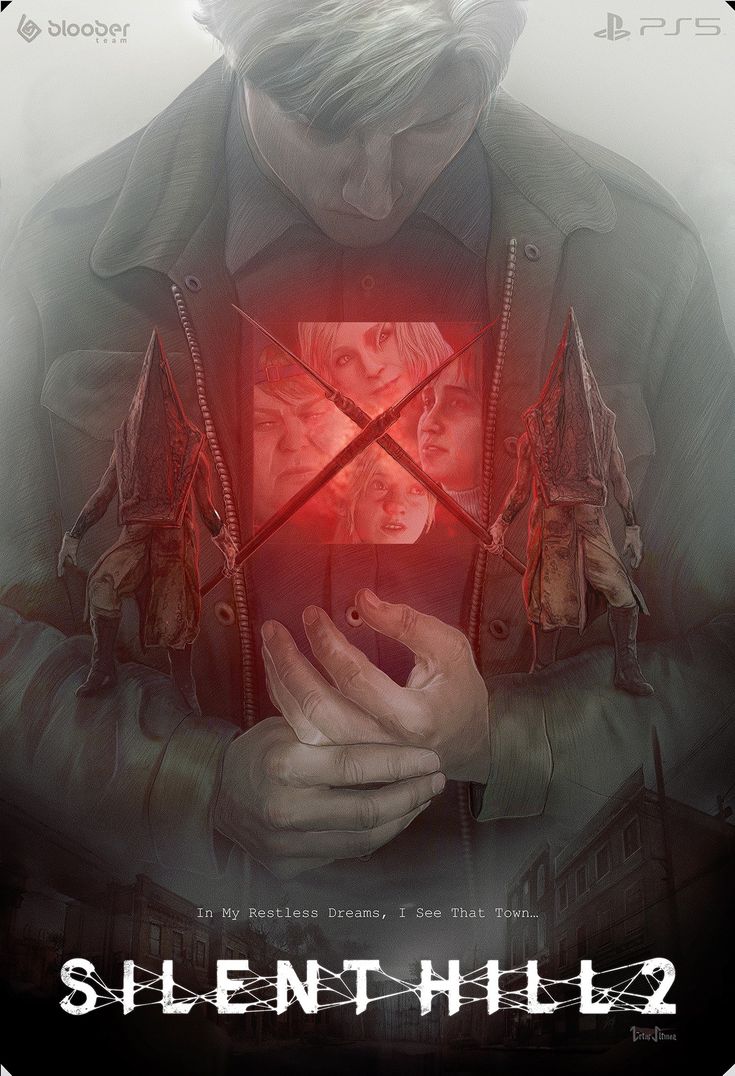
Visual Design’s Chilling Aesthetic
The visual design of Silent Hill Two is a masterclass in creating a chilling atmosphere. The game uses darkness and a muted colour palette to evoke a sense of foreboding. Shadows play a crucial role, obscuring details and leaving much to the imagination. This use of darkness not only heightens the horror but also invites you to look closer, to find meaning in what is hidden. The colour palette is deliberately subdued, with greys and browns dominating the landscape. This choice reinforces the sense of decay and desolation, making the environment feel oppressive and unwelcoming. The limited use of colour also draws attention to key elements, guiding your focus and enhancing the storytelling. The visual design is not just about aesthetics; it’s an integral part of the narrative, shaping your experience of the world.
Creature design is both grotesque and fascinating, each monster embodying a different aspect of fear. The designs are unsettling, with twisted forms that challenge your perception of what is normal. These creatures are not just enemies to defeat; they are symbols of the protagonist’s inner turmoil, making each encounter a psychological battle. Camera choices are deliberate and impactful. The game uses fixed angles to control what you see, adding to the tension and uncertainty. This technique forces you to confront the horrors head-on, as you cannot simply look away. The camera becomes a tool for storytelling, directing your focus and manipulating your emotions. It’s an essential part of the experience, enhancing the game’s ability to unsettle and engage you.
Silent Hill Two embraces the uncanny and grotesque, creating a world that is both terrifying and captivating. The game’s visual design challenges traditional notions of beauty, presenting a landscape that is haunting yet strangely alluring. This juxtaposition of horror and beauty draws you in, compelling you to explore the depths of the nightmare. The uncanny elements are designed to disturb and provoke thought. The familiar is twisted into something unsettling, leaving you with a sense of unease. This approach to design not only enhances the horror but also encourages reflection on the nature of fear. The game’s ability to blend the grotesque with the beautiful creates a unique aesthetic that is both memorable and impactful.


I’d love to hear what you think, please comment below.