Mary Shelley’s 1818 novel isn’t just a Gothic horror story about a monstrous creation. Depending on how you read it, it can raise complex questions about disability, the body, and otherness through Victor Frankenstein’s creation. This first part of the three part discussion, looks at how disability functions in Frankenstein, particularly through the creature’s body and condition, and asks whether the horror relies on disability being seen as monstrous, tragic, threatening, or something more nuanced.
Introduction to Frankenstein’s World
The tale of Frankenstein is one of creation, fear, and complexity. Frankenstein’s world is steeped in Gothic horror. The dark, foreboding settings and the looming presence of the creature create an unsettling atmosphere. Yet, the real intrigue lies in how the creature is portrayed. He is a patchwork of human parts and can be read to embody the unknown and the feared. His form challenges societal norms of beauty and normalcy. Disability can be read into this, not just a physical attribute but as a lens through which the story examines fear and empathy. This reading invites us to question the boundaries of humanity and the fears that arise from the unfamiliar.
Mary Shelley envisioned a world where the lines between creator and creation blur. Her narrative pushes readers to consider the ethical implications of playing god. Victor Frankenstein’s ambition leads to unintended consequences, with the creature’s existence questioning the true monster of the tale. The creature’s struggle is not just external but deeply internal, reflecting societal rejection. Shelley’s work prompts readers to ponder the societal values that define monstrosity, urging a reflection on our perceptions of disability and difference.
Horror transcends the typical monstrous depiction in this story. It delves into psychological terror and societal fears. The creature’s interactions with humanity reveal the prejudice and fear of the unknown. This horror is not about gore or violence but the dread of confronting our biases. By spotlighting a disability reading we can read this horror as a reflection of societal views, forcing readers to confront their fears of difference.
Representations of Disability
Moving from the overarching themes, we zero in on the creatures portrayal, his form is both central and symbolic.
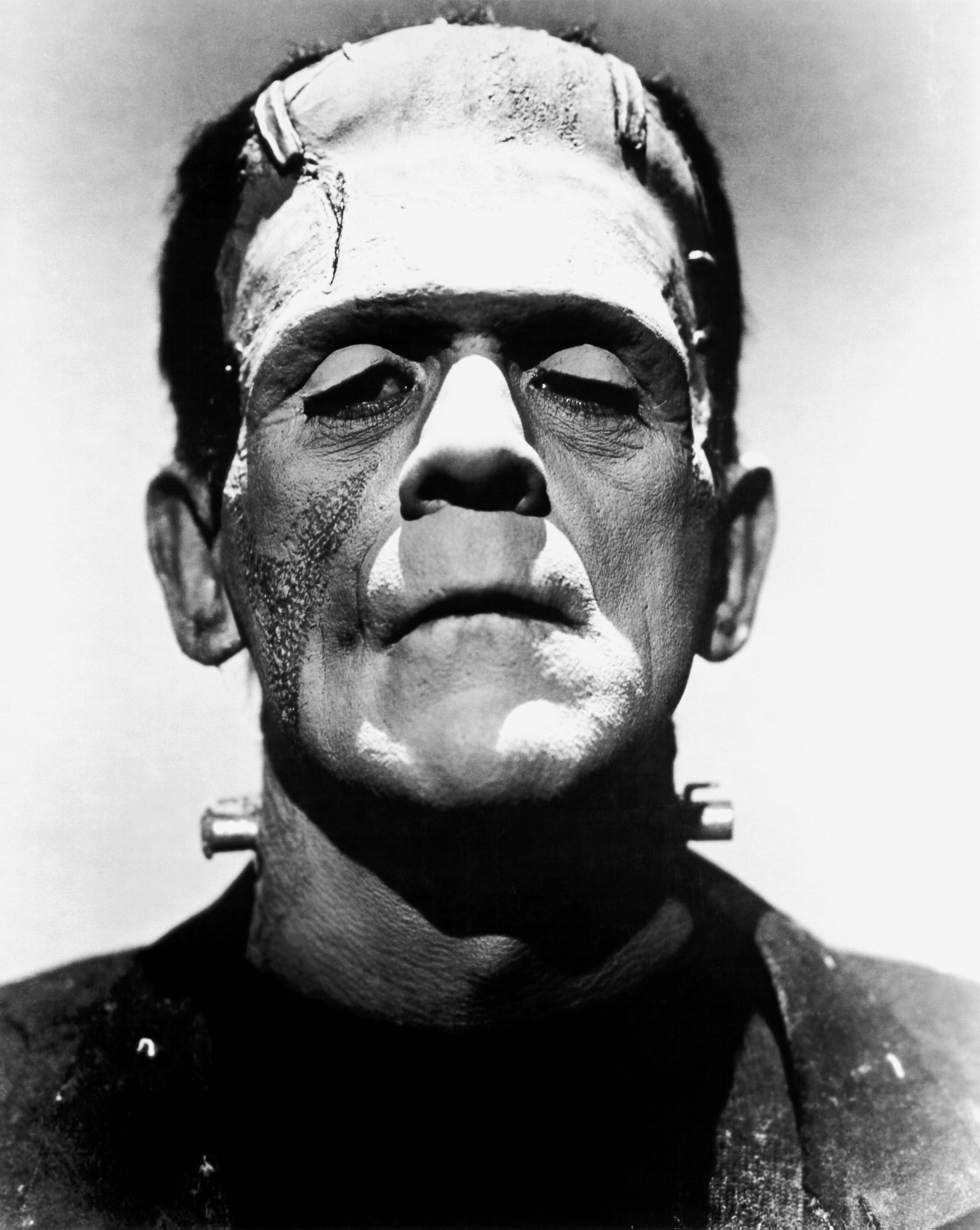
The creature’s appearance is central to the narrative. His form, a patchwork of human parts, defies conventional beauty. This monstrous visage elicits fear and rejection. Yet, beyond the physical, the creature embodies the fears of otherness. Through a disability lense his diffrence can be seen as not merely a physical condition but a societal construct. Through his experiences, Shelley critiques the superficial judgments based on appearance.
The concept of transformation is also key in Frankenstein. The creature’s existence results from Victor’s ambition, highlighting the consequences of unchecked desires. Through this Shelley explores the horror of unintended consequences. The creature’s form becomes a symbol of the horrors of ambition and the societal rejection that follows.
Role of Disability in Narrative
The creature’s experiences shape his identity, driving the narrative forward. His interactions and the resulting conflicts highlight the societal fears and prejudices of the time. Disability can be read not just a backdrop but a catalyst for the unfolding drama, challenging both the characters and the readers to confront their biases.
Disability in the novel can be read as a powerful symbol. It reflects societal fears and prejudices, creating an atmosphere of dread and empathy. The creature’s form becomes a mirror to society’s fears of the unknown. This symbolic portrayal invites readers to explore the deeper societal issues and the prejudices that shape their perceptions.
The horror in Frankenstein is not just about the creature’s form but what it reveals about society. Through the lens of disability, Shelley exposes societal fears and prejudices. The creature’s rejection by society highlights the fear of otherness and the rejection of the unfamiliar. This horror becomes a powerful tool for critiquing societal norms and urging readers to reflect on their values.


I’d love to hear what you think, please comment below.