Fear in Frankenstein runs deeper than the monster’s appearance. This second part explores how disability in horror reveals what truly frightens us, whether it’s the disabled body itself or society’s reaction to it. You’ll see how ableism shapes fear and which disability tropes the story leans on or challenges. If you want a fresh horror analysis that connects Gothic horror with ethical representation, this is where it begins.
Fear and Ableism in Frankenstein
In a disability reading of Frankenstein, the notion of fear ties heavily to the idea of disability. The story prompts us to ask: are we supposed to fear the monster or the idea of becoming like him? The monster’s appearance, shaped by disability in horror, creates a visceral reaction. But is it truly the monster we fear, or the world’s response to him? This question challenges our perceptions and forces us to consider the roots of our fears. The fear of disability often stems from a lack of understanding. In the book, the creature is rejected not only for his looks but for what society perceives he represents: an unknown, uncontrollable force. This mirrors real-world fears of disability, where the disabled body is seen as a deviation from the norm, something to be feared or pitied. By examining this, we can see how societal reactions shape our fears more than the disabilities themselves.
Bodily change is a recurring theme in horror, Frankenstein included. The fear of losing control over one’s body is universal. The story makes us question: are we more afraid of the monster’s altered form or the possibility of our own bodies changing? This fear taps into a deep-seated anxiety about dependence and aging. Our bodies are central to our identity. When they change, we can feel like we’re losing ourselves. In Gothic horror, this fear is amplified. The monster’s grotesque form becomes a symbol of not just disability in horror, but also the universal fear of bodily change. It reminds us of our vulnerability, making us reflect on our own fears of losing what we know.
Institutions and social systems often heighten the fear of disability. In Frankenstein, we see how society’s rejection of the creature fuels his rage. This raises the question: is the true horror the monster, or the institutions that exclude him? The fear of being cast out by society is a powerful one. Social exclusion creates a cycle of fear and resentment. When society labels the creature as dangerous, it neglects his humanity. This reflects real-world fears of being misunderstood or dismissed by authority figures. As we delve into Frankenstein, we see how these fears manifest and how they might be challenged.
Disability Tropes in Gothic Horror
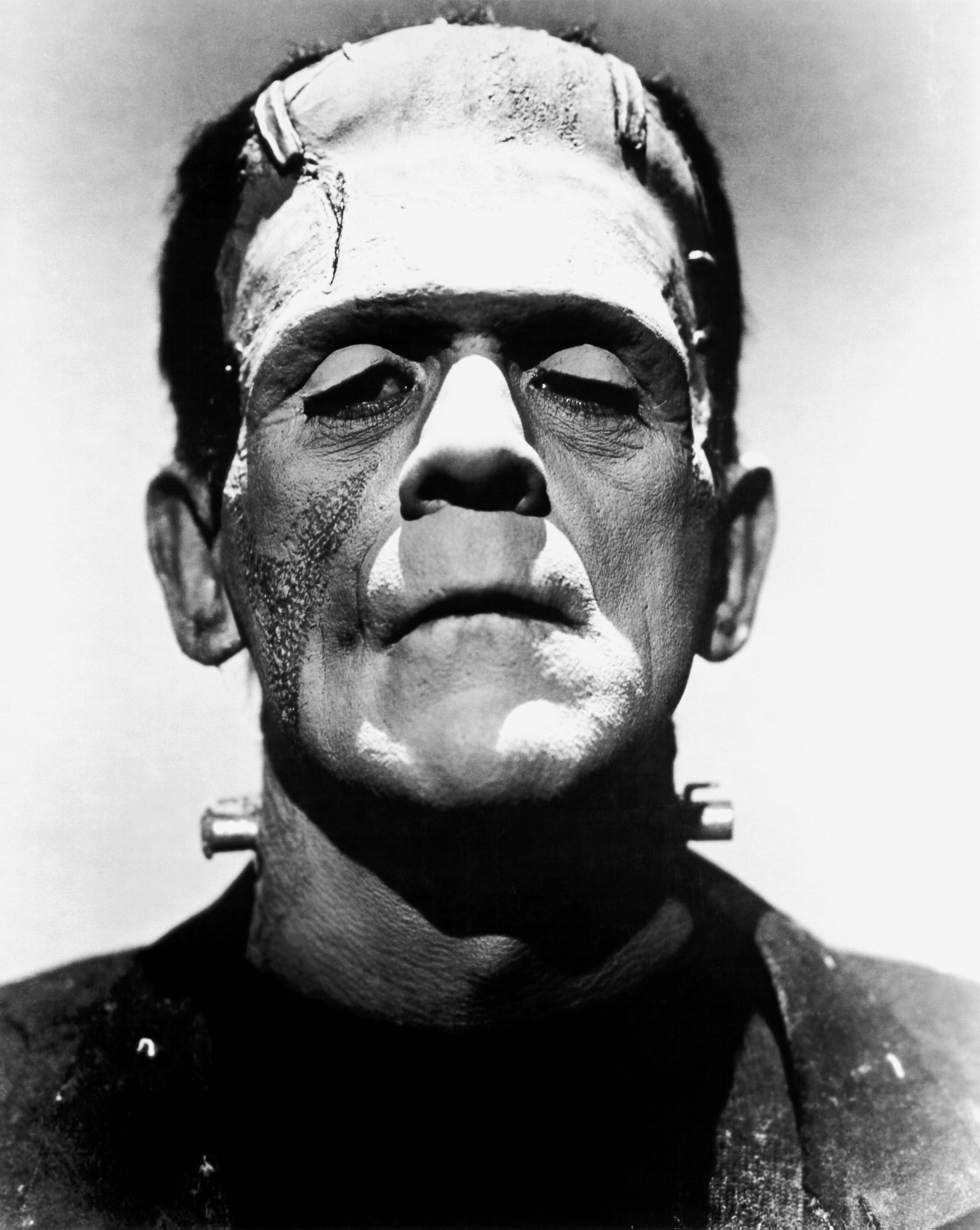
Gothic horror often links physical appearance with moral standing. In Frankenstein, the creature’s monstrous look suggests evil. But does his appearance truly signify corruption, or is it a reflection of society’s biases? Examining this trope reveals much about how we connect disability and morality. The idea that an outer appearance can reflect inner evil is a common trope in horror. Yet, Frankenstein complicates this. Although the creature looks terrifying, his actions are driven by rejection and pain. This forces us to question if monstrosity is inherent or imposed by societal judgment. Is the monster’s darkness a result of his nature, or is it a reaction to how he’s treated?
Disability is often depicted as a punishment or burden in horror. In Frankenstein, the creature’s suffering raises questions about his existence. Is his fate a punishment for defying nature, or a tragic comment on society’s failures? This trope challenges us to see beyond the surface. The creature’s pain and isolation seem to be his inevitable destiny. But is this fair? This narrative can perpetuate harmful stereotypes about disability being a curse or moral consequence. By examining this, we can better understand the complex emotions surrounding disability in horror and how they shape our perceptions.
In horror, a cure often signals a return to normalcy. A disability reading of Frankenstein challenges this by showing that not all endings are happy. Does the creature’s story suggest that disability must be fixed, or does it critique this idea? This trope invites us to rethink what a “happy ending” truly means. The pursuit of a cure can overshadow the reality of living with disability. In Frankenstein, the lack of a simple resolution emphasizes the complexity of the creature’s existence. Instead of offering a tidy conclusion, the story invites us to confront our assumptions about disability and redemption.
Ethical Representation in Horror
Horror often walks a fine line between harmful and complex portrayals of disability. In a disability reading of Frankenstein, does the story deepen our understanding, or does it exploit fears? Complex depictions can challenge stereotypes and encourage empathy. However, when horror relies on disability solely for shock, it risks reinforcing negative ideas. Frankenstein provides a lens to examine these themes critically, urging us to consider the impact of representation in horror.
Using disability as a tool for shock or evil can perpetuate stigma. In Frankenstein, the creature’s appearance and actions are designed to evoke fear. But does this portrayal challenge or reinforce stereotypes? This question is crucial for understanding ethical storytelling in horror. When horror uses disability for shock, it can dehumanize individuals. Frankenstein invites us to question this technique. By examining the creature’s narrative, we can better understand the balance between horror and ethical storytelling, ensuring that depictions are thoughtful and nuanced.
Horror can sometimes overlook ordinary disabled lives. In Frankenstein, does the story acknowledge the possibility of a survivable, fulfilling existence for its creature? This section delves into how horror can represent disability in a more balanced light. By highlighting ordinary experiences, horror can offer a more comprehensive view of disability. Frankenstein challenges us to see the creature not just as a monster, but as a being capable of complex emotions. This perspective encourages empathy and broadens our understanding of disability beyond fear and tragedy.


I’d love to hear what you think, please comment below.