This third and final part breaks down what the story does well and where it falls short, especially in showing disability as more than just a plot device. If you want to understand how horror and disability intersect, and how social barriers shape these narratives, this is the place to start.
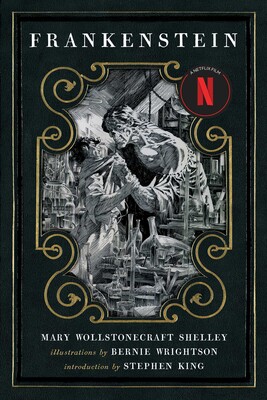
What Works in Frankenstein
The tale of Frankenstein has captivated audiences with its layered portrayal of the creature, providing insights into society’s perceptions. Victor Frankenstein’s creation stands out as a unique figure in literature. The creature embodies more than just a physical anomaly; he represents the struggle of living in a world that shuns difference. Through his journey, readers witness a character who is both vulnerable and resilient. He is not simply defined by his appearance. The creature’s longing for acceptance and understanding makes him relatable and human, offering a different lens on disability. His story encourages readers to empathise with those who are often misunderstood. This complexity draws you into the narrative, making the character memorable.
Frankenstein delves into the physical and emotional aspects of the creature’s existence. The narrative sheds light on how societal reactions shape the creature’s self-perception. Readers gain insight into the challenges faced by those who are different, highlighting the pressures of conforming to societal norms. The novel invites you to consider embodiment beyond mere physical traits. It suggests that our bodies are intertwined with social experiences, influencing how we interact with the world. This nuanced exploration of embodiment encourages a deeper understanding of disability as a dynamic experience.
The horror elements in Frankenstein effectively expose societal biases. By portraying the creature as a figure of fear, the novel critiques the fear of the unknown and the different. The reaction of others to the creature reveals the ableism embedded in societal attitudes. This narrative choice encourages readers to question their own perceptions of difference. The story uses horror not just to frighten but to challenge the audience’s assumptions about disability. Through this lens, Frankenstein becomes a tale not just of science gone wrong but of the societal forces that marginalise those who deviate from the norm.
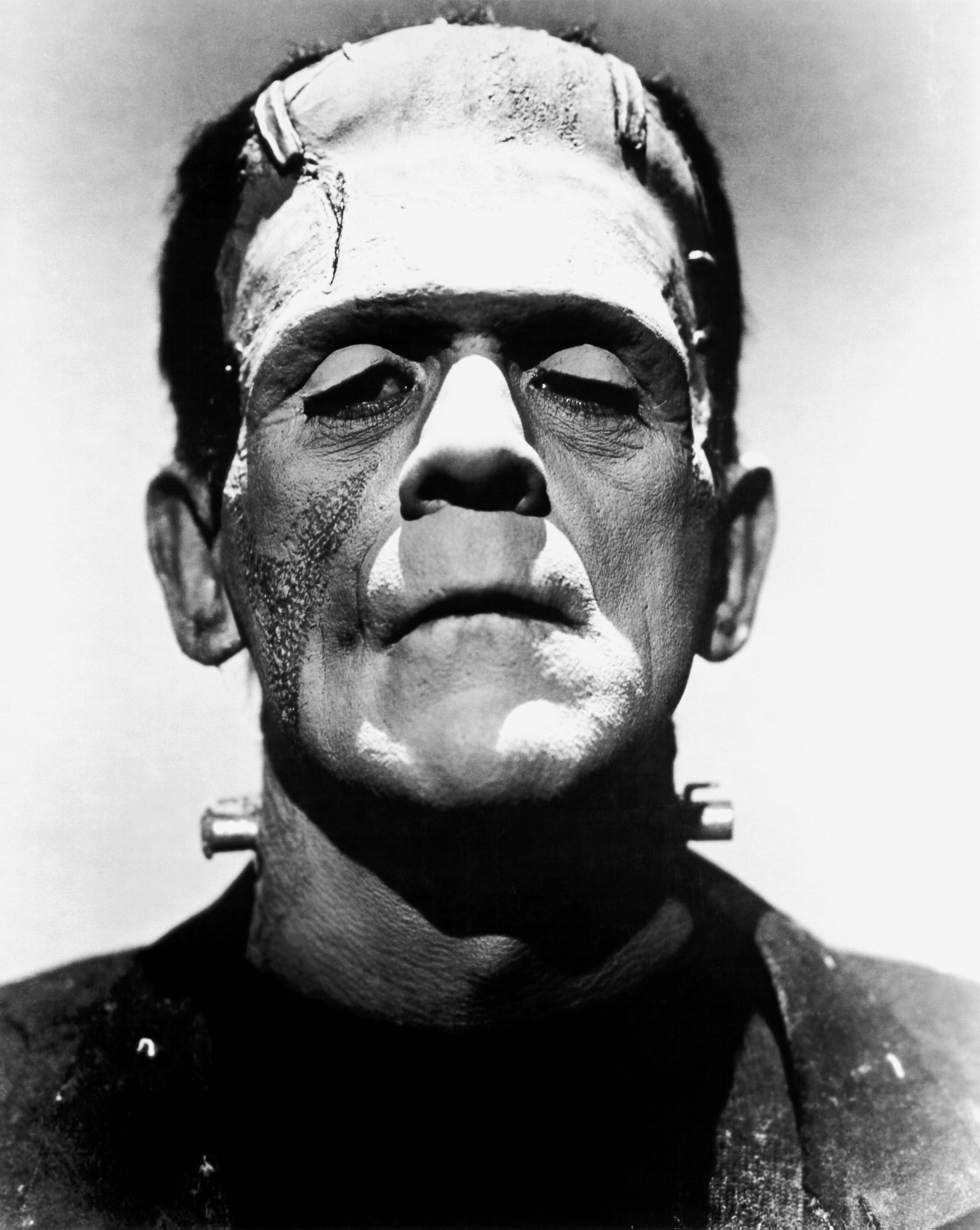
What Does Not Work in Frankenstein
While Frankenstein does well in some areas, there are aspects where it falls short in a disability reading. One of the primary issues in Frankenstein is the conflation of bodily diffrence (or in our reading disability) with monstrosity. The novel often blurs the lines between being different and being monstrous. This portrayal can reinforce stereotypes that equate physical differences with danger or evil. While the creature is more than a monster, the narrative sometimes leans heavily on these associations. This confusion can lead to harmful perceptions of disability. By intertwining the creature’s appearance with horror, the story risks reinforcing negative stereotypes that undermine its more nuanced moments.
The creature’s suffering is central to Frankenstein, but it is sometimes depicted too casually. The novel presents his pain as a plot device rather than an experience to be understood. This approach can diminish the impact of his struggles. While his suffering adds to the horror, it often lacks depth in terms of exploring the emotional and psychological effects. By focusing on the spectacle of suffering rather than its implications, the story misses an opportunity to deepen its representation of disability. This choice can leave readers with an incomplete picture of the character’s experience.
Despite his complexity, the creature often lacks a voice in the narrative. His perspective is mediated through Victor and other characters, limiting his agency. This narrative choice can marginalise the creature’s experiences, reducing him to a symbol rather than a fully realised character. By denying him a more direct voice, the novel risks reinforcing the idea that those with disabilities are passive subjects in their own lives. This lack of agency can undermine the story’s potential to empower readers and offer a more balanced view of disability.
Could It Have Been Done Differently?
One way the story could shift focus is by moving fear away from the creature’s physical difference. Instead, the horror could stem from society’s reaction to him. This approach would highlight the societal forces that create monsters, rather than attributing monstrosity to bodily differences. By doing so, the story could challenge readers to reflect on their own biases and fears. It would position the creature as a victim of social response rather than an inherent threat, offering a critique of societal norms.
To give the creature more agency, the narrative could foreground his desires and choices. Allowing him to articulate his experiences and ambitions would make him a more active participant in the story. This shift would empower the character and offer a richer exploration of his identity. By focusing on his responses to social barriers, the story could reveal the systemic forces at play. This approach would provide a more nuanced view of disability as a social experience, inviting readers to consider alternative perspectives.
The novel could also avoid relying on cure or death as resolutions. Instead, it might explore how the creature could live a fulfilling life without conforming to societal norms. This direction would challenge the narrative that disability must be fixed or erased to achieve happiness. By presenting survival and adaptation as viable outcomes, the story would offer a more hopeful vision of difference. This choice would celebrate resilience and diversity, encouraging readers to value these qualities in themselves and others.


I’d love to hear what you think, please comment below.