
Mastering tension is a crucial skill for horror writers, as it can make or break the spine-chilling experience for readers.
The ability to expertly raise and lower tension in horror novels is like orchestrating a symphony of fear, leading the audience through peaks of anticipation and valleys of dread. Imagine the power of sending shivers down the readers’ spines, making them hesitant to turn the page yet unable to resist.
In this blog I will delve into the art of crafting tension that keeps readers on the edge of their seats, eagerly anticipating what terrors lie ahead in the shadows.
The Role of Tension in Horror

Tension is the lifeblood of horror writing. It’s the element that compels readers to grip the book tighter and their eyes to race across the page. When well-executed, tension creates a connection between the reader and the characters, making the fear felt by those within the story palpable in the real world. It’s about balance—knowing when to tighten the grip of fear and when to allow a moment of respite. The best horror stories leave readers in a constant state of suspense, even in quieter scenes, as the anticipation of what might happen next is always looming. This continuous expectation keeps the readers engrossed, turning page after page in search of relief or the next scare.
Tension in horror writing isn’t just about the big reveals or the gruesome details; it’s in the waiting, the not knowing, and the subtle sense that something is not quite right.
The Art of Creating Suspense
Creating suspense is an art form that requires careful crafting. In horror writing, it’s not just about what is happening, but the possibility of what could happen. To create suspense, writers must provide readers with enough information to sense danger or conflict without revealing too much. It’s the shadows that stir imagination, the soft noises that suggest an unseen threat, and the characters’ dread that become contagious.
Timing is critical; revealing events too quickly can deflate suspense, while drawing things out for too long can cause readers to lose interest. The key is to drip-feed hints and clues that keep readers guessing. Narrative tools such as unreliable narrators, cliffhangers at the end of chapters, and alternating storylines can also heighten suspense. When readers are left hanging, their minds fill in the blanks with their worst fears, making the anticipation of what might happen next as thrilling as the narrative itself.
Rhythm and Pacing: The Heartbeat of Horror

The rhythm and pacing in horror writing act as the heartbeat of a story, setting the tempo for fear. Effective pacing is about knowing when to quicken the pace with rapid, heart-thumping scenes and when to slow it down, allowing the tension to simmer and build.
Rhythm is about the pattern of these moments, the ebb and flow that creates a dance between the reader’s anxiety and curiosity. Horror writers must master this dance to maintain control over their audience’s emotions. Short, choppy sentences can increase the pace, making readers’ pulses race, while longer, more descriptive passages can create a haunting atmosphere that lingers, drawing out the dread. It’s crucial to vary sentence structure and paragraph length to avoid monotony, which can dull the readers’ senses.
A well-paced horror story ensures that the readers are never quite comfortable, always on their toes, awaiting the next scare.
Setting: An Unseen Character
In horror, the setting is more than just a backdrop; it is an unseen character that can greatly amplify tension. Whether it’s a claustrophobic space that traps the characters or an expansive, desolate landscape where help is miles away, the setting should evoke a sense of unease.
The details of a setting can be used to foreshadow events or to mislead the reader, setting up expectations that can be subverted to shocking effect. A creaking floorboard, a flickering light, or an oddly placed object can all be elements of the setting that hint at a lurking danger. When the setting is imbued with a personality of its own—be it a malevolent forest or a haunted house—it interacts with the characters and influences their actions. A well-crafted setting can serve as a powerful tool for increasing tension, making the environment a silent conspirator in the horror that unfolds.
Lowering Tension Without Losing Interest
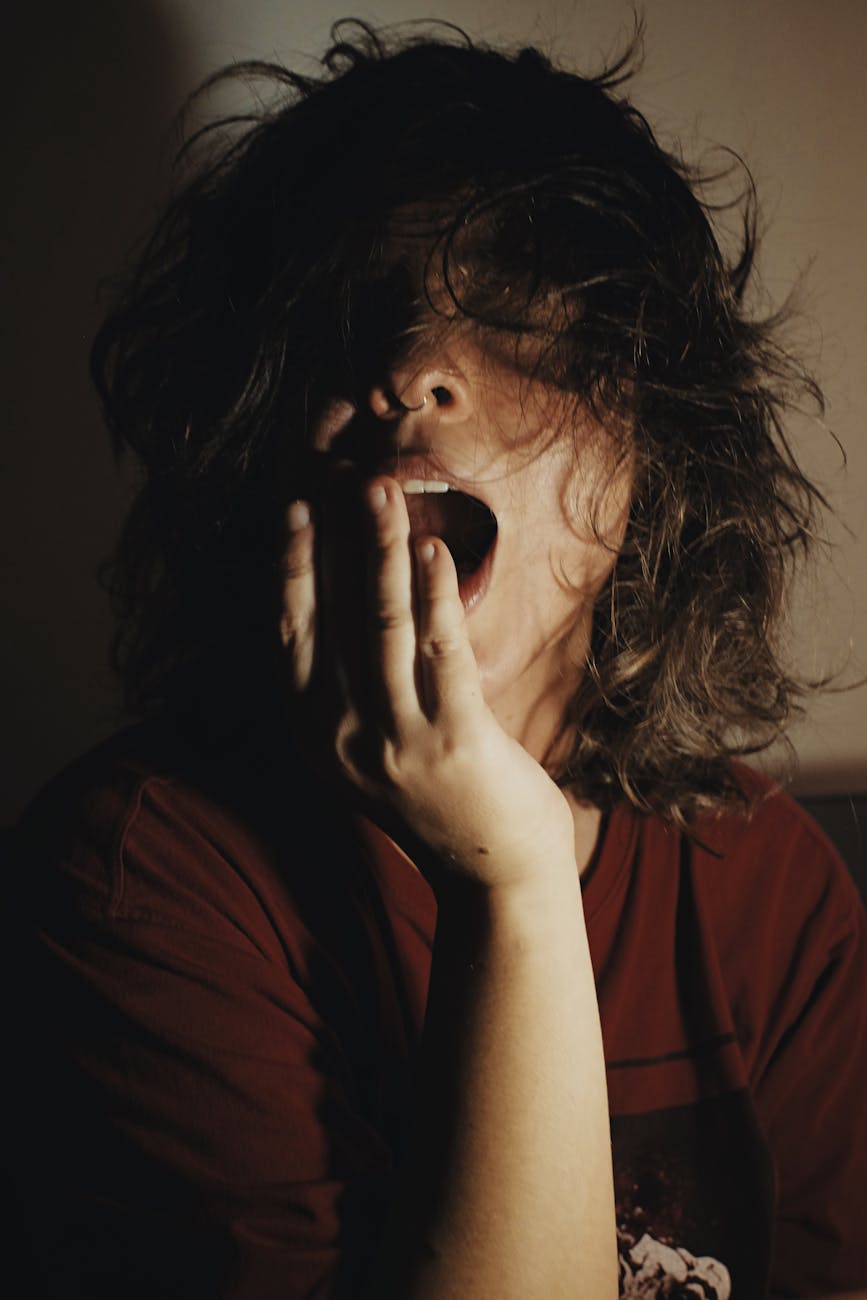
Lowering tension is as important as building it, but it must be done without losing the reader’s interest. This can be achieved by shifting the focus to character development or unraveling parts of the plot that do not directly involve the horror elements.
These quieter moments are essential—they give the reader a chance to breathe and the characters a chance to reflect on their situation, deepening the reader’s investment in their fates. Moments of lower tension can also serve as a contrast to the horror, making the return of high tension even more impactful. It’s important to maintain a hint of underlying threat even in these calmer scenes. Subtle references to the looming horror or mysterious elements can keep the reader engaged and apprehensive. By skillfully lowering tension, writers can create a seesaw effect that keeps readers hooked, constantly wondering when the next wave of fear will hit.
The Climax: Delivering on Promised Tension
The climax of a horror story is the moment when all the built-up tension reaches its peak. It’s the promised payoff that readers have been anticipating, where the stakes are highest, and the full force of the horror is unleashed. For the climax to be effective, it must deliver on the tension that has been carefully constructed throughout the narrative.
This doesn’t always mean a grandiose showdown or a gory finale; sometimes, the most powerful climaxes are those that tap into the psychological fears of the reader, delivering an emotional punch that resonates deeply. The climax should feel like a natural culmination of events, pulling together all the story threads in a way that is satisfying and, in its own way, terrifying. A well-executed climax not only provides a thrilling conclusion but also leaves a lingering sense of unease, keeping readers thinking about the story long after they’ve turned the last page.


 Katie Marie Robinson-Sherlock
Leave a reply to Andrew McDowell Cancel reply